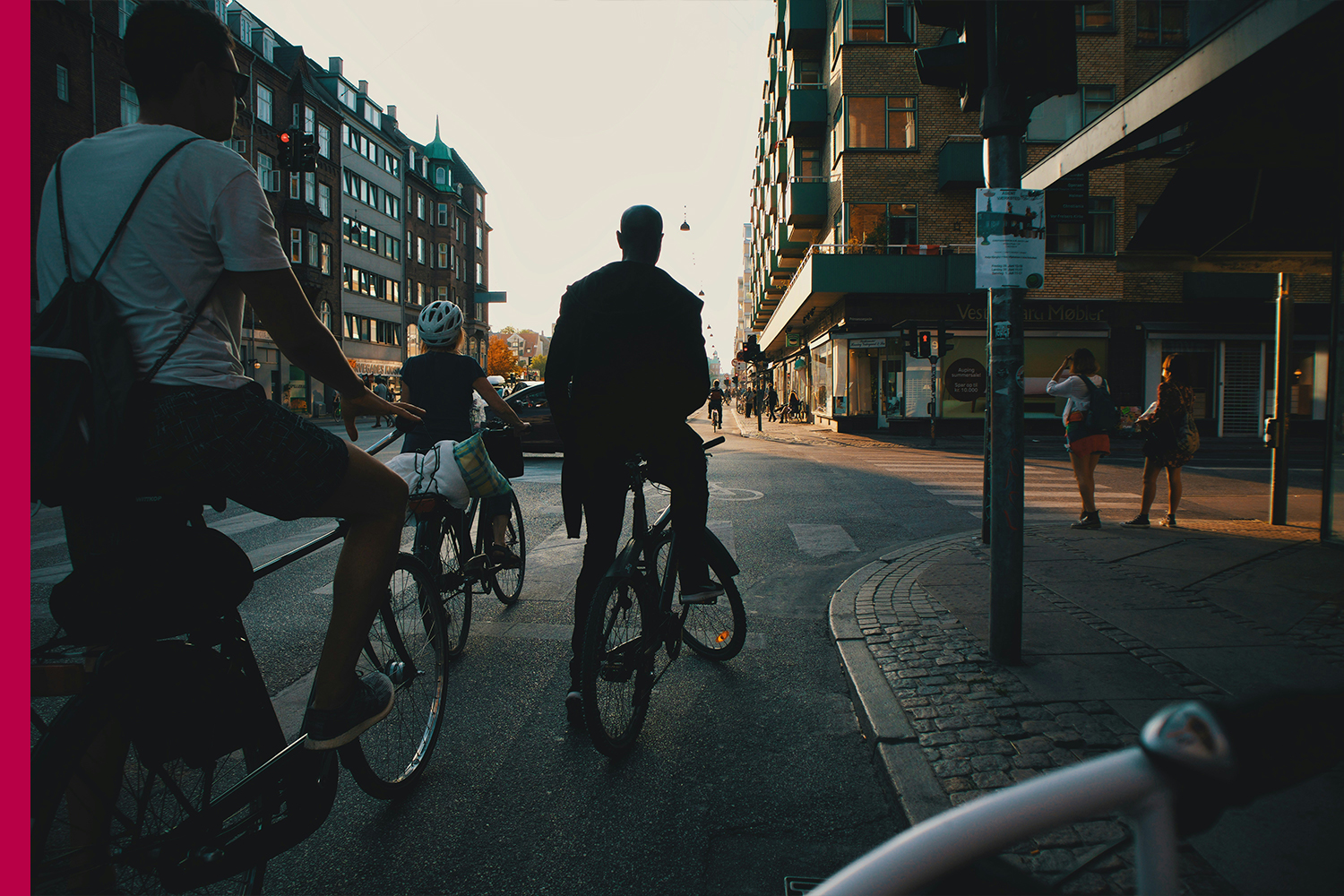




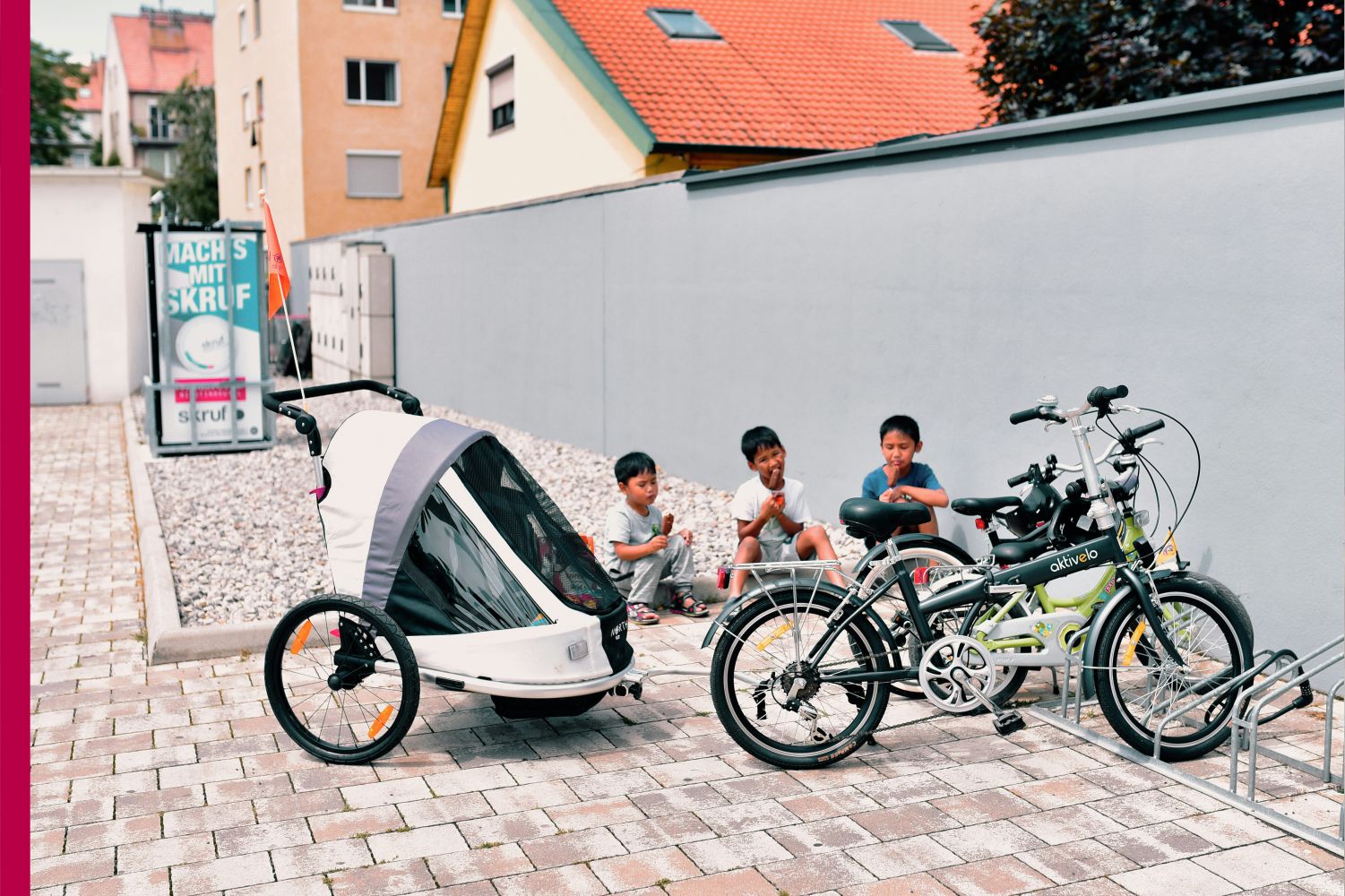
Rapid urbanization and population growth are placing immense pressure on city transportation systems. Traffic congestion, air pollution, limited parking, and inefficient public transport have become common challenges in urban areas worldwide. To address these issues, cities are adopting smart mobility solutions that leverage advanced technologies to create safer, cleaner, and more efficient transportation networks.
Smart mobility refers to the integration of digital technology, data analytics, and innovative transport systems to improve urban movement. It focuses on enhancing connectivity between vehicles, infrastructure, and commuters while reducing environmental impact. By using intelligent systems, cities can optimize traffic flow, minimize travel time, and improve the overall commuting experience.
One of the most important components of smart mobility is intelligent traffic management. Advanced sensors, cameras, and GPS systems collect real-time traffic data, which is analyzed to adjust traffic signals and manage congestion dynamically. This reduces bottlenecks and improves road efficiency. Smart traffic systems can also provide drivers with live updates on road conditions, accidents, and alternative routes, helping them make informed travel decisions.
Public transportation is also being transformed through smart solutions. Digital ticketing systems, mobile apps, and real-time tracking allow commuters to plan their journeys more efficiently. Passengers can check bus or train schedules, receive delay notifications, and make cashless payments directly from their smartphones. This level of convenience encourages more people to use public transport, reducing the number of private vehicles on the road.
Electric vehicles (EVs) are a major driver of smart mobility in cities. Governments and municipalities are investing in EV infrastructure, including charging stations and incentives for electric car adoption. Electric buses and taxis are being introduced to lower carbon emissions and improve air quality. The transition to electric mobility supports sustainable urban development while reducing dependence on fossil fuels.
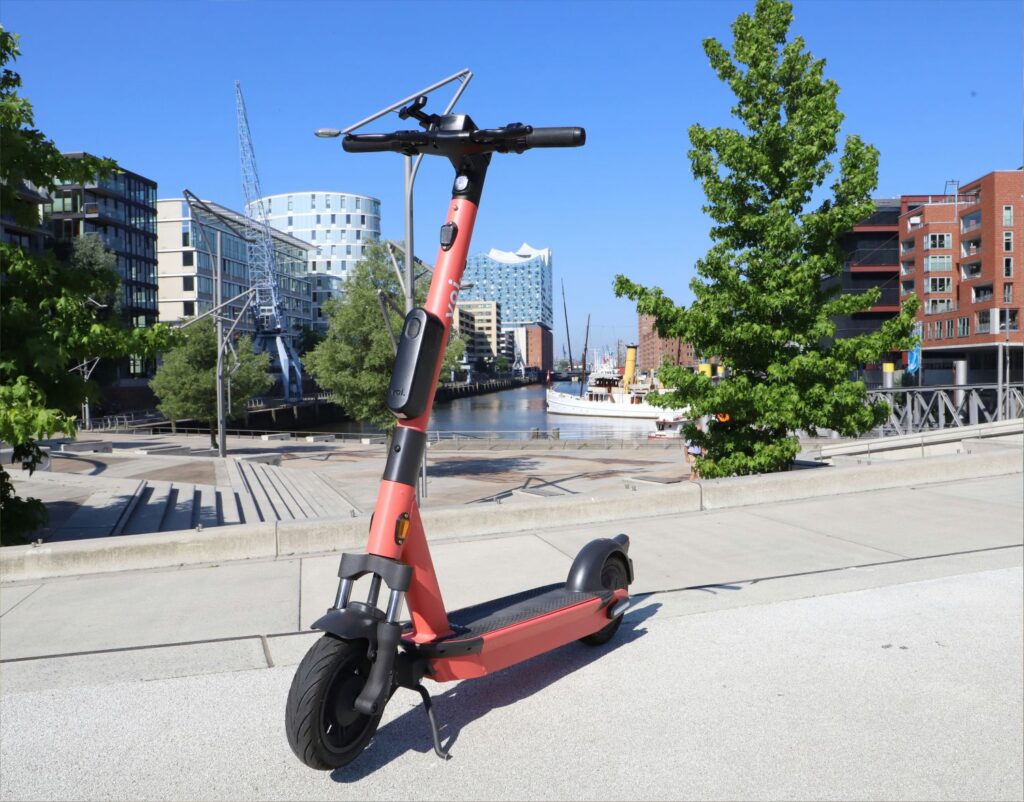
Shared mobility services such as ride-sharing, bike-sharing, and car-sharing platforms are also reshaping urban transportation. These services provide flexible and cost-effective alternatives to car ownership. By promoting shared transportation, cities can reduce traffic congestion and parking demand. Integration of shared mobility apps with public transit systems further enhances accessibility and efficiency.
Autonomous vehicles are another emerging trend in smart mobility. Self-driving cars and buses have the potential to improve road safety by reducing human errors. While still in development and testing phases in many regions, autonomous technology is expected to play a significant role in the future of urban transport.
Data analytics and artificial intelligence are central to smart mobility systems. By analyzing large volumes of transportation data, city planners can identify usage patterns, predict demand, and make better infrastructure decisions. AI-powered systems help optimize routes, manage fleets, and improve operational efficiency.
In conclusion, smart mobility solutions are transforming urban transportation by combining technology, sustainability, and innovation. From intelligent traffic systems to electric vehicles and shared mobility services, these solutions help cities become more efficient and livable. As technology continues to advance, smart mobility will play a crucial role in shaping the future of modern cities.