




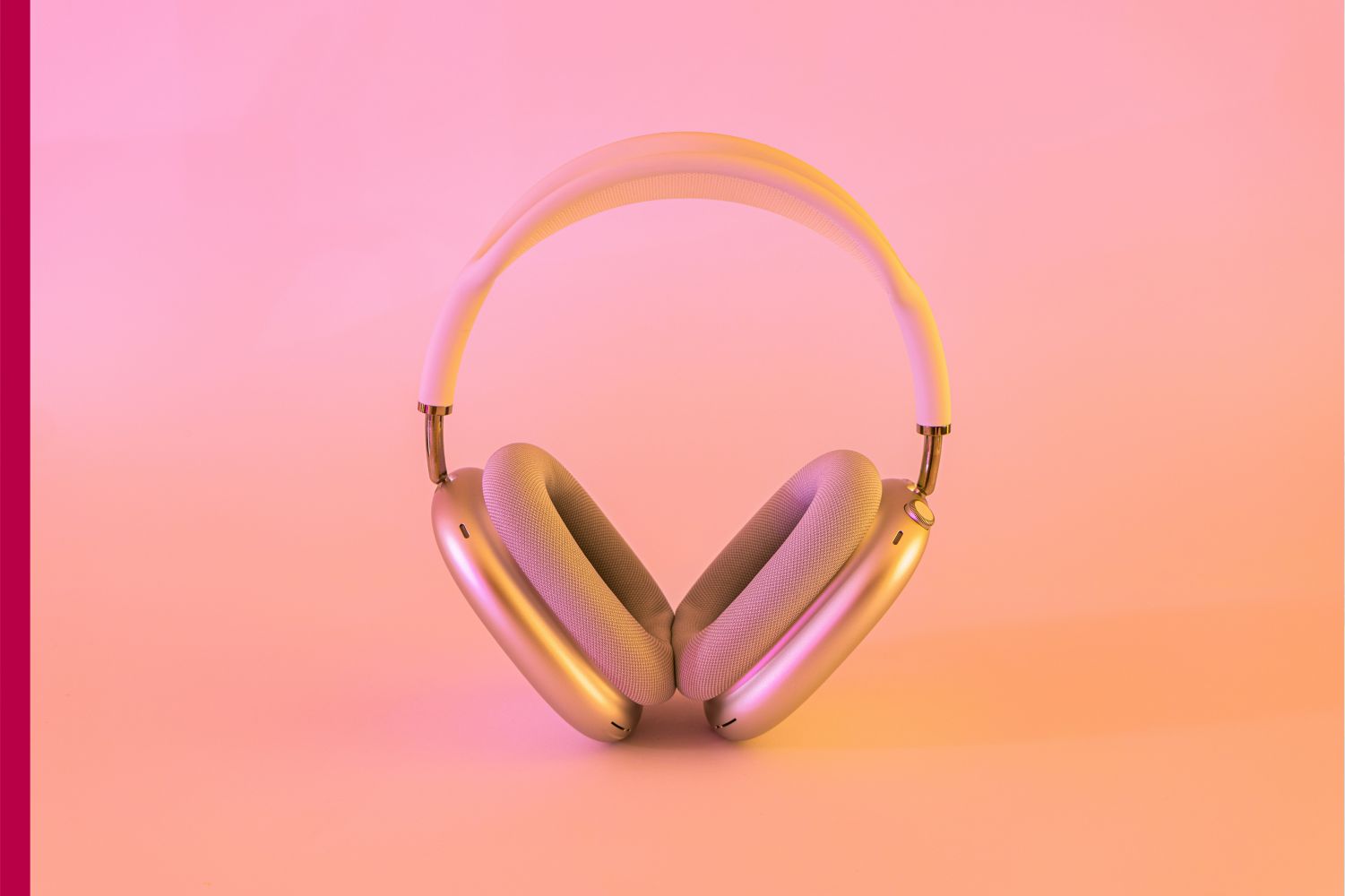
In today’s fast-moving tech world, headphones seem to age much faster than they used to. A pair that felt premium just a few years ago can suddenly feel outdated, even if it still works perfectly. This phenomenon, often referred to as “headphones outdating,” reflects the rapid pace of innovation, changing user expectations, and shifting lifestyle trends that continuously redefine what we consider modern audio gear.
One of the main reasons headphones become outdated is the speed of technological advancement. Features that were once considered cutting-edge such as wired connectivity, basic Bluetooth support, or simple on-ear controls—are now seen as minimal or even inconvenient. Modern consumers expect advanced Bluetooth versions, low-latency performance, multi-device connectivity, and seamless integration with smartphones, laptops, and smart assistants. When older headphones lack these capabilities, they quickly feel behind the times.
Battery technology also plays a crucial role in making headphones seem outdated. Earlier wireless headphones often offered limited battery life and slower charging speeds. Today, users expect long-lasting batteries, fast charging, and even wireless charging cases for earbuds. When a device struggles to last through a workday or commute, it naturally feels obsolete, regardless of its sound quality.
Another major factor is the evolution of sound standards. Audio technologies such as active noise cancellation (ANC), spatial audio, and adaptive sound profiles have raised the bar for listening experiences. Headphones without these features may still deliver clear sound, but once users experience immersive noise cancellation or 3D audio, going back feels like a compromise. As a result, older models lose their appeal even if they remain functional.
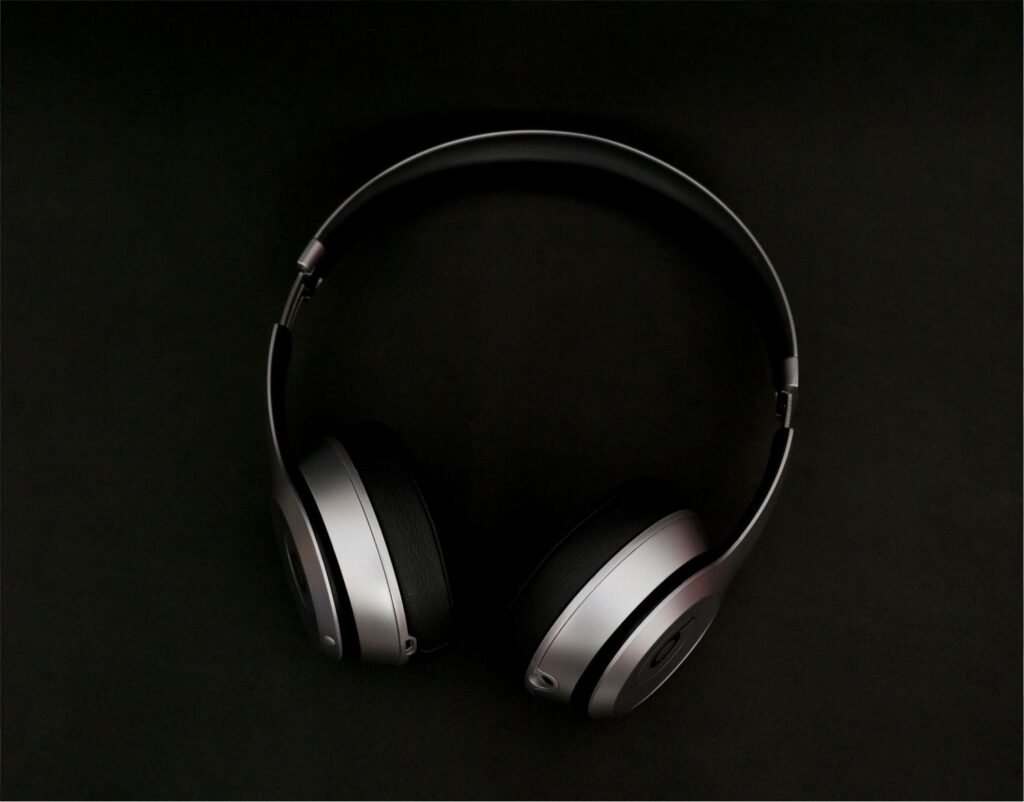
Design trends also influence how quickly headphones appear outdated. Bulky frames, thick cables, or limited color options may clash with today’s preference for sleek, minimalist, and portable designs. True wireless earbuds, for example, have largely replaced wired and even neckband-style headphones, setting a new standard for convenience and aesthetics. When design evolves, older models can feel visually out of sync with current lifestyles.
Planned obsolescence and software dependency further accelerate headphone outdating. Many modern headphones rely on firmware updates and companion apps for optimal performance. When manufacturers stop providing updates or app support, features may degrade or become incompatible with new operating systems. This can push users to upgrade even when the hardware itself is still in good condition.
However, headphone outdating is not always a negative concept. It encourages innovation and gives consumers access to better sound, comfort, and functionality over time. At the same time, it raises important questions about sustainability and electronic waste. Instead of replacing headphones at the first sign of age, users can extend their lifespan through proper care, battery replacement where possible, and thoughtful purchasing decisions.
In conclusion, headphones feel outdated not because they stop working, but because expectations evolve. As technology, design, and lifestyles change, so do our standards for audio devices. Understanding this cycle helps consumers make smarter choices balancing the desire for the latest features with the value of long-lasting, reliable sound.