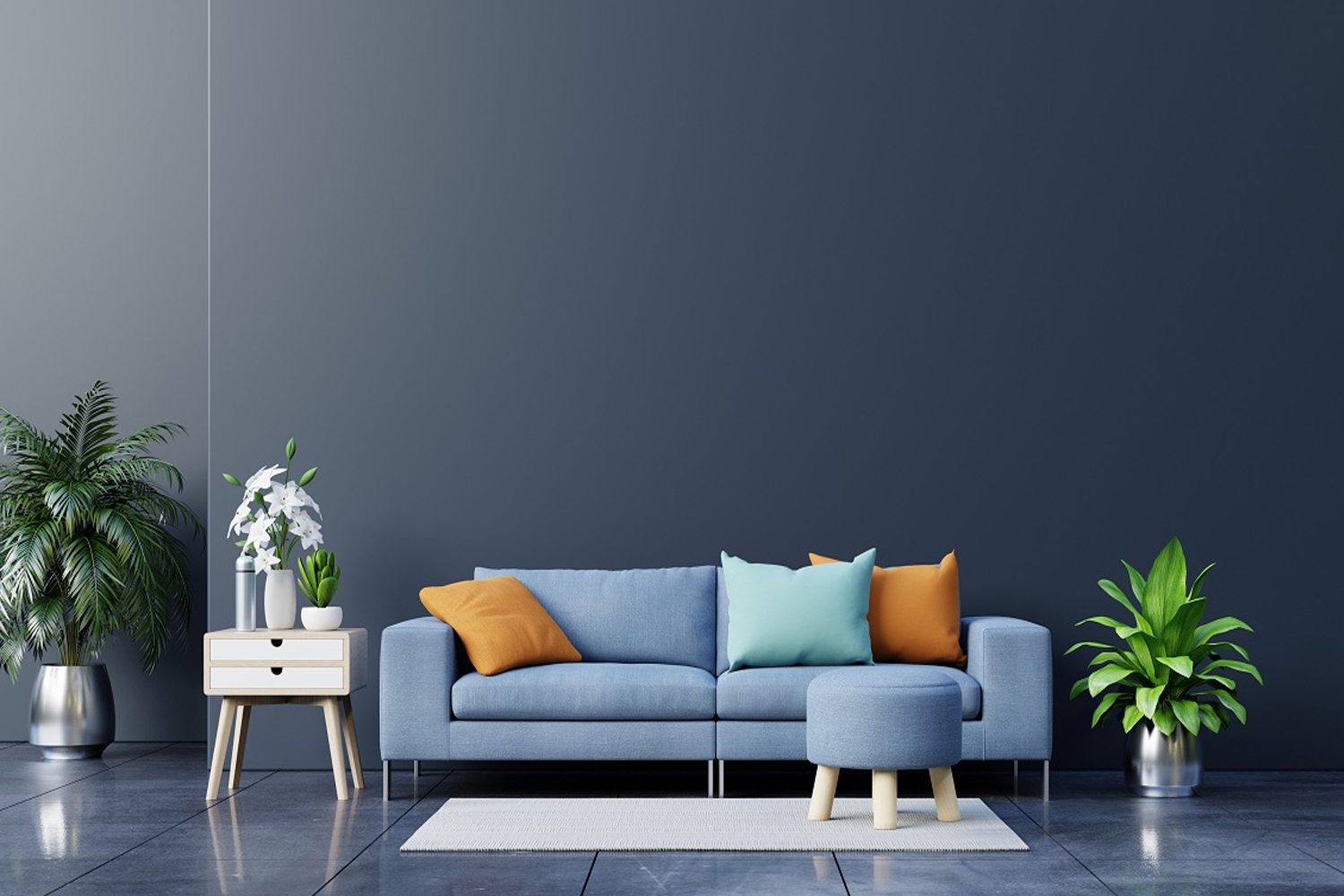




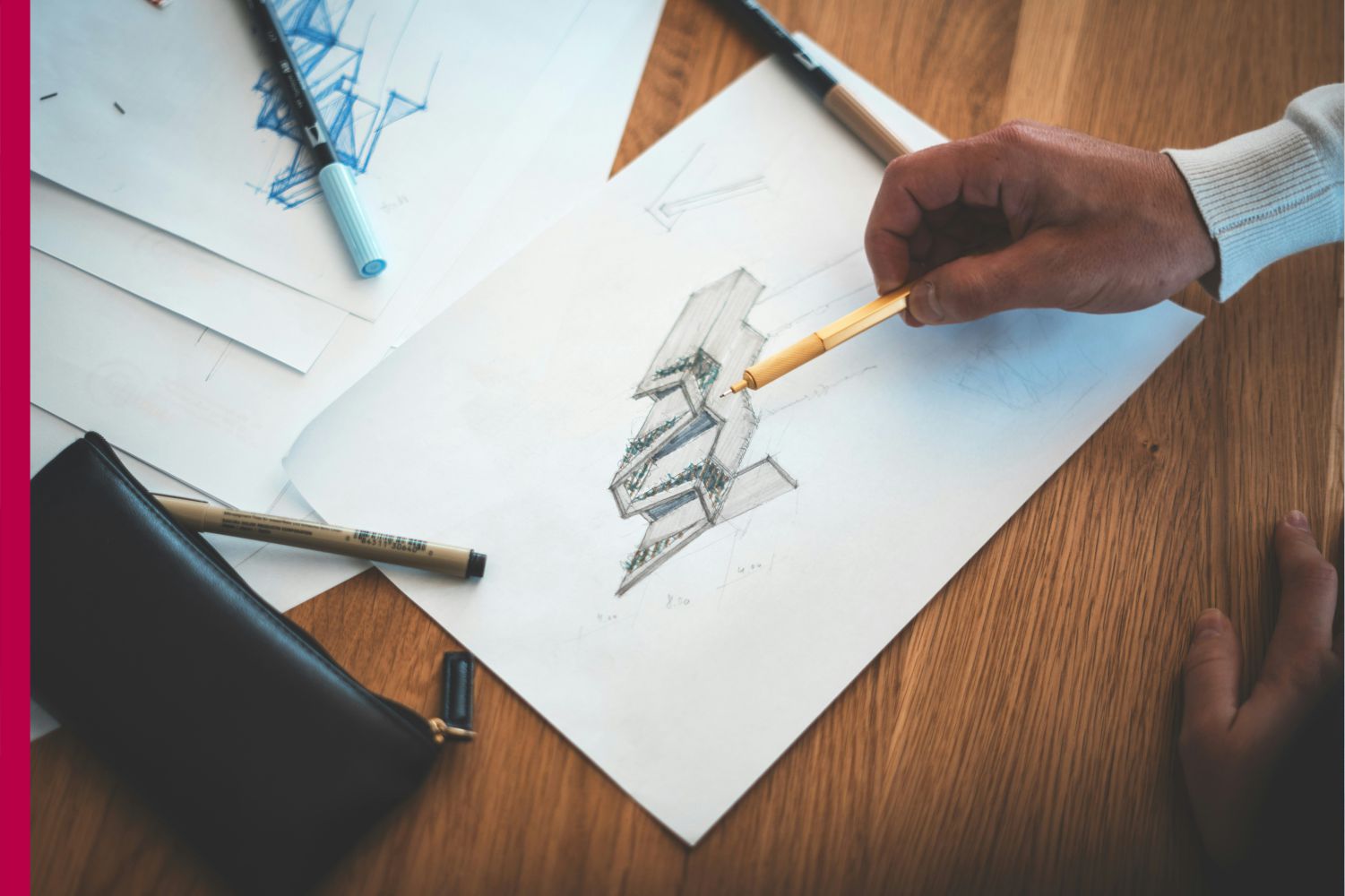
Creative architect design is the art of transforming ideas into functional and inspiring spaces. It goes beyond constructing buildings to shaping environments that influence how people live, work, and interact. By blending aesthetics, innovation, and practicality, creative architectural design reflects cultural values, responds to human needs, and pushes the boundaries of conventional construction.
At the heart of creative architect design is imagination. Architects envision spaces that are not only structurally sound but also visually compelling. They experiment with forms, textures, light, and materials to create unique identities for buildings. Creative design allows architecture to become expressive, turning structures into landmarks that tell stories and evoke emotions. Each project becomes a balance between artistic vision and technical expertise.
Functionality plays a crucial role in architectural creativity. A beautifully designed building must also serve its purpose efficiently. Creative architects carefully plan layouts, circulation, and spatial flow to enhance comfort and usability. Residential designs focus on warmth and livability, while commercial and public buildings emphasize efficiency, accessibility, and interaction. When creativity and function work together, architecture becomes meaningful and user-centered.
Modern creative architecture is strongly influenced by sustainability and environmental awareness. Architects now explore eco-friendly materials, energy-efficient designs, and passive cooling techniques to reduce environmental impact. Green roofs, natural ventilation, solar integration, and adaptive reuse of structures demonstrate how creativity can support sustainability. Designing in harmony with nature has become a defining feature of contemporary architectural innovation.

Technology has significantly expanded the possibilities of creative architectural design. Digital tools, 3D modeling, and building information systems allow architects to visualize complex forms and test ideas before construction. Parametric design and advanced simulations enable the creation of fluid shapes and efficient structures that were once impossible to build. Technology enhances creativity by providing precision, flexibility, and experimentation.
Cultural context also plays a vital role in creative architecture. Architects draw inspiration from local traditions, history, and climate to create designs that reflect a sense of place. By blending modern techniques with traditional elements, architects preserve cultural identity while embracing progress. This approach results in architecture that feels both innovative and rooted.
Creative architect design also considers emotional and psychological impact. Spaces influence mood, productivity, and well-being. Thoughtful use of natural light, open areas, and materials can create calming, inspiring, or energizing environments. Creative architecture enhances quality of life by designing spaces that connect people with their surroundings.
In conclusion, creative architect design is a powerful fusion of art, science, and human experience. It transforms buildings into meaningful spaces that inspire, function efficiently, and respect the environment. As societies evolve, creative architects continue to redefine how spaces are imagined and built, shaping the future of cities and communities through thoughtful and innovative design.