


Noise pollution is one of the most overlooked forms of environmental pollution, yet its impact on human health and well-being is significant. Unlike air or water pollution, noise pollution is invisible, making it easy to ignore until its effects become serious. It refers to excessive or unwanted sound that disrupts normal activities, causes discomfort, and negatively affects physical and mental health.
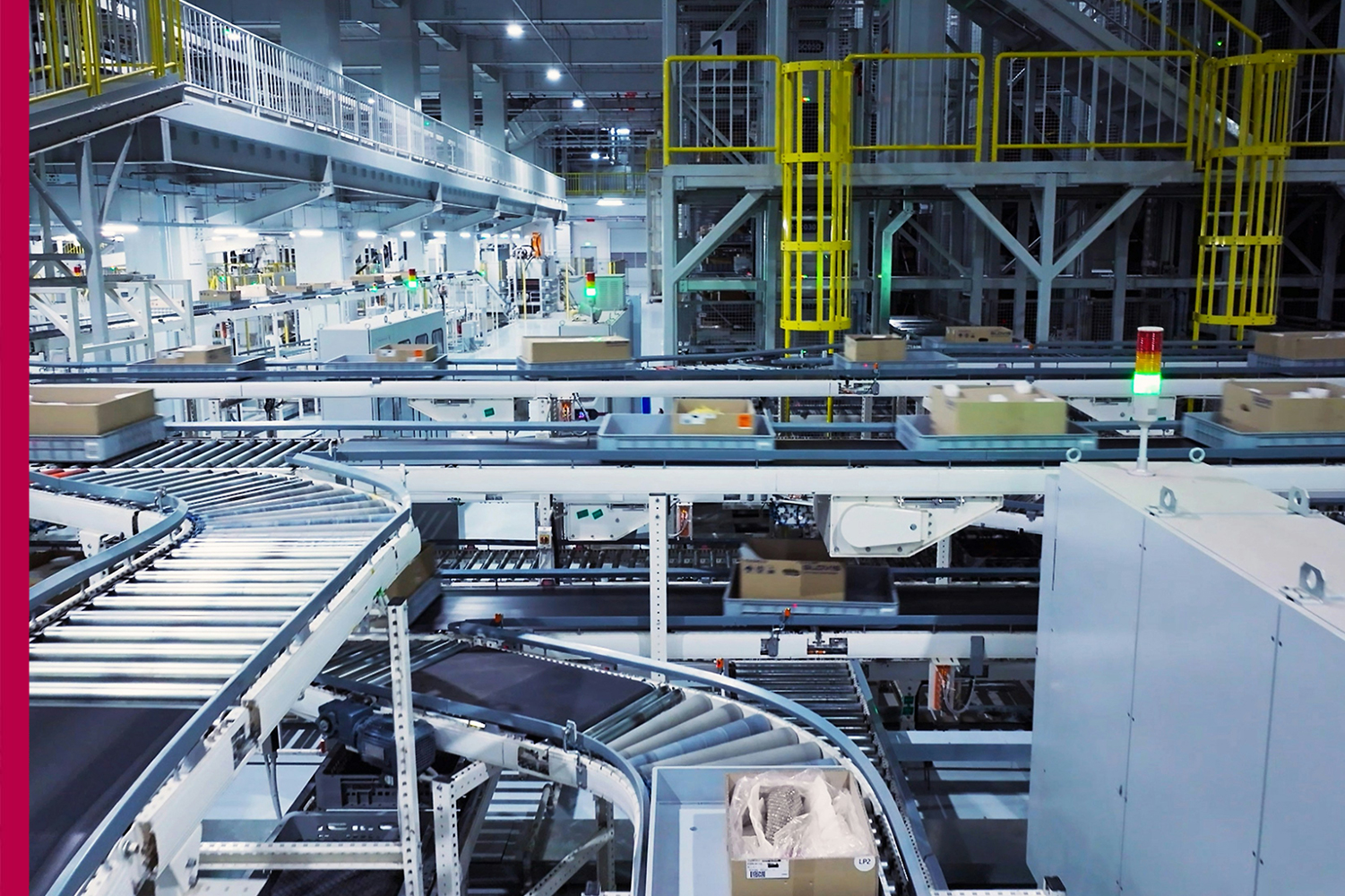
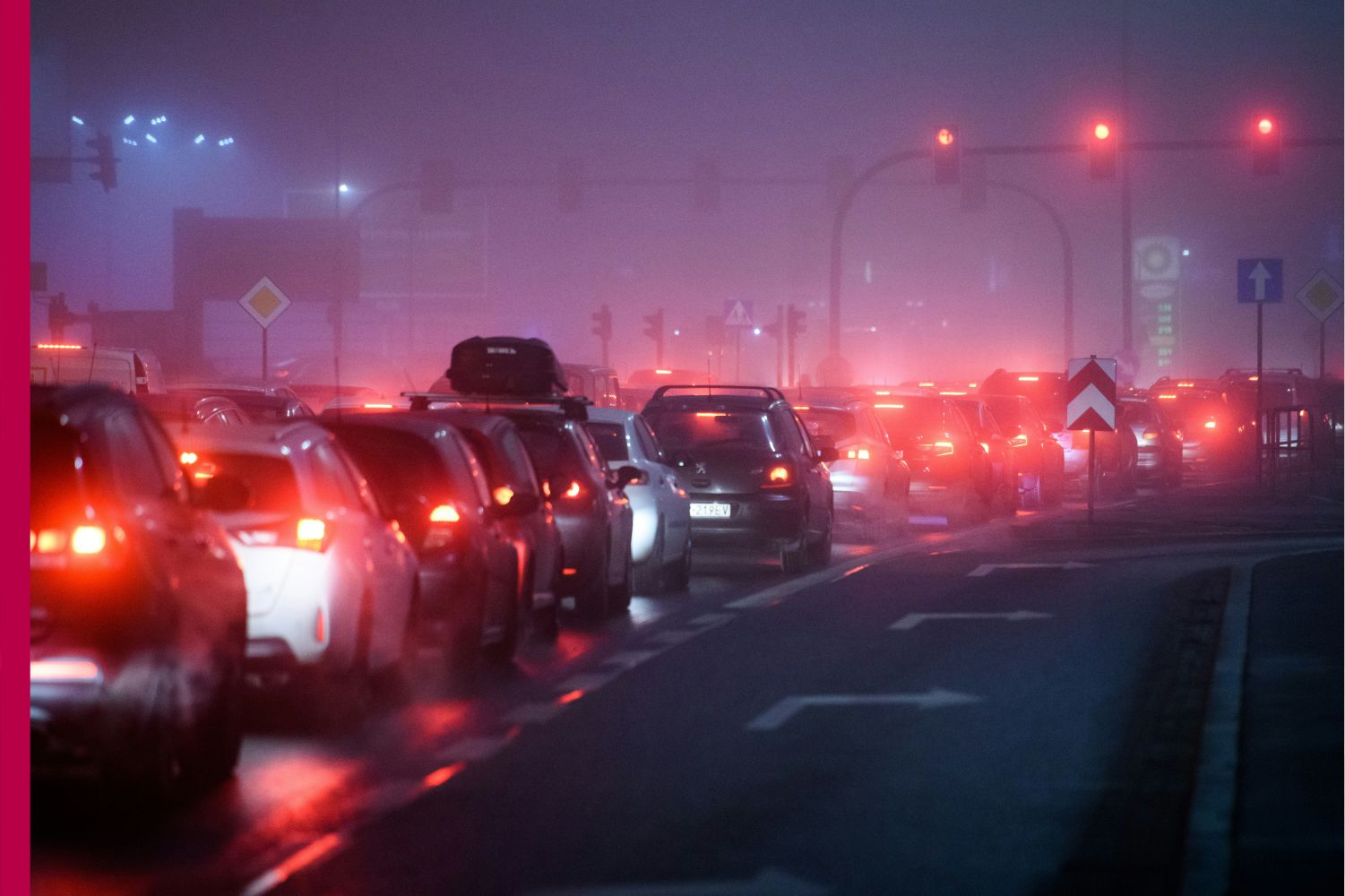
Urbanization and modern lifestyles are major contributors to noise pollution. Traffic noise from cars, buses, trains, and airplanes is one of the most common sources. Construction activities, industrial operations, and loud machinery add to the constant background noise in cities. In residential areas, loud music, television, household appliances, and neighborhood disturbances further increase noise levels. As cities grow and populations rise, exposure to high noise levels has become a daily reality for millions of people.
The effects of noise pollution on human health are wide-ranging. Continuous exposure to loud sounds can lead to hearing loss, especially when people are exposed over long periods without protection. Beyond hearing damage, noise pollution can cause stress, sleep disturbances, headaches, and fatigue. Lack of quality sleep due to constant noise affects concentration, productivity, and overall mental health. Over time, chronic noise exposure has been linked to increased risk of heart disease, high blood pressure, and anxiety disorders.
Noise pollution also impacts children’s development and learning abilities. Studies show that children exposed to high noise levels may experience difficulty in reading, memory, and attention. Schools located near busy roads, airports, or industrial zones often face challenges in maintaining a quiet learning environment, which can affect academic performance and emotional well-being.

Wildlife and ecosystems are equally affected by noise pollution. Animals rely on sound for communication, navigation, and detecting danger. Excessive noise disrupts these natural behaviors, leading to stress, habitat displacement, and reduced survival rates. Marine life is particularly vulnerable, as underwater noise from ships and industrial activities interferes with communication among whales and dolphins.
Managing noise pollution requires awareness and collective responsibility. Governments play an important role by enforcing noise regulations, setting permissible sound limits, and promoting urban planning that reduces noise exposure. Sound barriers, better road designs, and green spaces can help absorb and reduce noise levels in cities. Industries can adopt quieter machinery and soundproofing measures to minimize their impact.
Individuals can also contribute to reducing noise pollution. Simple actions such as lowering music volume, avoiding unnecessary honking, maintaining vehicles properly, and using noise-reducing appliances make a difference. In homes, soundproofing techniques like curtains, carpets, and insulated windows can create quieter living spaces.
In conclusion, noise pollution is a serious environmental issue that affects health, productivity, and quality of life. Though often ignored, its consequences are long-lasting and harmful. By increasing awareness and adopting responsible practices at individual, community, and governmental levels, we can reduce noise pollution and create a more peaceful and healthier environment for everyone.