


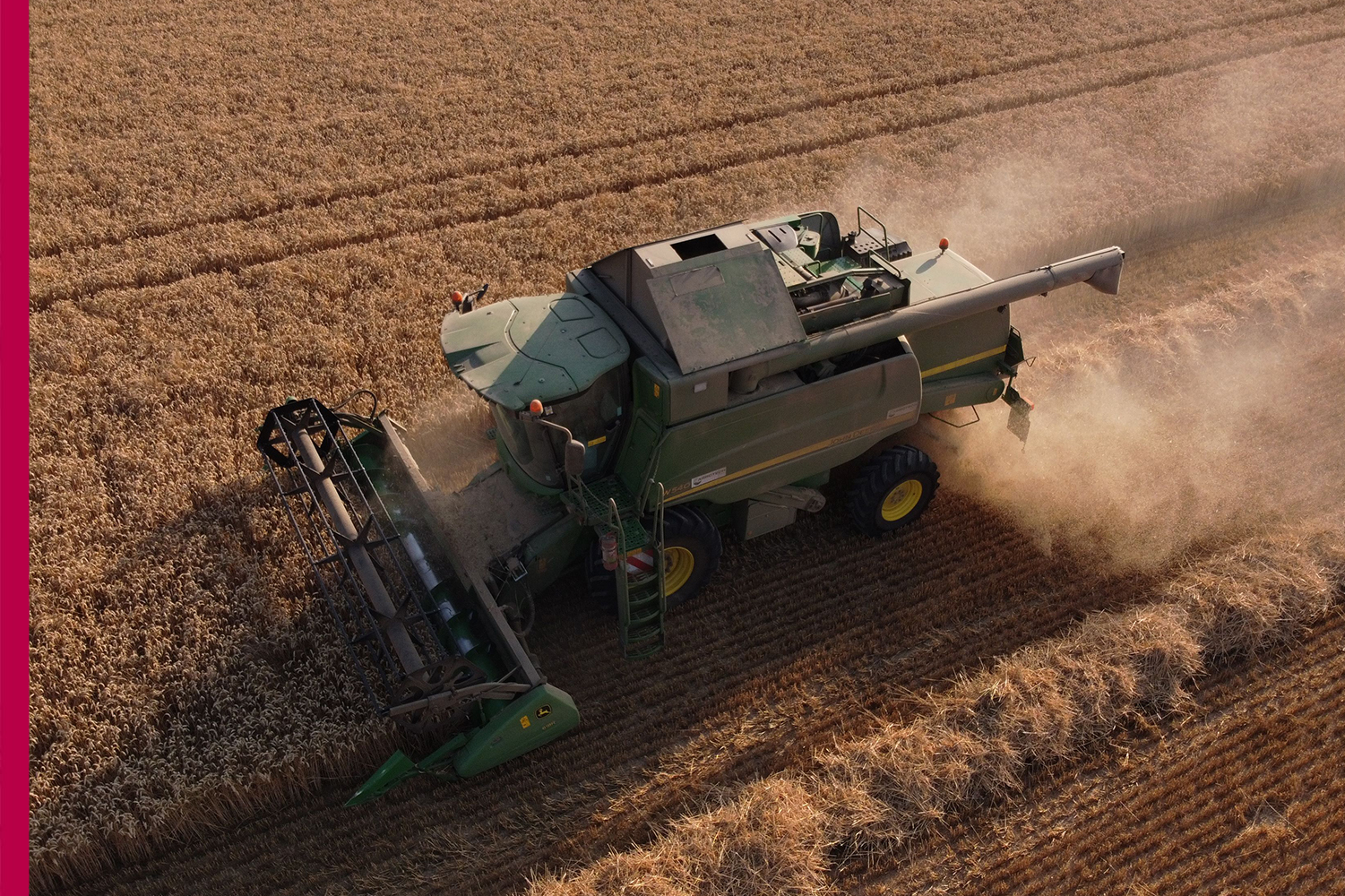
Agriculture is entering a period in which the next breakthrough may come from a laboratory, a satellite network or an autonomous machine rather than from a traditional farming technique.
Around the world, agricultural technology is moving beyond experimental projects and becoming part of a wider effort to improve crop performance, reduce waste and help farmers respond to climate pressure. Gene editing, artificial intelligence, precision machinery and biological crop protection are changing the possibilities available to the global food industry.
A notable development arrived on November 25, 2026, when the UK’s Department for Environment, Food and Rural Affairs confirmed that a larger-grain, gene-edited bread wheat developed by the John Innes Centre qualifies as precision-bred rather than genetically modified under England’s relevant framework. The confirmation allows seeds to be supplied for large-scale on-farm trials, with harvested grain able to be handled rather than automatically destroyed under the older GMO approach.
The decision is important because it moves a research development closer to practical agricultural evaluation. It also demonstrates how regulation can influence the speed at which new crop technologies reach farmers.
Gene editing moves from laboratory to field
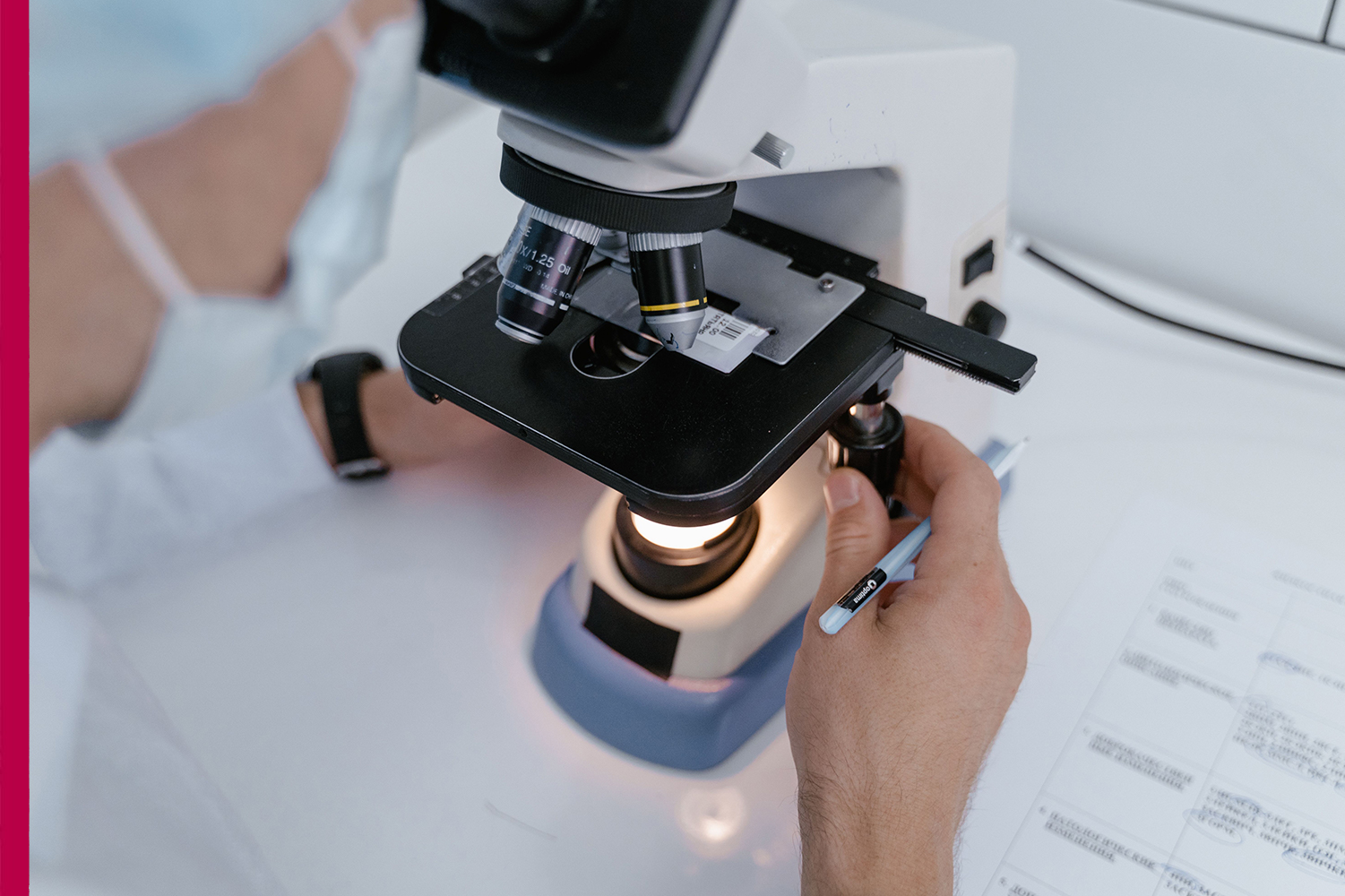
Gene editing allows researchers to make targeted changes to an organism’s genetic material. In crop development, the technology can be used to investigate traits such as grain size, disease resistance, nutritional quality and tolerance to environmental stress.
The larger-grain wheat development illustrates the potential of this approach. If field trials confirm that the crop performs reliably, researchers and farmers will be able to assess whether the trait offers meaningful benefits under real growing conditions.
But laboratory success is only the first stage. A crop must perform across different soils, climates and farming systems. It must also be evaluated for yield stability, quality, safety and economic value.
Regulatory classification is another critical factor. Different countries have adopted different approaches to gene-edited crops, creating a complex international environment for research organisations and agricultural businesses. A product accepted under one country’s rules may face additional assessment requirements elsewhere.
This creates both opportunity and uncertainty. Companies that understand science, regulation and international markets will be better positioned to commercialise agricultural innovations.
AI is becoming an agricultural decision-making tool
Artificial intelligence is increasingly being used to interpret the enormous amounts of information generated by modern farming.
Satellite imagery can reveal changes in crop health. Sensors can monitor soil moisture and environmental conditions. Weather models can help estimate planting risks, while machine-learning systems can identify patterns that may be difficult to detect through conventional observation.
Yet the next challenge is not simply collecting more data. It is converting information into decisions that farmers can trust.
A recent example is the emergence of AI tools designed to support agricultural sales representatives and advisers. French start-up Caspario is developing a platform intended to help agricultural distributors communicate product information and recommendations more effectively to farmers.
This addresses an important reality: agricultural technology adoption is influenced by relationships. Farmers often rely on advisers, distributors and local experts when making decisions about seeds, crop protection and machinery. Digital tools may improve the quality and speed of that advice, but they must fit into the practical realities of farm operations.
Robotics and precision machinery are changing field operations
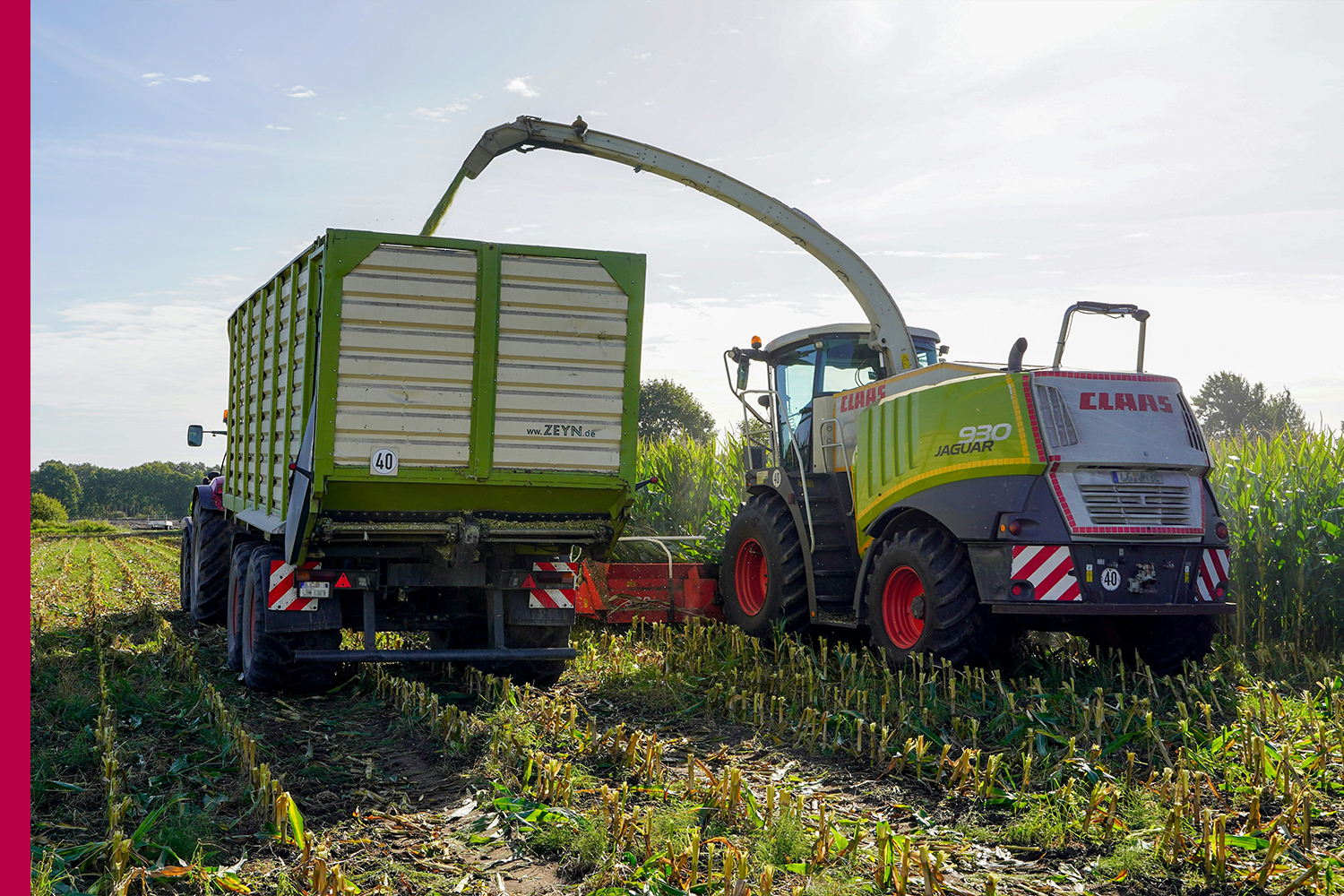
Agricultural machinery is also becoming more intelligent. Camera-based navigation, radar, LiDAR and satellite positioning can help machines operate with greater precision.
One example highlighted in recent industry reporting is Hexagon’s work on vision-based steering for vineyards. Permanent crops such as vineyards present specific navigation challenges because rows, terrain and vegetation can affect the reliability of conventional satellite guidance.
Combining cameras with other sensing technologies can help machines understand their surroundings and maintain accurate movement. This can improve operational consistency and support more advanced automation.
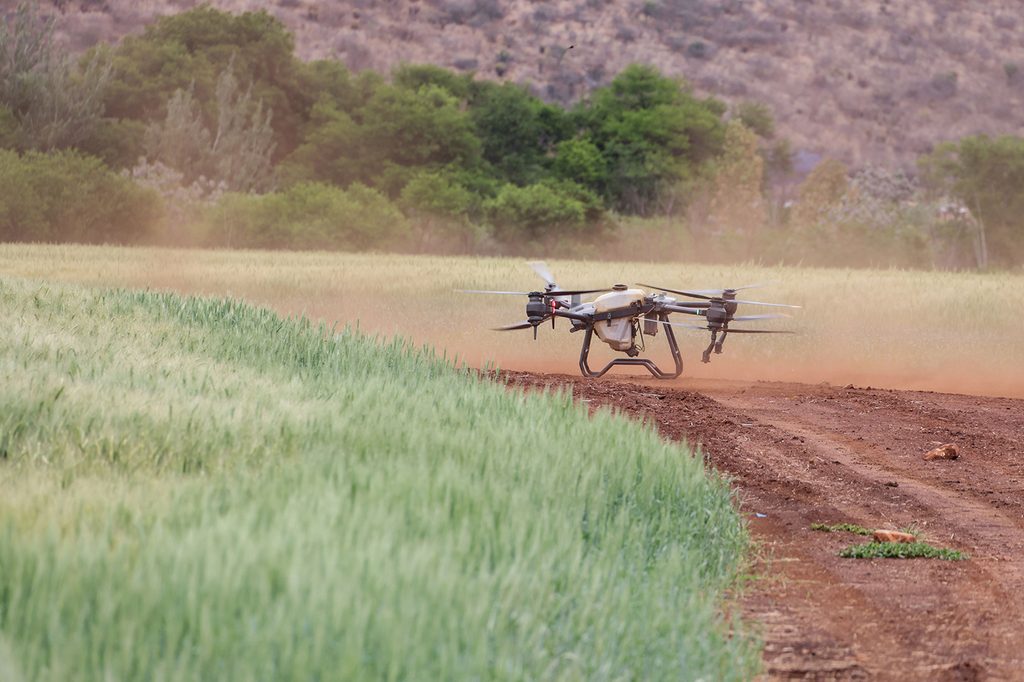
Robotics may also help address labour shortages and repetitive tasks. Autonomous systems can potentially assist with spraying, monitoring, harvesting and other field operations. Their value will depend on reliability, affordability, maintenance and the ability to operate in different agricultural environments.
For smaller farms, the cost of sophisticated equipment remains a barrier. Shared machinery services, leasing models and technology partnerships could help widen access.
Biological innovation is expanding the agricultural toolbox
AgriTech is not limited to software and machinery. Biological crop protection and gene-based research are becoming important parts of the innovation landscape.
A weekly global crop biotechnology update published on November 25 highlighted progress in gene-drive research and potential future field trials. Gene-drive systems are designed to influence how genetic traits spread through populations. Their possible applications are being studied in areas such as pest management, but they also raise significant ecological, ethical and governance questions.
Meanwhile, developments in microbial crop protection and biological inputs are expanding the range of alternatives available to agricultural producers. These technologies may help reduce dependence on some conventional chemical approaches, although their effectiveness and commercial viability must be demonstrated in real conditions.
The commercial challenge is adoption
The agricultural technology sector has attracted attention because it promises to address several urgent problems at once: climate change, productivity, labour availability, food security and environmental sustainability.
However, farmers do not adopt technology simply because it is innovative. They need evidence that it improves results, reduces costs or protects income.
A technology that works in a controlled trial may not perform equally well across different regions. Digital systems must also be easy to use, compatible with existing equipment and supported by reliable services.
This means successful AgriTech businesses will need more than impressive technology. They will need strong relationships with farmers, accessible pricing and practical implementation models.
The next generation of farming will be hybrid
The future of agriculture is unlikely to be entirely automated or fully digital. It will combine scientific research, local knowledge, machinery, biological solutions and data-driven decisions.
Gene-edited crops may help improve plant traits. AI may make agricultural information more useful. Robotics may reduce repetitive work, while biological innovations may provide new approaches to crop protection.
The most successful innovations will be those that work together rather than operate as isolated products.
The movement of gene-edited wheat towards large-scale trials is a reminder that agricultural innovation is progressing through measurable stages. The next agricultural revolution will not be defined by technology alone, but by whether that technology can improve the livelihoods of farmers while making the global food system more resilient.