





Agriculture is facing a challenge that extends far beyond the farm. Climate volatility, transport costs, conflict and changing weather patterns are placing pressure on the systems that produce and distribute food. As the world approaches another period of elevated climate risk, the resilience of global agriculture is becoming an economic and humanitarian priority.
A November 2026 update from the World Bank highlights the fragile condition of global food and nutrition security. Although some agricultural commodity prices eased during the latest reporting period, food prices remain above their levels a year earlier. The institution projects food prices to rise by 10.3 per cent in 2026 and a further 7.2 per cent in 2027.
The report points to a combination of high costs, climate risks and logistical constraints. It also warns that a very strong El Niño expected to persist into early 2027 could intensify weather-related threats to agricultural production in several regions.
These developments show why food security can no longer be understood simply as a question of how much food the world produces. It is also about where crops can grow, whether farmers can afford inputs, how quickly food can reach markets and whether vulnerable communities can access it.
El Niño raises the stakes for global harvests
El Niño is a natural climate phenomenon associated with changes in ocean temperatures and atmospheric circulation. Its effects differ across regions, but it can significantly alter rainfall patterns, temperatures and agricultural conditions.
The Food and Agriculture Organization highlighted these risks at COP31, held in Antalya, Türkiye, from November 9 to 20, 2026. The organisation warned that the current El Niño cycle is arriving in an already hotter world and could intensify droughts, extreme heat and flooding.
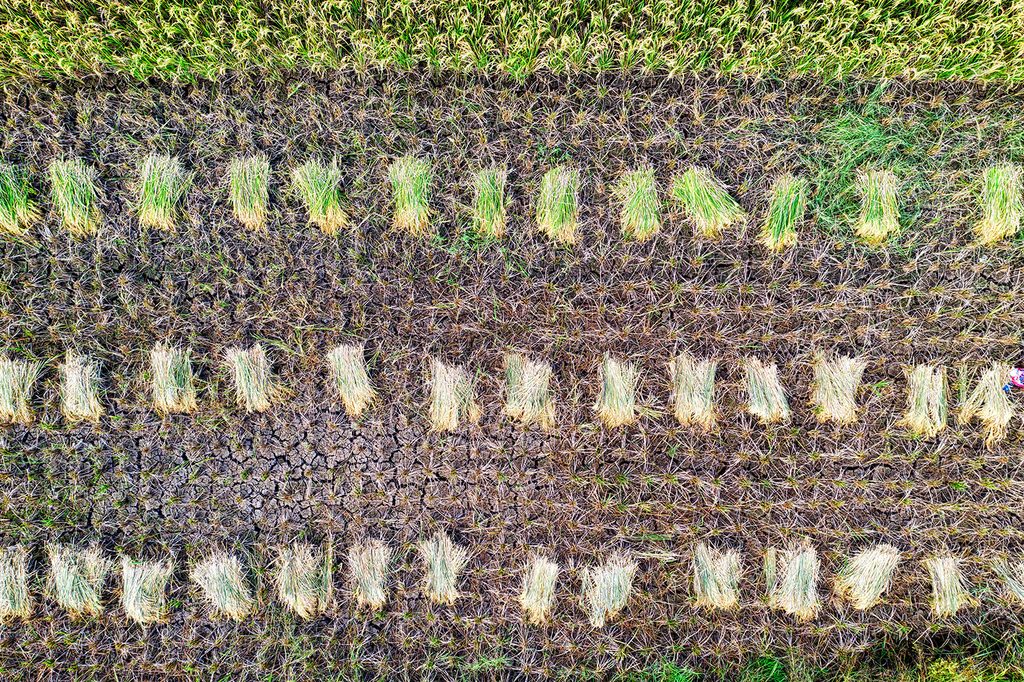
FAO analysis based on 41 years of satellite observations identified major agricultural drought risks in Southern Africa, the Sahel, Central America’s Dry Corridor and parts of South and Southeast Asia. The organisation said the probability of agricultural drought exceeds 50 per cent in the identified high-risk areas.
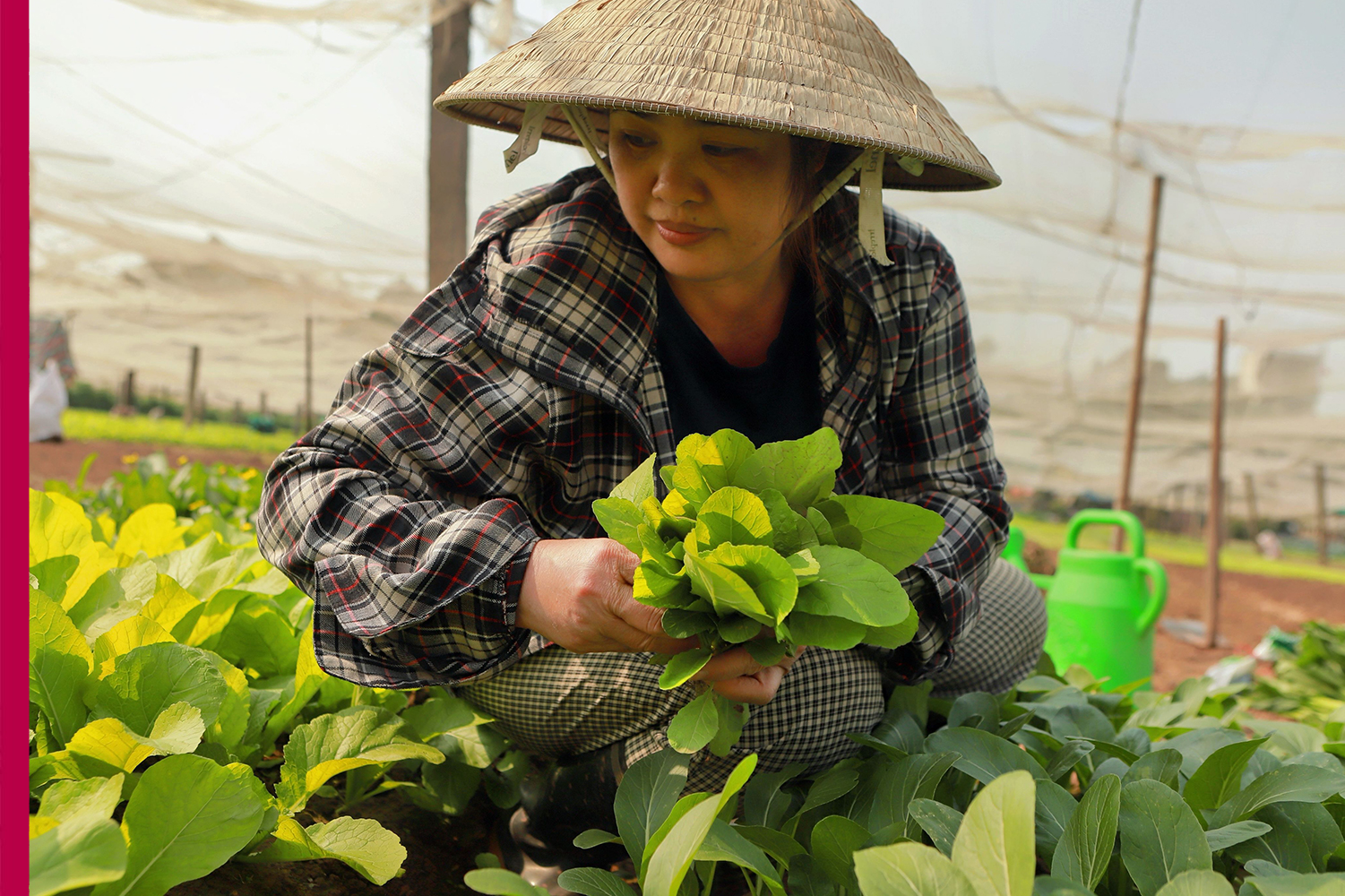
For farmers, the consequences can be immediate. Delayed rainfall can disrupt planting schedules, heat can reduce crop development and water shortages can limit irrigation. In some locations, excessive rainfall can damage fields, destroy infrastructure and prevent crops from being harvested or transported.
The effects can also continue long after a weather event has ended. A poor harvest may reduce household income, increase local food prices and leave farmers with fewer resources to invest in the next growing season.
Food prices tell only part of the story
The World Bank’s November update offers an important distinction between short-term price movements and longer-term food security.
During the latest reporting period, its agricultural, cereal and export price indices declined compared with October. However, prices for several major crops remained higher than a year earlier. Maize, wheat and rice prices were still above their January 2020 levels.
This matters because lower international commodity prices do not automatically translate into affordable food for households. Transport expenses, currency movements, energy prices, storage costs and local market conditions can all influence the final price consumers pay.
Food insecurity is also concentrated in places where conflict and extreme weather overlap. The World Bank identifies serious conditions in Somalia, South Sudan and Sudan, while warning of acute food insecurity in Yemen.
The global food system therefore faces two connected challenges: protecting agricultural production from climate shocks and ensuring that food remains accessible to people who need it most.
Why climate finance for agriculture matters
At COP31, FAO called for increased funding for agrifood systems as weather extremes intensify. The organisation argued that climate finance for agriculture is declining even as the sector faces greater exposure to climate-related risks.
This is a significant concern because agriculture is both vulnerable to climate change and central to climate solutions. Better soil management, efficient irrigation, improved crop varieties, agroforestry and reduced food loss can help strengthen resilience.
Yet many farmers cannot adopt these approaches without access to finance, technical support and reliable infrastructure. Small producers may struggle to invest in water-saving equipment or improved storage when their income is already uncertain.
Climate finance can support early-warning systems, climate-resilient seeds, irrigation projects, rural roads and better agricultural information services. It can also help countries prepare for extreme events before they become humanitarian emergencies.
The challenge is to move beyond announcements and ensure that funding reaches the farmers, communities and institutions that can put it to practical use.
Technology and data are becoming essential agricultural tools
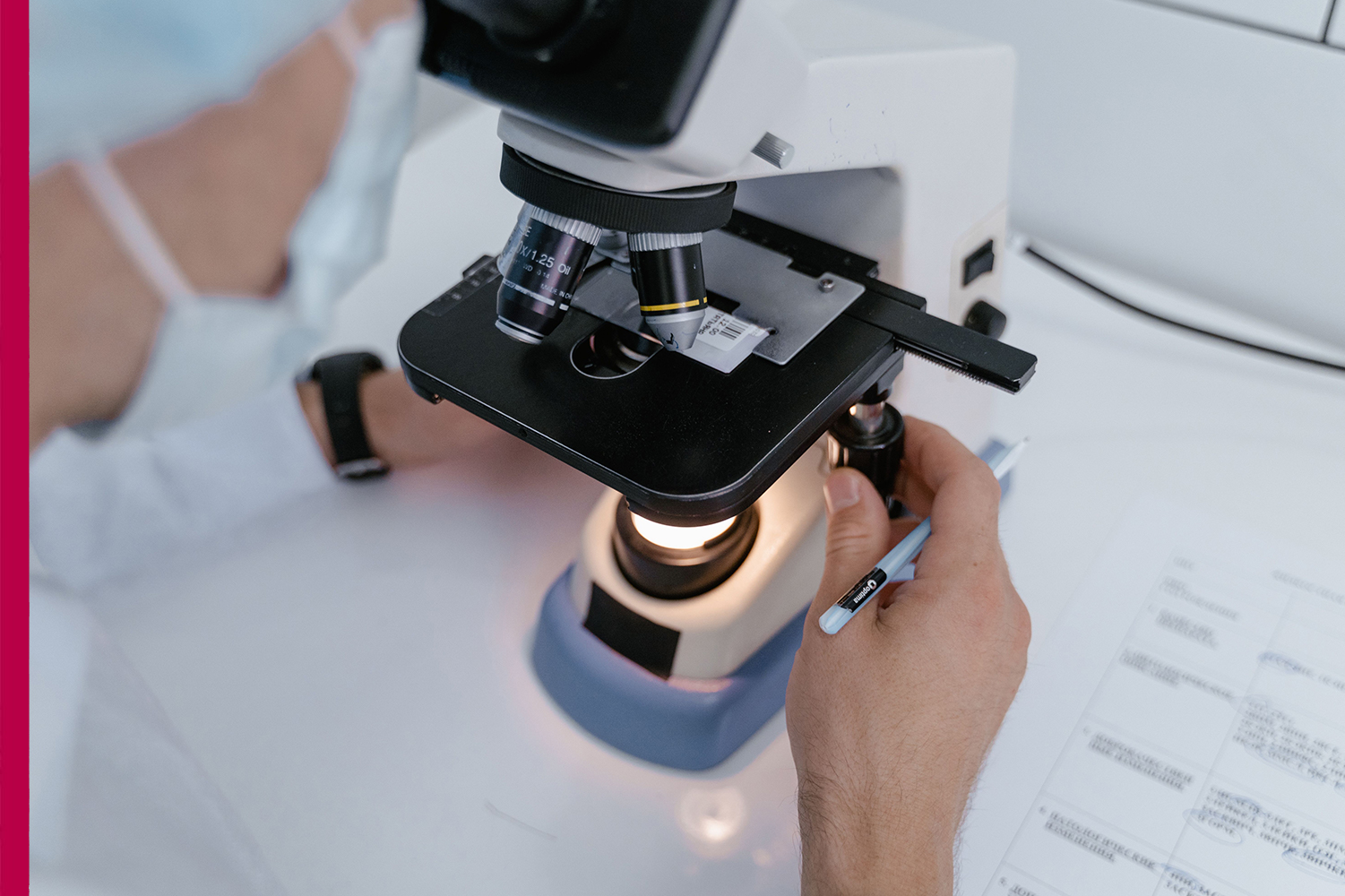
Satellite monitoring, weather forecasting, soil sensors and digital farm-management systems are changing how agricultural risks are identified. Farmers and governments can increasingly use data to monitor crop conditions, anticipate drought and assess the likely impact of weather patterns.
However, technology cannot eliminate climate risk. A satellite may identify a developing drought, but farmers still need access to water, finance, suitable seeds and markets. Digital tools are most effective when they are connected to practical support.
Investment in agricultural research is equally important. Crop breeding, biological crop protection and improved water management can help farmers adapt to changing environmental conditions. The development of resilient varieties must also consider local ecosystems, farmer needs and long-term sustainability.
The future of food is a question of resilience
The global food system is interconnected. A drought in one region can influence commodity markets, while disruptions to shipping and energy can raise the cost of food thousands of kilometres away.
That interconnectedness makes agricultural resilience a shared international responsibility. Governments, businesses, research institutions and financial organisations must work together to strengthen production and distribution systems.
The coming harvest seasons will provide a major test of preparedness. Early warnings, climate finance, better infrastructure and accessible agricultural technology could help reduce the impact of severe weather.
Food security will ultimately depend not only on the ability to produce more, but on the ability to produce reliably under increasingly unpredictable conditions.
In a world facing climate uncertainty, the most important agricultural innovation may be resilience itself.