








Artificial intelligence has become one of the most strategically important industries in the world. But the competition is no longer determined only by who can build the most capable model. Access to advanced chips, computing infrastructure, training data and international markets is becoming just as important.
Developments reported on November 26, 2026, show how quickly this competition is changing. New United States restrictions on access to advanced computing services and stronger safeguards against AI-model distillation are reportedly threatening to delay the next generation of models from leading Chinese developers.
The potential impact is significant. Z.AI’s planned GLM-5.5 model, described as a very large system with approximately three trillion parameters, is reportedly behind schedule. Moonshot AI may also face a longer development cycle for its Kimi series if access to overseas computing resources becomes more difficult.
The situation demonstrates that the AI race is increasingly connected to international trade, semiconductor policy and national security.
Computing power has become a strategic resource
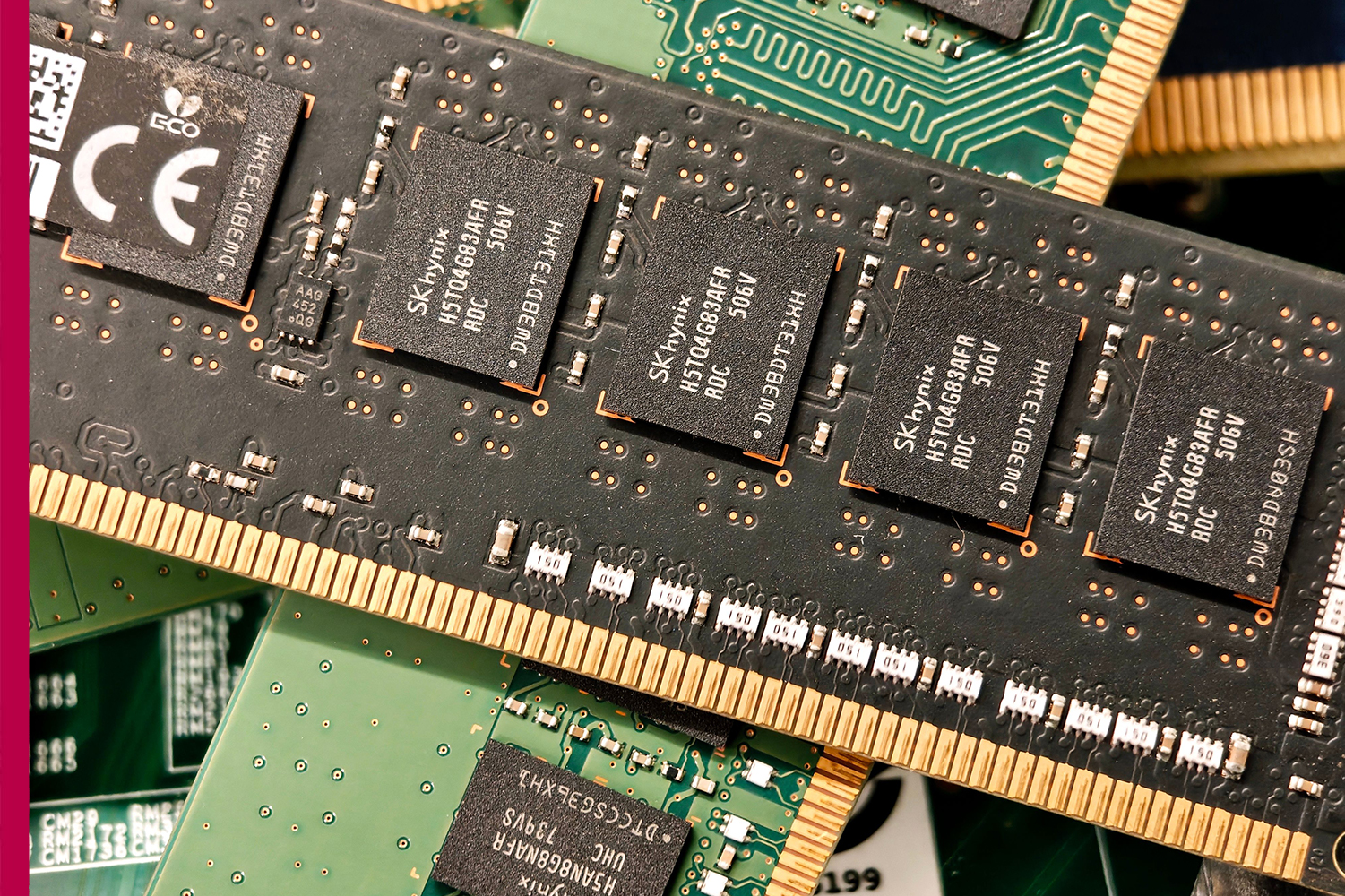
Modern AI models require enormous computing resources. Training advanced systems involves processing vast datasets through specialised chips, often operating in large data centres.
The availability of these chips can influence how quickly a company develops a model, how frequently it can release updates and how much it spends on research and operations.
This has made advanced semiconductors a central issue in international technology policy. Governments increasingly view access to high-performance computing as a strategic advantage, particularly because AI can influence economic productivity, scientific research, cybersecurity and defence.
The latest US measures reportedly require licences for certain large-scale computing services using advanced American chips at overseas data centres. They also cover specified chip shipments to some countries in Southeast Asia and Brazil.
The measures are intended to address routes through which restricted processors could otherwise become available to organisations in China.
The AI model race is also a race for infrastructure
For AI developers, access to computing infrastructure is not simply a question of purchasing hardware. Companies must secure data-centre capacity, electricity, networking equipment and specialised technical expertise.
Some developers rely on rented overseas computing resources rather than owning every part of their infrastructure. If access to those resources becomes restricted, development schedules may change.
This is particularly important for companies attempting to compete with the largest global AI laboratories. A delay in obtaining computing power can affect model training, testing and product launches.
The consequences may extend beyond one company. AI startups, cloud providers, semiconductor manufacturers and data-centre operators are all connected through the same infrastructure ecosystem.
As a result, the next phase of AI competition may be shaped by long-term agreements for chips, energy and computing capacity as much as by research breakthroughs.
Model distillation creates a new intellectual-property debate
Another issue in the latest developments is model distillation.
In simplified terms, distillation involves using the outputs or behaviour of a more capable AI model to help train another system. It can be a legitimate research and engineering technique, but concerns arise when developers use another company’s model in ways that violate terms of service or attempt to reproduce proprietary capabilities without authorisation.
OpenAI and Anthropic have said they detected and disrupted suspected Chinese distillation campaigns, according to the Reuters report. These allegations have added a new dimension to the international debate about AI competition.
The issue raises difficult questions. How should companies protect model capabilities? What counts as legitimate research? How can misuse be detected without restricting ordinary experimentation? And how should rules apply when models, users and computing infrastructure operate across national borders?
The answers will influence the commercial environment for AI developers.
Regulation is becoming part of the competitive landscape
Governments are trying to balance innovation with security, economic interests and public accountability.
Export controls can influence which companies gain access to advanced technology. Data-protection laws affect how AI systems are trained and deployed. Rules concerning transparency, safety and accountability can determine which products are commercially viable in different markets.
For global companies, this creates a complex compliance environment. A model may be technically capable but still face restrictions on where it can be offered, what data it can process or which customers it can serve.
The risk is that the global AI ecosystem becomes more fragmented. Different technology standards, regulatory requirements and computing restrictions could create separate development environments.
That may slow international collaboration and increase costs for companies operating across borders.
Innovation will not stop at national boundaries
Despite the growing restrictions, competition is likely to encourage new approaches.
Developers may invest in more efficient model architectures, smaller systems, specialised processors and techniques that reduce the amount of computing required for a given task. Companies may also diversify their supply of chips and data-centre capacity.
Efficiency could become one of the most important measures of AI progress. A system that delivers strong performance with lower computing requirements may be commercially attractive even if it is not the largest model available.
The rise of smaller and specialised AI models may also expand adoption. Businesses do not always need the largest general-purpose system. They may prefer models designed for finance, healthcare, manufacturing, logistics or customer service.

The future AI leader will need more than a powerful model
The latest developments underline a major shift in the AI industry. Success will depend on an interconnected combination of research, hardware, energy, data, regulation and commercial execution.
Companies with access to advanced chips may have an advantage, but they must also build reliable products and earn customer trust. Governments can influence supply chains, but restrictions may also encourage alternative technologies and new competitors.
For investors and business leaders, the central question is changing. It is no longer enough to ask which company has the most impressive AI model. The more important question is which organisations can secure the resources, partnerships and regulatory access needed to keep improving their systems.
Artificial intelligence remains a global technology, but the infrastructure behind it is increasingly shaped by geopolitics.
The next phase of the AI race may therefore be decided not only in research laboratories, but also in semiconductor factories, data centres, government offices and international trade negotiations.