



The global automotive industry is experiencing one of its most significant transformations in a century. Electric vehicles, once viewed as expensive alternatives designed primarily for technology enthusiasts, are increasingly entering the mainstream market. Europe’s recent acceleration in electric vehicle registrations highlights a growing reality: the future of automotive competition will depend not only on innovation, but also on affordability, infrastructure, manufacturing efficiency and consumer confidence.
Electric mobility has spent years developing its technological foundation. Battery performance has improved, charging systems have become faster, vehicle software has become more sophisticated and manufacturers have expanded their electric portfolios. The industry is now entering a more difficult phase—convincing millions of ordinary consumers that electric vehicles are practical, affordable and dependable for everyday life.
Europe’s EV Market Gains Momentum
Recent European electric vehicle registration figures indicate renewed demand. In October, battery-electric registrations across 18 key European markets reportedly rose more than 60% year-on-year, with electric vehicles representing approximately one-third of new car sales in those markets.
Several forces are contributing to this momentum. Government incentives, changing fuel costs, environmental policies, expanding model choices and increasing competition are influencing purchasing decisions. Consumers who previously hesitated because of price or range concerns now have more options across vehicle categories.
The shift is important because the electric vehicle market is moving beyond early adopters. Buyers increasingly expect electric cars to deliver the same everyday advantages as conventional vehicles: comfortable driving, accessible maintenance, reliable performance, sufficient range and reasonable ownership costs.
The Battle for Affordable Electric Cars
Price is one of the most important factors shaping the next phase of EV growth.
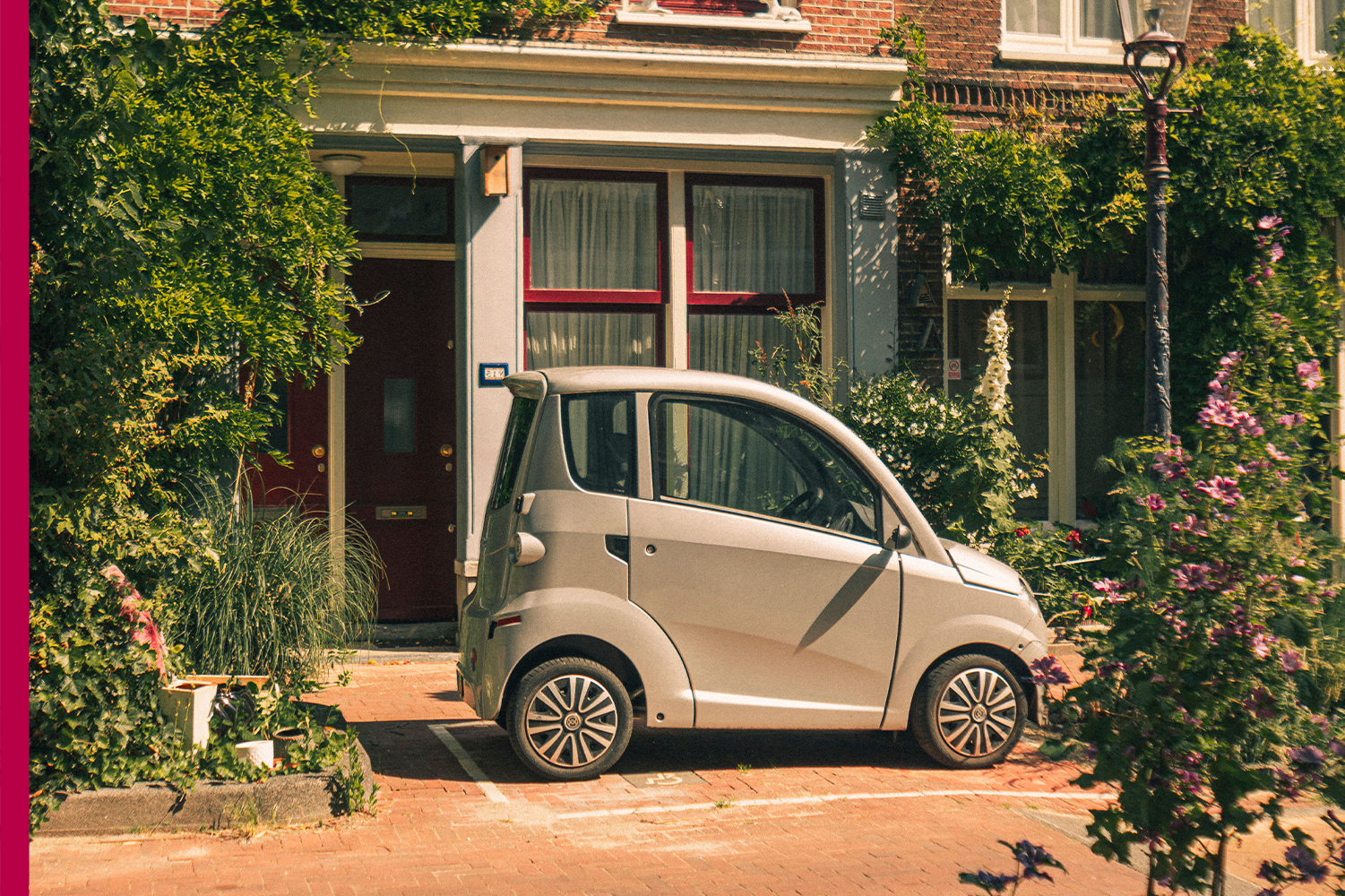
Premium electric vehicles helped demonstrate what battery technology could achieve, but mass adoption requires models that are accessible to middle-income consumers. Manufacturers are now competing to reduce production costs, improve battery efficiency, simplify vehicle platforms and introduce electric models at lower price points.
Competition is also intensifying between established European automakers and manufacturers from China. Chinese companies have developed strong capabilities in battery production, electronics, supply-chain integration and manufacturing scale. Their expanding presence in international markets is putting pressure on established automotive brands to accelerate innovation and reconsider pricing strategies.
For consumers, greater competition could result in more choices, improved technology and better value. For manufacturers, however, the same competition creates pressure on margins, investment budgets and traditional business models.
The Battery Is Becoming the Industry’s Most Important Asset
The battery remains at the centre of electric vehicle development. Its cost, energy density, durability, charging speed, thermal performance and supply-chain availability influence nearly every aspect of an EV.
Automakers are exploring different battery chemistries and manufacturing methods to improve performance while reducing costs. Battery recycling is also becoming strategically important as governments and companies seek to recover valuable materials and reduce dependence on newly mined resources.
The battery supply chain has become a global strategic issue. Lithium, graphite, nickel and other materials connect automotive manufacturing to mining, refining, international trade and geopolitical competition. Securing reliable supplies is therefore as important as developing the vehicle itself.
Charging Infrastructure: The Consumer Confidence Factor
Even the most advanced electric car cannot succeed without a reliable charging ecosystem.
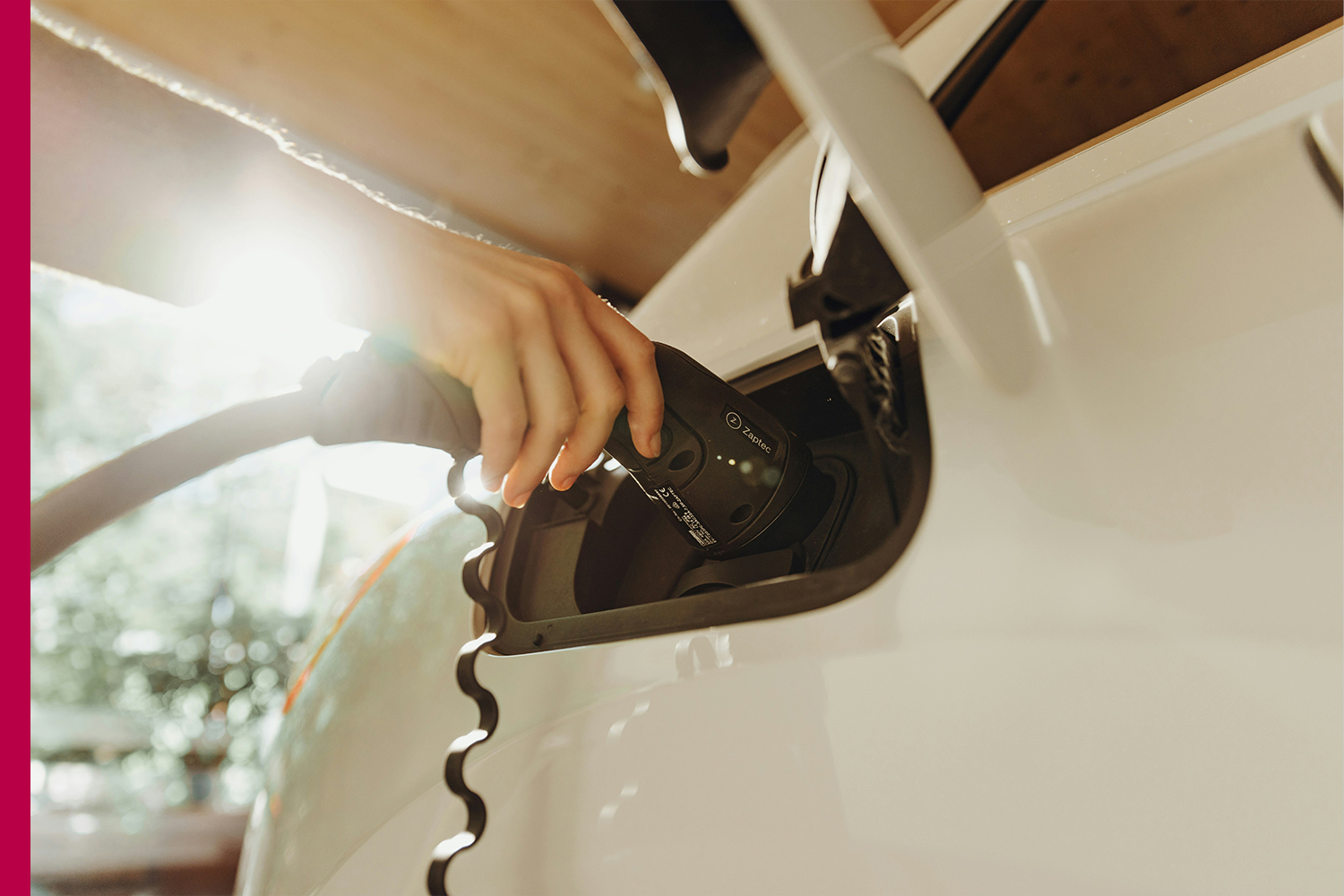
Drivers need to know where they can charge, how long it will take, how much it will cost and whether charging stations will be available when required. Public charging networks, highway infrastructure, workplace charging and residential solutions all play different roles.
For people living in apartments or urban areas without dedicated parking, charging access can be a major barrier. In rural areas, long-distance travel may depend on the availability of charging facilities along major routes.
Infrastructure development must therefore grow alongside EV sales. The transition is not simply about manufacturing more electric vehicles; it is about creating an environment where electric mobility becomes convenient.
Automakers Face a New Business Model
Electric vehicles are changing the traditional automotive value chain. Software updates, digital services, battery management, connected features and vehicle data are becoming important parts of the ownership experience.
Cars are increasingly being developed as connected platforms capable of receiving updates, communicating with infrastructure and supporting digital services throughout their lifespan. This creates new revenue opportunities but also raises questions about software security, privacy, ownership and repairability.
Manufacturers must also manage the transition carefully. Maintaining conventional vehicles, hybrids and electric vehicles simultaneously can increase engineering complexity and capital expenditure.
What Comes Next?
The next stage of the automotive revolution will be determined by whether manufacturers can make electric mobility economically sustainable for both businesses and consumers.
The winners may not simply be companies with the fastest vehicles or most advanced technology. They could be those that successfully combine affordable pricing, efficient manufacturing, dependable batteries, charging accessibility, attractive design and strong customer service.
The electric vehicle transition is no longer a distant prediction. It is a competitive reality—and the industry is now racing to determine who will shape the future of mobility.