




India’s apparel industry is entering a period of strategic transformation as manufacturers rethink export markets, retailers expand into smaller cities and brands respond to changing consumer expectations. Global trade uncertainty is encouraging companies to diversify, while domestic demand is creating new opportunities for growth.
One of the most significant changes is the shift away from excessive dependence on a single export destination. Indian garment exporters have been reassessing their exposure to the United States following tariff-related pressures that affected orders, pricing and profitability.
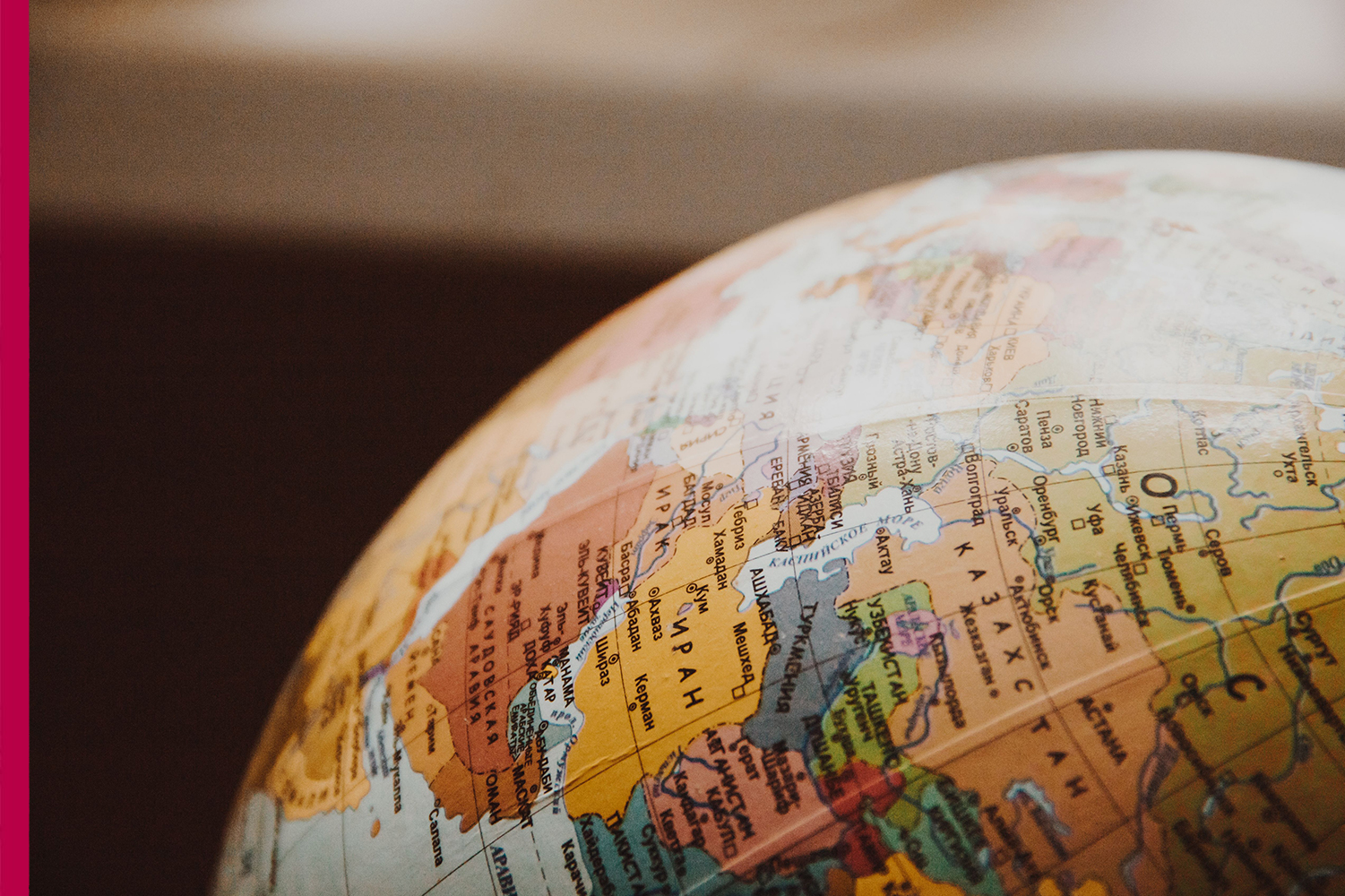
According to a Reuters report published on November 11, companies including Orient Craft and Gokaldas Exports are actively diversifying their export markets. Orient Craft has reduced its dependence on the United States and increased its focus on markets including Britain, Europe and India. Gokaldas Exports is also targeting greater European business over the coming years.
This strategy reflects a wider change in global manufacturing. Exporters are increasingly prioritising market diversification, flexibility and supply-chain resilience rather than relying on a single major customer market.
India’s domestic apparel market is also attracting greater attention. Retailers are expanding into Tier-2 and Tier-3 cities, where rising incomes, urbanisation and changing lifestyles are creating new demand for fashion.
Brands are also experimenting with new categories and retail formats. Some companies are focusing on versatile clothing that can be used across multiple activities, while others are expanding through franchise networks, digital platforms and creator-led commerce.
Another important development involves sustainable manufacturing. On November 11, Zara’s parent company Inditex committed $50 million to an IFC-led initiative designed to help suppliers access lower-cost financing for investments in cleaner energy and energy efficiency.
The initiative aims to support suppliers that may otherwise struggle to finance the transition to more efficient manufacturing systems. This is particularly relevant to apparel production, where energy consumption, water use, dyeing, finishing and material processing can create substantial environmental impacts.
The industry is also investing in modern textile machinery and manufacturing capabilities. India ITME 2026, scheduled for December 4–9 in Greater Noida, is expected to bring together international textile machinery manufacturers, technology providers and industry participants to explore developments in textile production.
For apparel companies, the future will involve balancing several priorities simultaneously: competitive pricing, product quality, reliable delivery, sustainability, technology adoption and consumer engagement.
For manufacturers, diversification can reduce risk. For retailers, smaller-city expansion can create new growth opportunities. For fashion brands, more sustainable sourcing and efficient production may become increasingly important to maintaining customer trust.
India’s apparel sector has significant advantages, including its manufacturing base, textile ecosystem, skilled workforce, domestic market and export experience.
The next phase of growth, however, will depend on how effectively companies adapt to changing trade conditions and invest in capabilities that make them competitive internationally.
Fashion may be driven by trends, but the apparel business is increasingly driven by strategy. The companies that successfully combine design, manufacturing efficiency, market diversification and responsible production could shape India’s next chapter in global fashion.