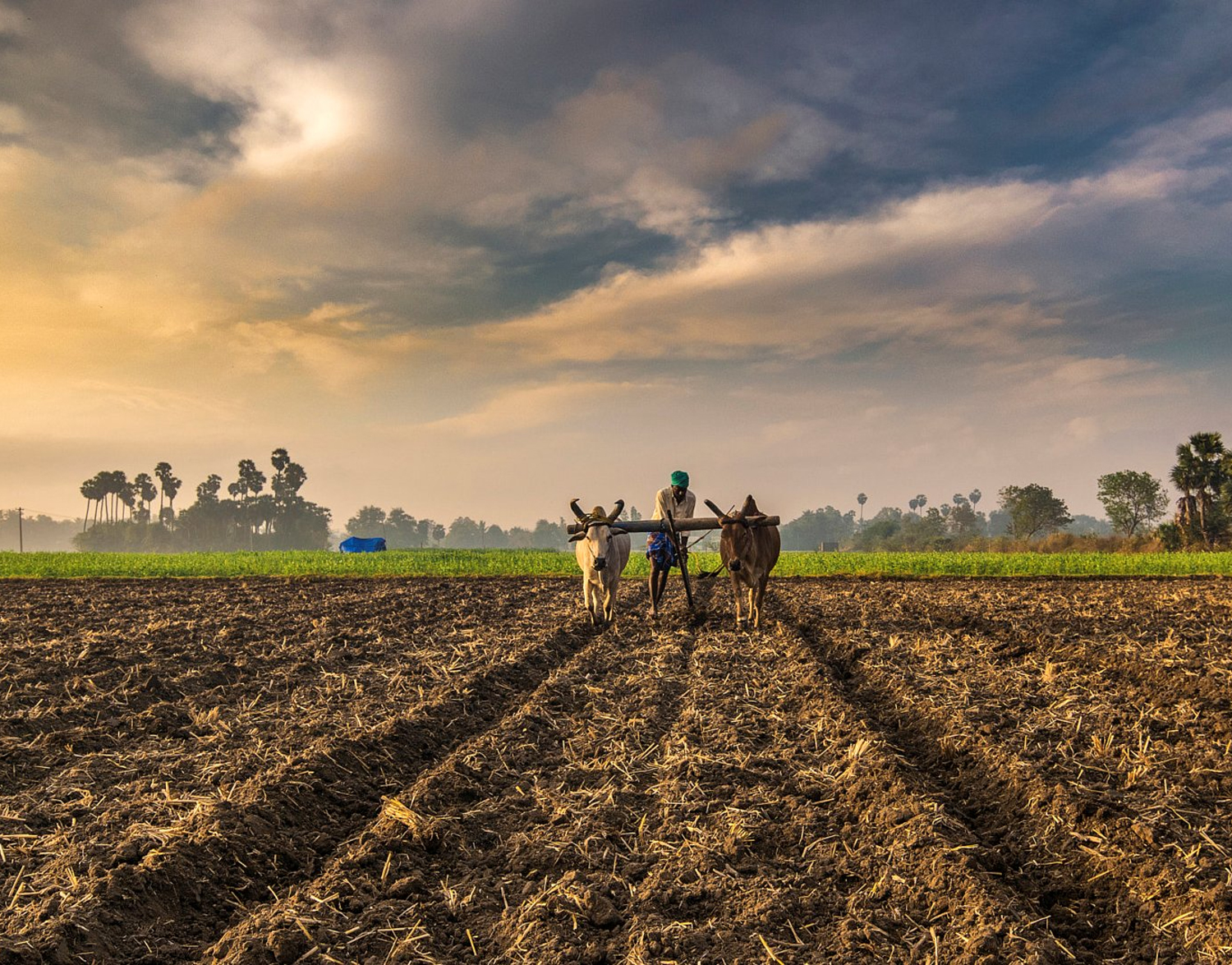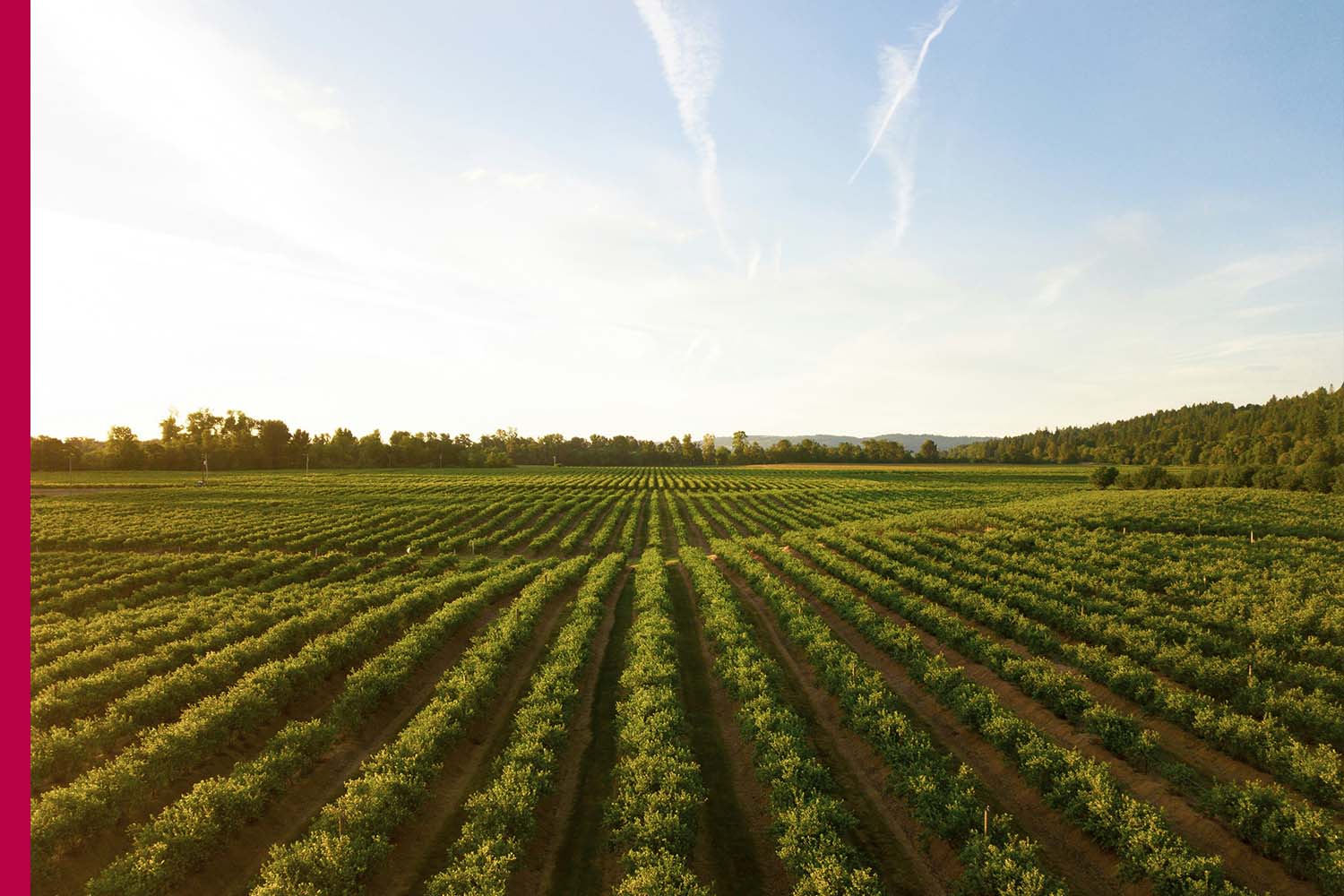




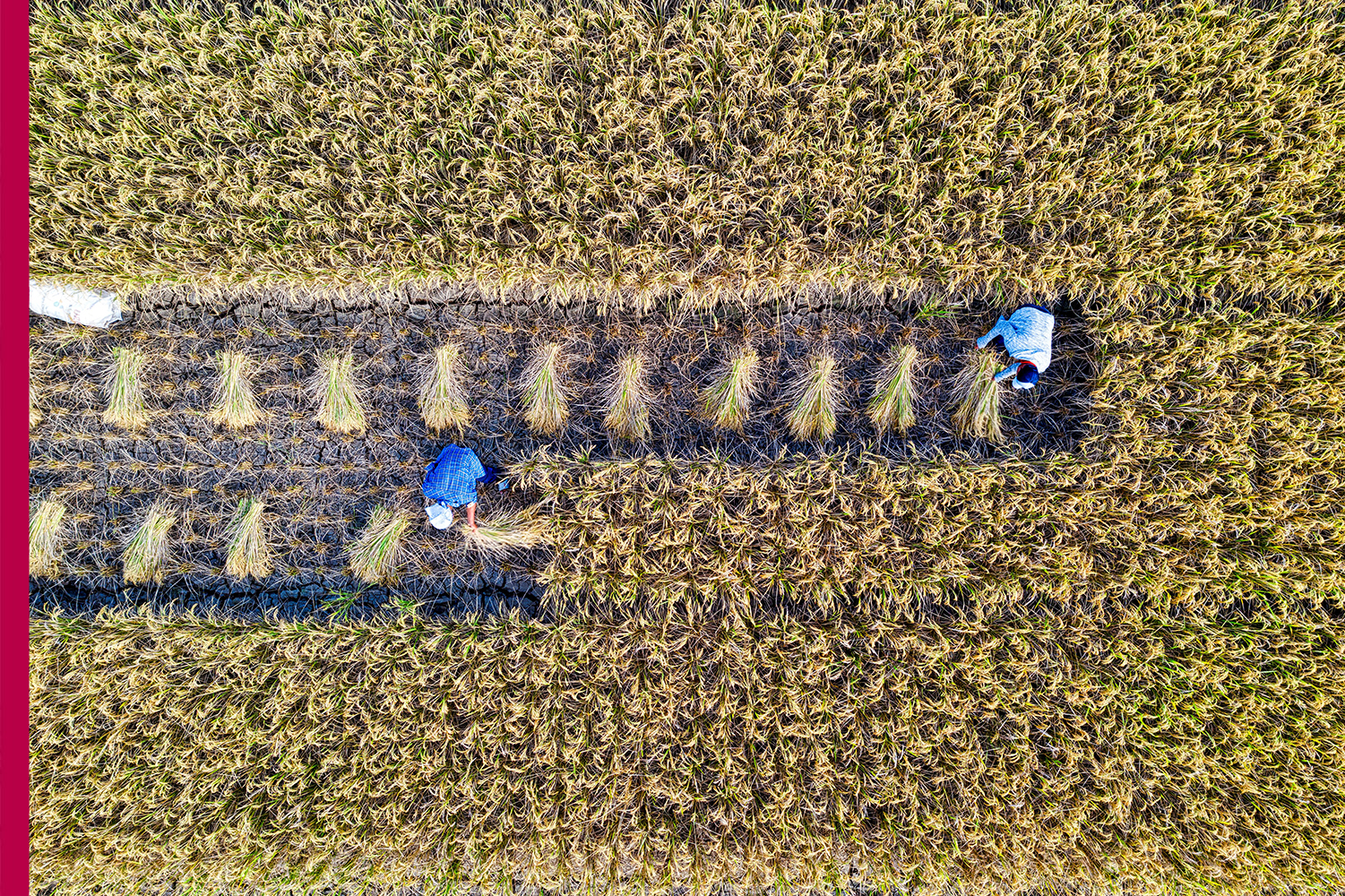
Agriculture depends on one factor that no farmer can fully control: the weather. As a powerful El Niño develops across the Pacific, agricultural authorities are increasingly concerned about its potential impact on rainfall, temperatures and crop production in several parts of the world.
A November 10 assessment from the European Commission’s Joint Research Centre identified the combination of strong El Niño conditions and high fuel and energy costs as major risks to agricultural production.
The report highlights concerns across Southern Africa, where forecasts point towards drier-than-average conditions and higher temperatures through March 2027. This is particularly important for maize, a staple crop that is highly vulnerable to drought. Parts of Angola and Zambia have already experienced delays in early-season planting.
Other regions are facing different challenges. East Africa has experienced reduced crop production in areas affected by poor rainfall and high temperatures, while some locations also face flood risks. In Central America, drought has damaged maize and bean harvests, placing pressure on small-scale farmers. Peru and Bolivia have also faced severe drought conditions.
The impact of extreme weather is not limited to farmers. Reduced harvests can affect food prices, livestock feed, agricultural exports and household purchasing power. Countries that depend heavily on imported food may become particularly vulnerable when crop losses coincide with high transportation and energy costs.
The Food and Agriculture Organization’s November report offers a more mixed picture of global markets. Its Food Price Index averaged 133.9 points in October, falling 1.2% from September as cereal, dairy and meat prices eased. However, sugar prices rose sharply, reaching their highest level since December 2024.
This contrast demonstrates why agricultural markets must be monitored crop by crop and region by region. A favourable global supply outlook does not necessarily protect communities facing local drought, conflict or distribution problems.
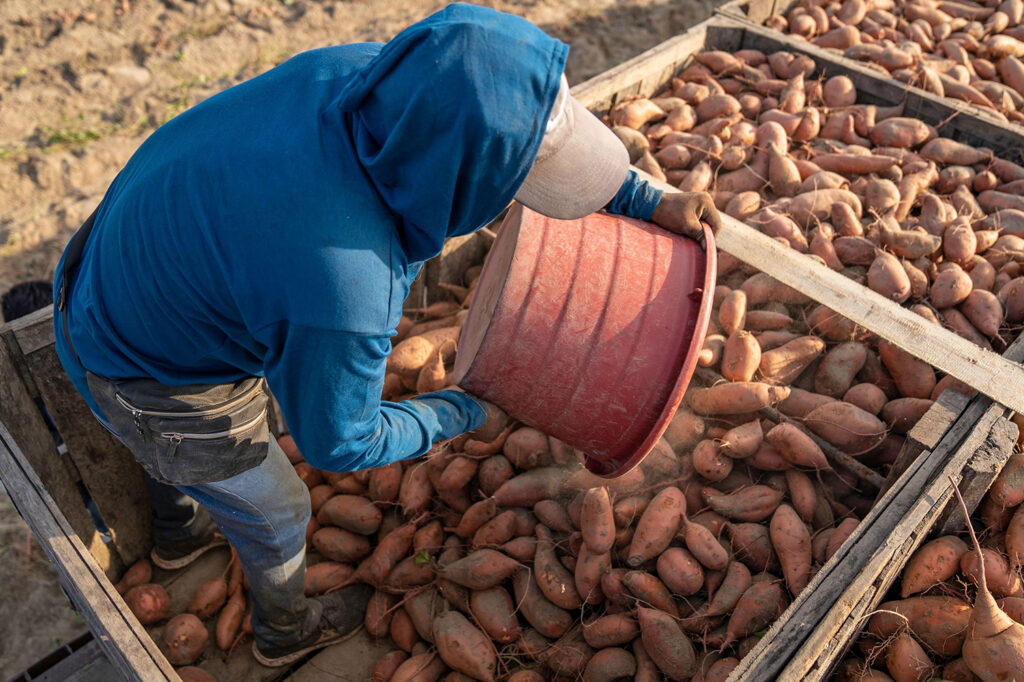
Farmers are increasingly exploring drought-resistant seeds, improved irrigation, soil conservation and climate forecasting tools. Governments and agricultural organisations are also strengthening early-warning systems to help farmers make better planting and investment decisions.
The challenge is especially significant for small farmers, who often have limited access to insurance, modern equipment and financial support.
The next agricultural season will test how effectively countries can prepare for climate-related uncertainty. In an interconnected food system, weather conditions in one region can influence prices and availability thousands of kilometres away.
Agriculture’s future will depend not only on producing more food, but also on building farming systems capable of surviving increasingly unpredictable conditions.