



The global aerospace industry is experiencing a significant shift as airlines expand fleets, aircraft manufacturers work through delivery backlogs and demand for high-performance engines continues to grow. One of the clearest signals came on November 12, when British engineering group Rolls-Royce announced a £1.5 billion share buyback, supported by strong demand across its civil aerospace and defence businesses.
The company said its large-engine order backlog had reached approximately 2,500 engines. It also reaffirmed its full-year financial guidance, reflecting confidence in the business outlook.
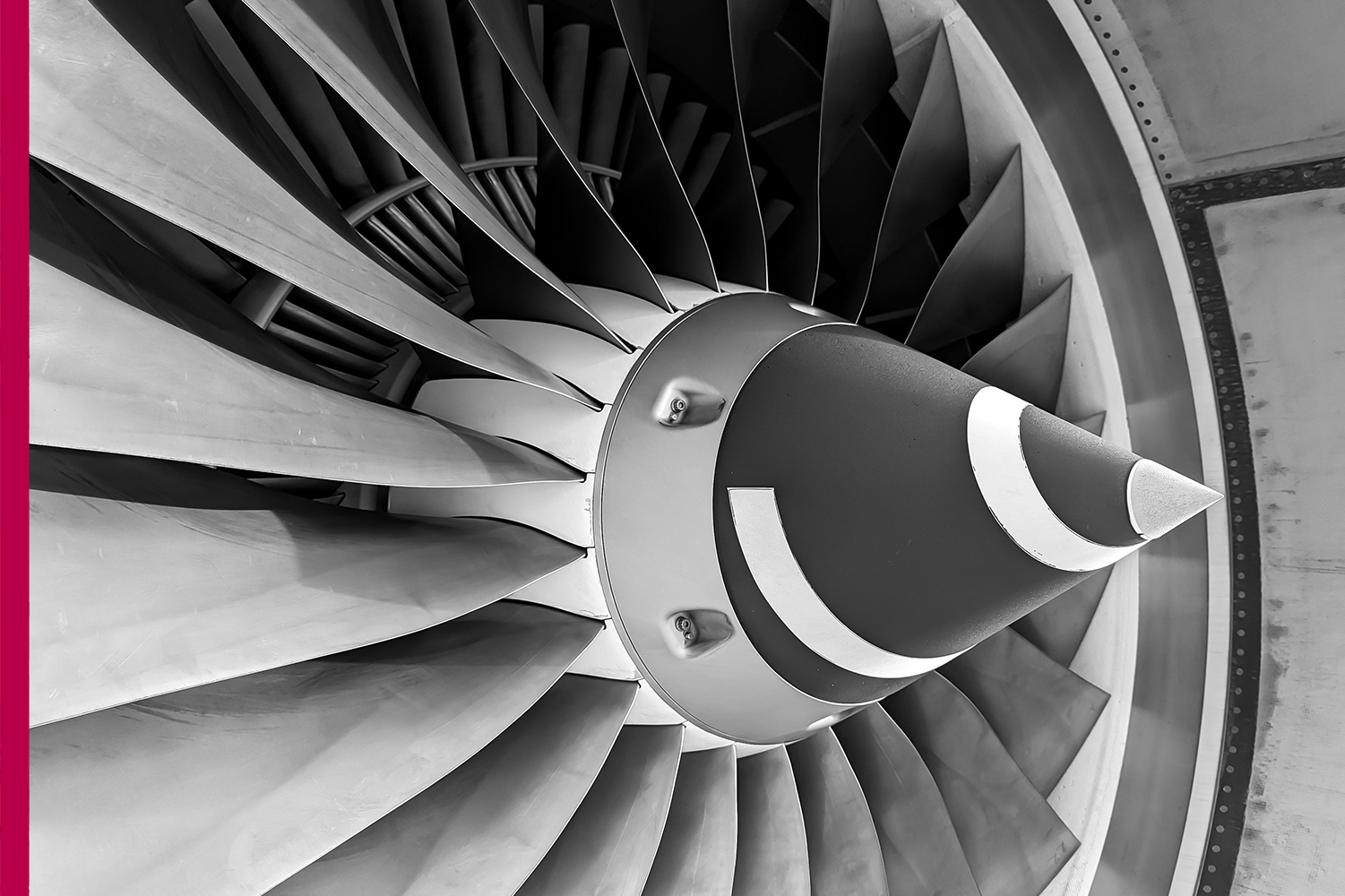
The development matters because aircraft engines are among the most valuable and technically complex components in aviation. They require advanced materials, precision engineering, extensive testing and long-term maintenance support. For manufacturers, the opportunity does not end when an aircraft is delivered: servicing, repairs and replacement components can generate revenue throughout an engine’s operating life.
Air travel demand has also placed pressure on the aviation supply chain. Airlines need reliable aircraft to serve growing passenger markets, while manufacturers and suppliers must manage production capacity, skilled labour shortages and component availability. Engine makers therefore occupy a strategically important position in the global aviation ecosystem.
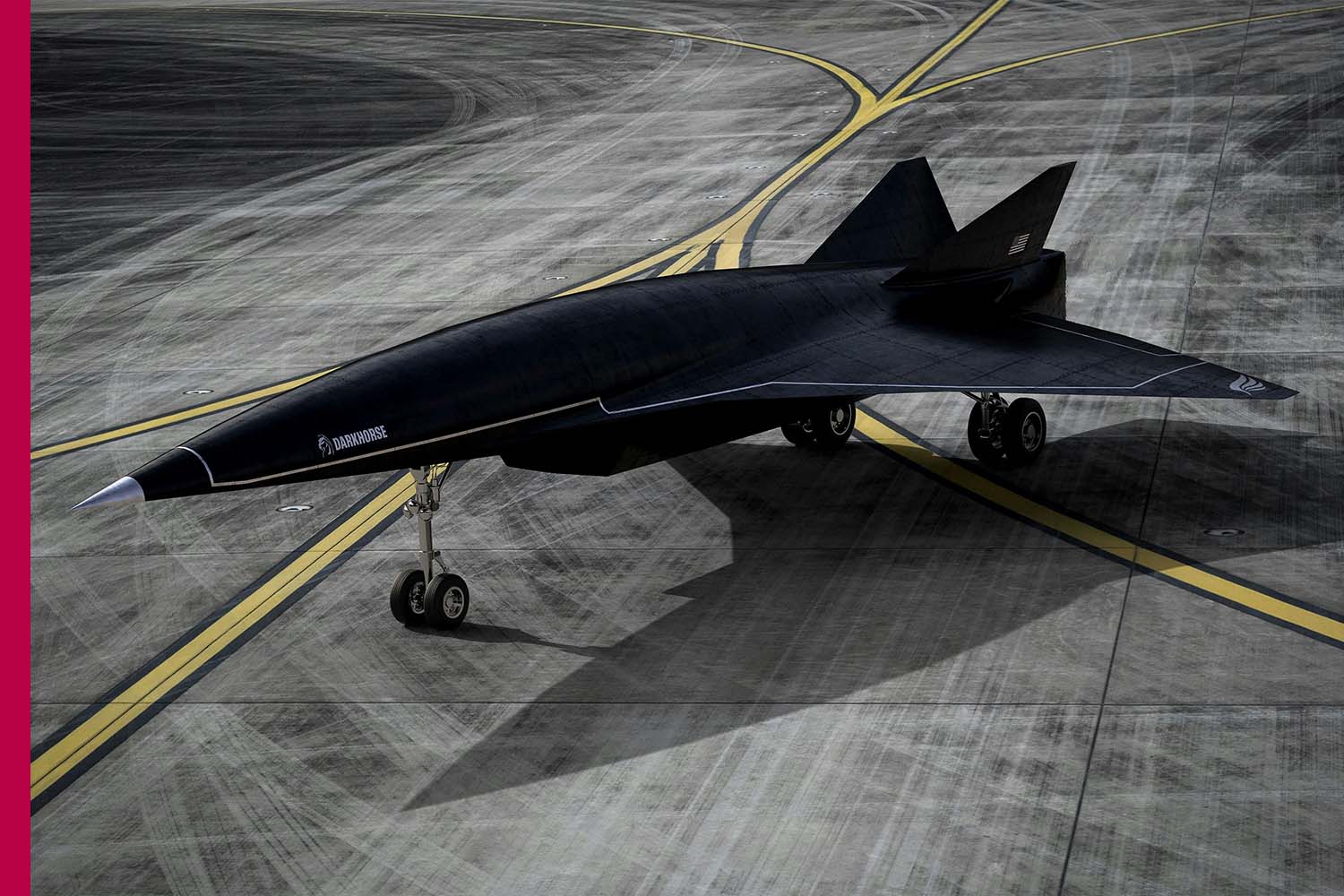
The aerospace sector is also moving beyond conventional aircraft technology. Hybrid-electric propulsion, sustainable aviation fuels, autonomous systems and reusable launch vehicles are attracting investment. These developments could reshape how people travel, how goods move and how satellites reach orbit.

Space technology is creating another growth opportunity. Companies are developing reusable launch systems and expanding satellite networks to support broadband connectivity, navigation, Earth observation and defence applications. However, high development costs and technical risks mean that commercial success remains uncertain for many emerging programmes.
For countries seeking to strengthen their aerospace industries, the opportunity extends across the supply chain: aircraft structures, engines, avionics, materials, software, maintenance and specialised manufacturing. Building these capabilities can create high-skilled employment and strengthen export potential.
Rolls-Royce’s latest announcement is not simply a financial-market story. It reflects the importance of engine technology and long-term service demand in an industry where reliability is essential.
As aviation and space activity expand, the next aerospace leaders may be those that combine engineering excellence with efficient manufacturing, advanced materials and cleaner propulsion technologies.