



Agriculture is entering a new technology era in which artificial intelligence, sensors and advanced machinery are becoming increasingly important to farm productivity. A recent investment in an IIT Kanpur-incubated startup highlights the growing interest in technologies designed to help farmers manage soil health, detect pests and respond to changing climate conditions.
ScaNxt Scientific Technologies announced in early November that it had secured investment from Rainmatter, Zerodha’s investment arm, alongside support from the Small Industries Development Bank of India and Exim Bank.
The company is developing a deep-technology platform focused on soil health, AI-powered pest detection and climate-resilient farming solutions. The investment is expected to support product development, research, channel partnerships and wider deployment in India and international markets.
The timing is significant. Farmers are facing multiple pressures, including unpredictable rainfall, rising input costs, changing pest patterns and the need to improve yields without increasing environmental damage.
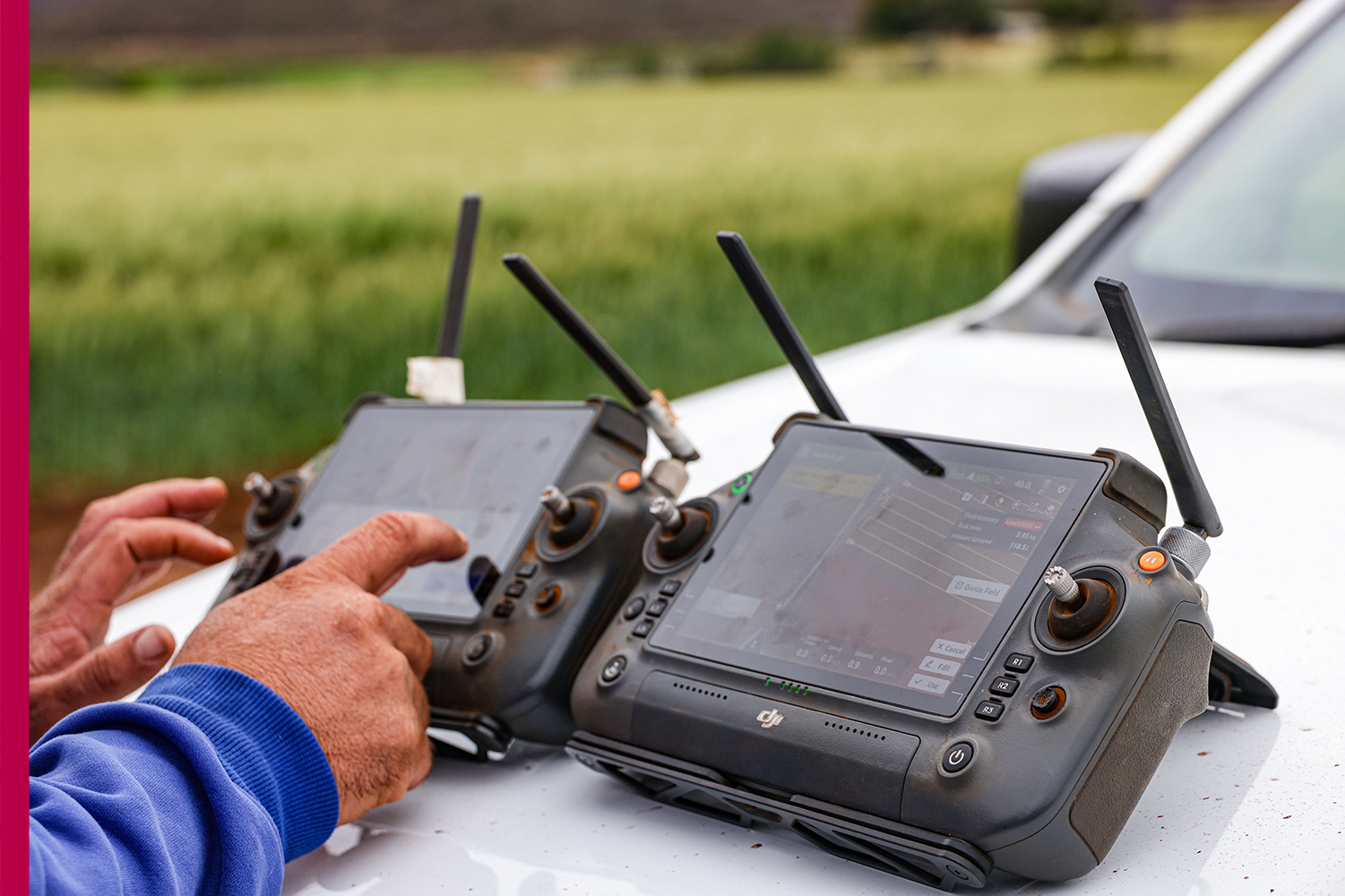
Traditional farming decisions often depend on experience, observation and periodic advice. Digital agriculture tools can add another layer of information. Soil sensors can help monitor moisture and nutrient conditions, while AI systems can analyse images and data to identify signs of pest attacks or crop stress.
This can help farmers make more targeted decisions about irrigation, fertiliser and crop protection. In principle, better information can reduce unnecessary input use and improve resource efficiency.
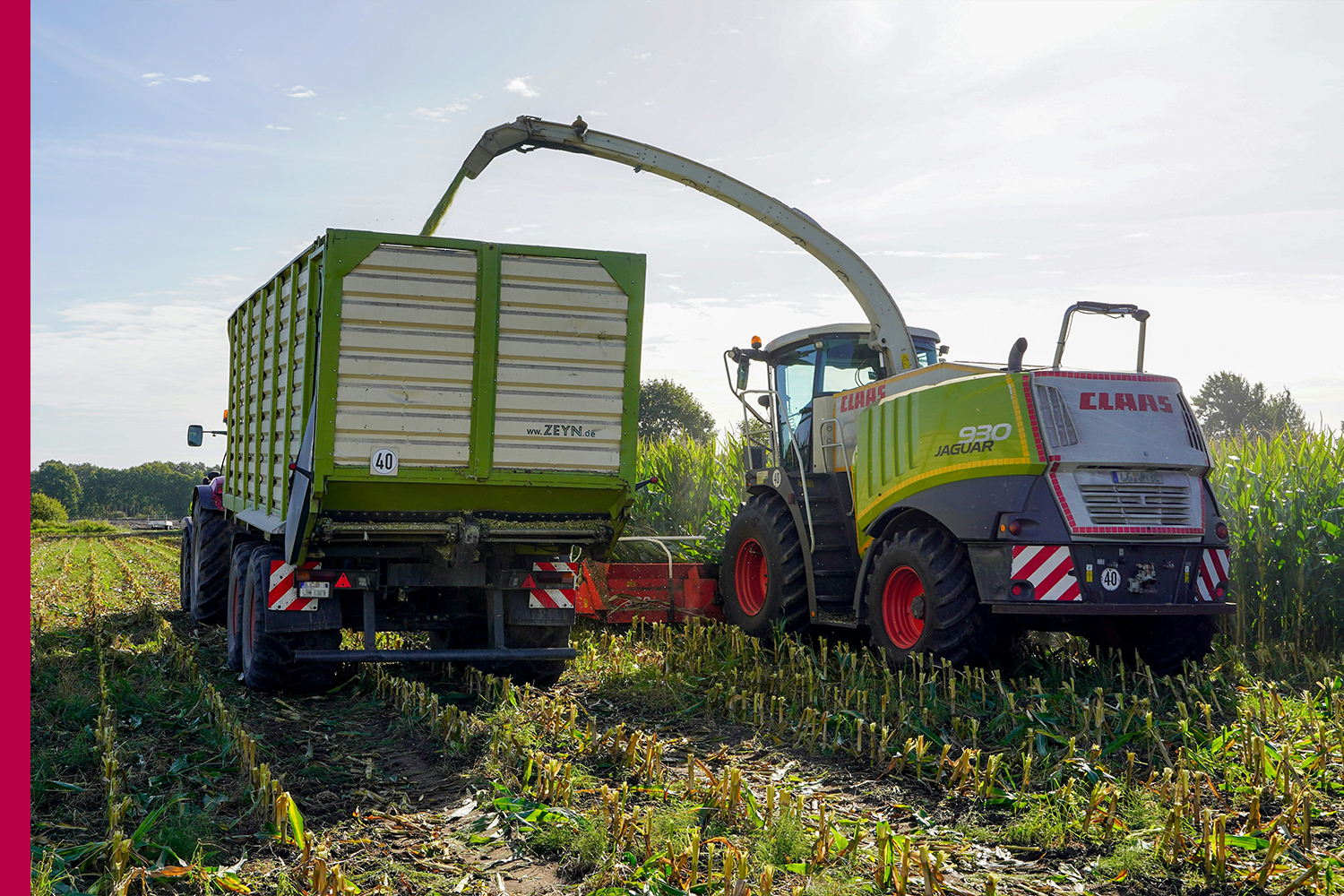
The broader AgriTech market is also seeing innovation in robotics, indoor cultivation and biological crop protection. A recent industry update highlighted a $15 million contract for indoor dairy-feed production and growing commercial activity around agricultural automation and biological solutions.
However, the biggest challenge is ensuring that technology reaches farmers who need it most. Small and marginal farmers may not have the capital, digital infrastructure or technical support required to adopt sophisticated systems. Solutions must therefore be affordable, easy to use and supported by reliable local services.
There is also a need to demonstrate measurable results. Farmers are more likely to adopt technology when it clearly improves income, reduces losses or saves time.
For investors, AgriTech offers an opportunity to support businesses at the intersection of food security, climate adaptation and technology. For agricultural institutions, it creates possibilities for partnerships between researchers, startups, equipment manufacturers and farming communities.
The next phase of agricultural innovation may not be defined by one breakthrough machine. It could emerge from the combination of data, intelligent software, better seeds, precision equipment and accessible advisory services.
If these technologies can be made practical and affordable, the farm of the future may be more connected, more efficient and better prepared for climate uncertainty.