


What happens when designers are asked to imagine a world beyond the limits of today’s creative thinking? Bangkok is preparing to explore that question through an international design gathering that brings together artists, architects, technologists and creative professionals.
The Bangkok International Design Expo 2026, titled THE WORLD ENDS, is scheduled to take place at Bangkok Kunsthalle from November 25 to 29. Organised by the Thailand Convention and Exhibition Bureau, the event will invite creative communities from across Asia and beyond to examine how design might evolve in a changing world.
The title is deliberately provocative. Rather than predicting the end of design, the exhibition challenges familiar assumptions and asks what new possibilities could emerge when established ideas are questioned.
The programme is expected to bring together exhibitions, discussions and immersive experiences. Its participants include designers, architects, artists, technology specialists, brands and other creative professionals.
The timing is significant. Design is no longer limited to the appearance of products, buildings or advertising campaigns. It increasingly influences how people interact with technology, how cities function, how businesses communicate and how communities respond to environmental and social challenges.
Artificial intelligence is also changing the creative process. Designers can now experiment with new visual concepts, generate prototypes and explore different approaches more quickly. Yet human imagination, cultural understanding and creative judgement remain essential in determining which ideas have meaning.
International creative exchange is another important part of this story. On November 10, Hong Kong hosted the first Discover Moscow Fashion Show at the Hong Kong Palace Museum, presenting collections from 26 Moscow fashion brands. The event demonstrated how fashion can become a platform for cultural dialogue and international business connections.
The programme continued in Shenzhen on November 11 and 12, with additional cultural events and meetings intended to strengthen creative cooperation.
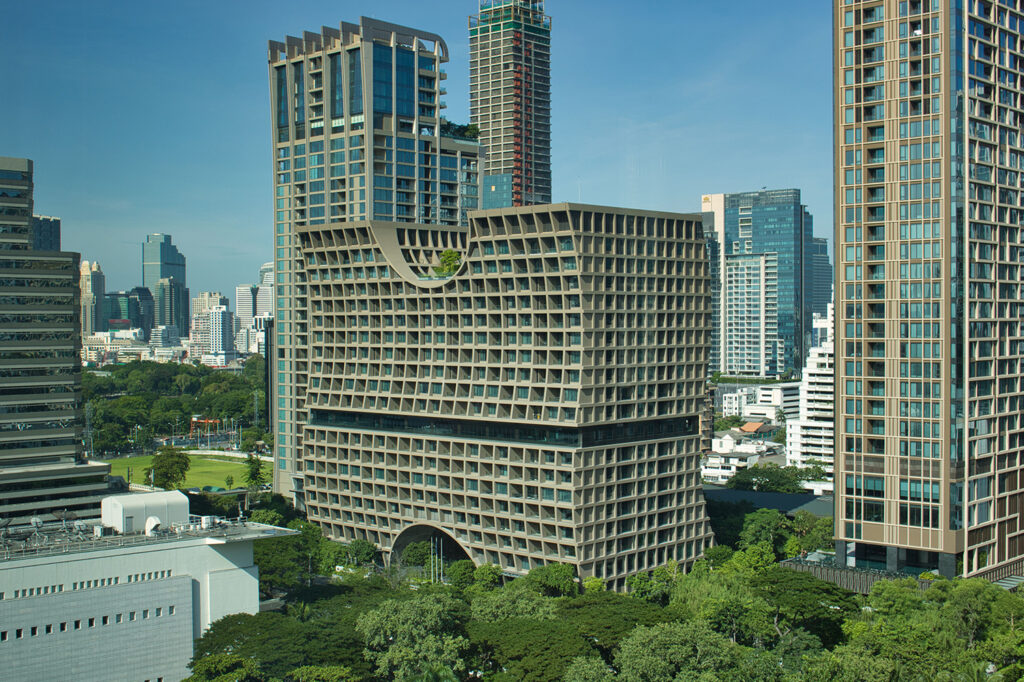
These developments highlight a wider global trend: cities are increasingly using design, fashion, architecture and cultural events to attract talent, tourism and investment.
For creative businesses, international exhibitions provide opportunities to reach new audiences, build partnerships and discover emerging markets. For independent designers, they can offer visibility beyond local industries.
The future of design will be influenced by technology, but it will also depend on the ability to understand people and their changing environments.
Bangkok’s upcoming design gathering is built around a question that reaches far beyond the exhibition space: when the familiar world changes, what will creativity make possible next?