


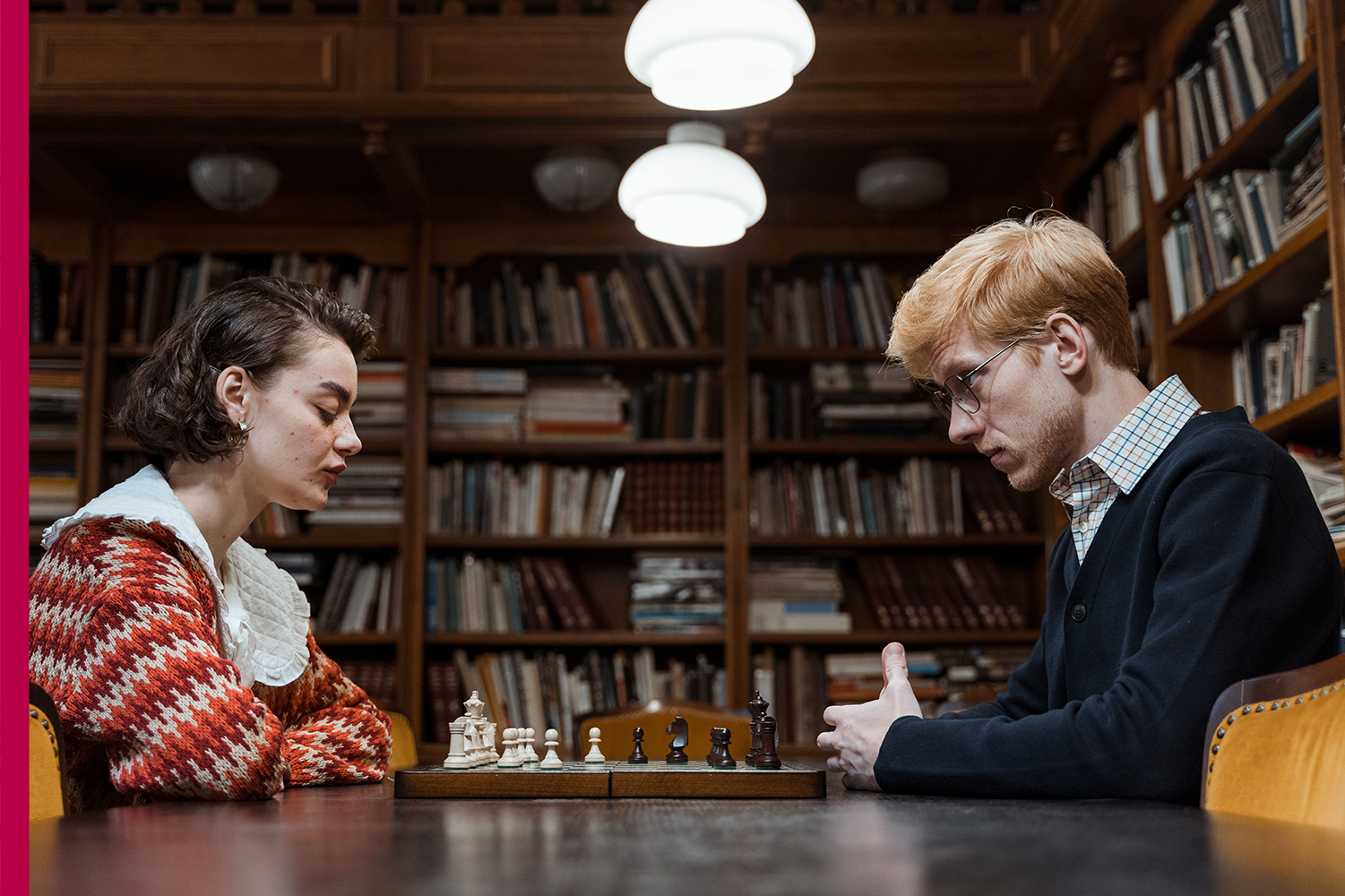
Indian chess has reached a remarkable milestone. On November 10, Anuj Shrivatri became the country’s 100th Grandmaster after winning the 7th ASEAN+ Individual Open Chess Championship in the Philippines.
The achievement is significant for more than one reason. Shrivatri became the first Grandmaster from Madhya Pradesh, adding another state to India’s growing presence in international chess.
He secured the title after scoring seven points from nine rounds at the tournament in Ozamiz City. His performance also marked a notable recovery after losing his opening-round game.
The milestone received national attention, with Prime Minister Narendra Modi congratulating Shrivatri and describing India’s arrival at 100 Grandmasters as a reflection of the talent, dedication and hard work of its players.
The achievement represents a major moment in the development of Indian chess. For decades, the country had relatively few players competing at the highest international level. The rise of successive generations has changed that picture, with more young players entering competitive chess and representing India in international tournaments.
The country’s sporting achievements are also extending across other disciplines. At the ISSF World Championship in Doha, India’s women’s 25m pistol team won gold, although leading shooters Manu Bhaker and Esha Singh missed out on individual medals. The result demonstrated the depth of India’s shooting talent while also highlighting the continuing challenge of securing individual Olympic qualification opportunities.
Meanwhile, the recent WTA 250 Chennai Open brought international women’s tennis back into focus in Tamil Nadu. The tournament also sparked discussion about scheduling, weather and air-quality challenges, with Tamil Nadu Tennis Association President Vijay Amritraj discussing a possible roadmap for bringing additional women’s professional tournaments to India’s southern region in 2028.
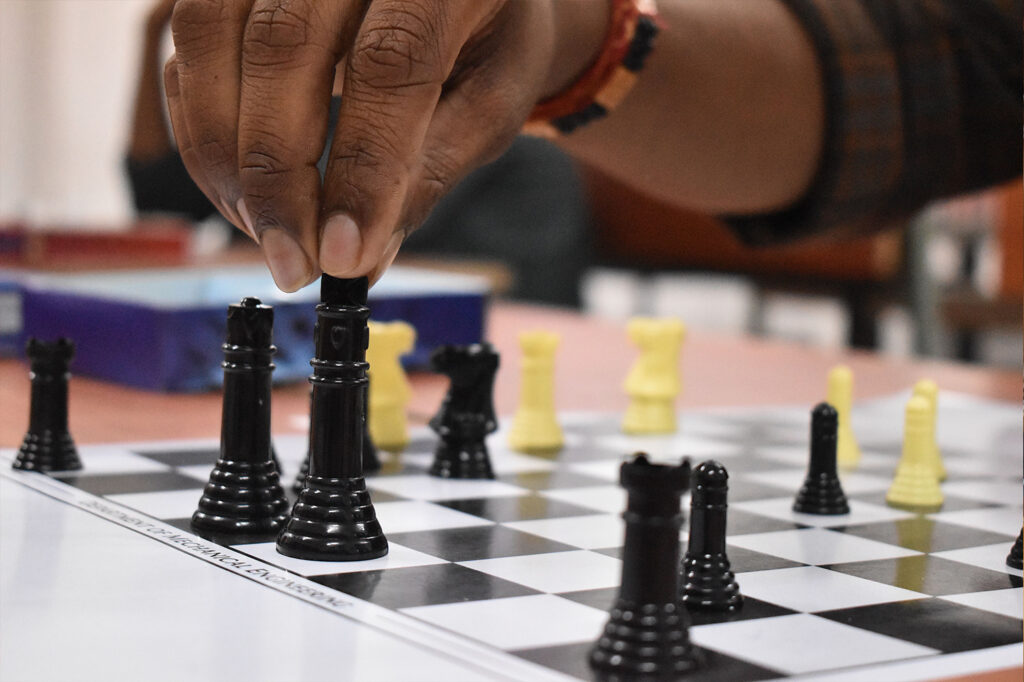
Together, these developments illustrate the breadth of India’s sporting ambitions. Chess is building a larger talent base, shooting continues to compete at world level, and tennis organisers are exploring ways to strengthen the professional tournament calendar.
The next challenge is to turn individual achievements into sustainable sporting ecosystems. Young athletes need coaching, competition opportunities, facilities, financial support and pathways to international events.
India’s 100th Grandmaster is therefore more than a personal achievement. It is a milestone that can inspire the next generation to see chess as a serious competitive pursuit.
From board games to Olympic disciplines, India’s sporting story is being shaped by athletes who are steadily expanding what the country can achieve on the global stage.