


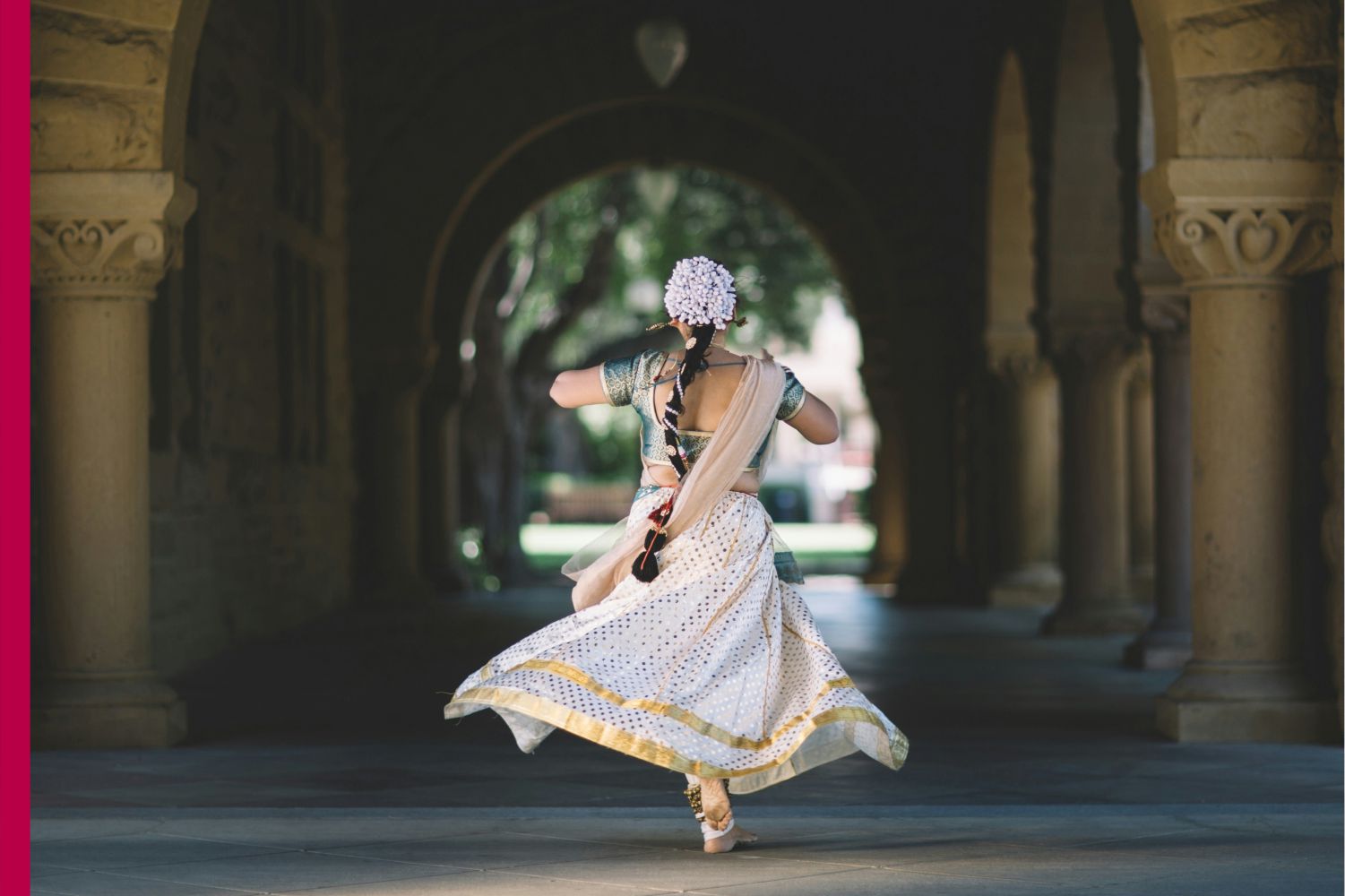
India is a land of extraordinary cultural diversity, and this richness is beautifully reflected in its wide variety of traditional dances. Indian cultural dances are deeply rooted in history, mythology, regional traditions, and social life. Each dance form tells a story, expresses emotions, and represents the unique identity of the region from which it originates. Together, these dances form a vibrant cultural tapestry that has been preserved and celebrated for centuries.
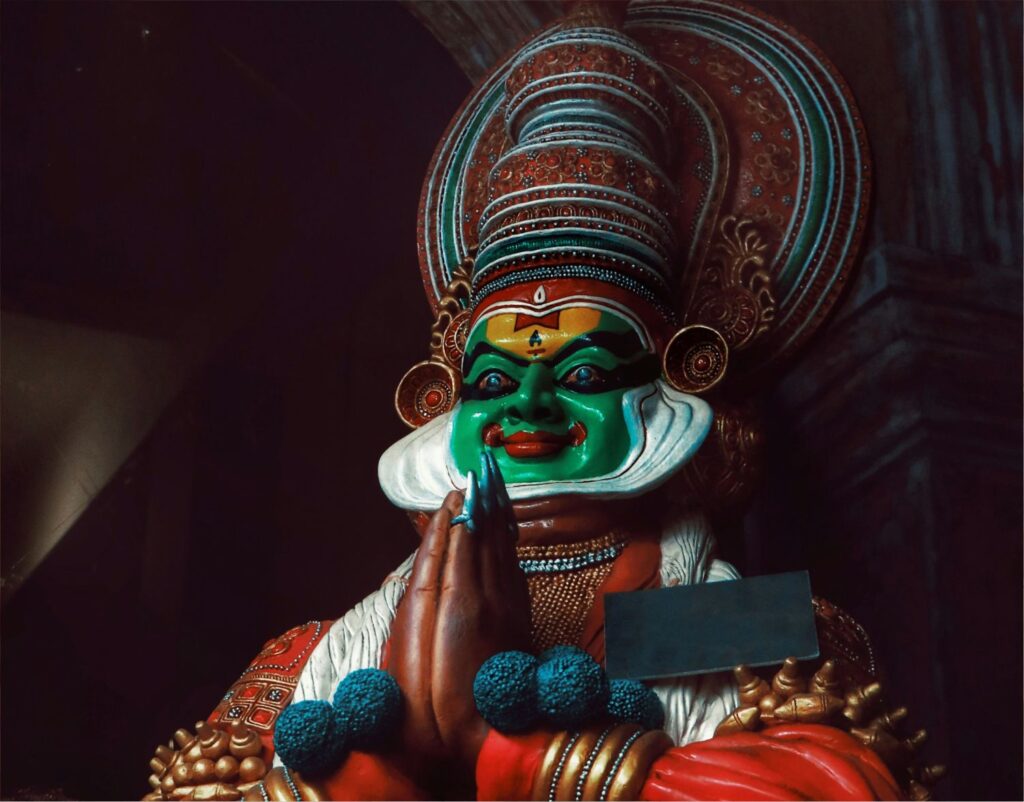
Classical Indian dances are among the most structured and spiritually significant art forms in the world. Bharatanatyam from Tamil Nadu is known for its graceful movements, expressive facial gestures, and powerful footwork. Kathak, originating from North India, combines storytelling with rhythmic footwork and elegant spins. Kathakali from Kerala is a dramatic dance form featuring elaborate costumes and facial expressions that depict stories from epics. Odissi from Odisha is recognized for its lyrical movements and sculptural poses, while Kuchipudi from Andhra Pradesh blends dance, drama, and music into expressive performances. Manipuri from Manipur stands out for its gentle, flowing movements and devotional themes.
Folk dances of India reflect the daily lives, festivals, and traditions of local communities. These dances are energetic, colorful, and often performed during celebrations and harvest festivals. Bhangra and Giddha from Punjab express joy and agricultural prosperity through lively movements. Garba and Dandiya from Gujarat are performed in circles during festivals, symbolizing unity and devotion. Lavani from Maharashtra is known for its expressive storytelling and rhythmic beats, while Ghoomar from Rajasthan showcases elegance through slow, graceful movements in traditional attire.
Tribal dances also form an important part of India’s cultural heritage. These dances are closely connected to nature, rituals, and community life. Performed during festivals, weddings, and ceremonies, tribal dances emphasize group participation and rhythmic patterns. They preserve ancient traditions and offer insight into indigenous cultures that have thrived for generations.
Indian dance is not just a form of entertainment but a means of storytelling and spiritual expression. Many classical dances are based on themes from Hindu mythology, portraying gods, goddesses, and epic narratives. Hand gestures, facial expressions, and body movements work together to communicate emotions such as love, devotion, anger, and joy. This symbolic language makes Indian dance deeply expressive and meaningful.
Costumes, music, and makeup play a vital role in enhancing the beauty of Indian dances. Traditional attire, intricate jewelry, and vibrant colors add visual richness, while live or recorded classical music provides rhythm and mood. Percussion instruments and melodic vocals create a powerful connection between movement and sound.
In today’s world, Indian cultural dances continue to evolve while preserving their roots. They are performed on global stages, taught in academies, and adapted into modern interpretations. Through these dances, India shares its cultural heritage with the world, promoting understanding and appreciation. In conclusion, Indian cultural dances are a celebration of tradition, diversity, and artistic excellence. They reflect the soul of the nation, uniting history, spirituality, and creativity in rhythmic harmony.