



As urban populations continue to grow, cities around the world are searching for sustainable ways to meet increasing food demands while reducing environmental impact. Urban farming has emerged as an innovative solution that combines agriculture with modern city living. By utilizing rooftops, vertical spaces, and advanced technologies, urban farming is transforming how food is produced and consumed in urban environments.
Urban farming refers to the practice of cultivating crops and raising food within or around cities. Modern innovations in this field are making agriculture more efficient, resource-friendly, and accessible to urban communities. One of the most significant advancements is vertical farming, where crops are grown in stacked layers using controlled environments. This method maximizes space usage and allows food production even in densely populated areas.
Technologies such as Hydroponics and aeroponics are playing a major role in urban farming innovation. Hydroponics allows plants to grow in nutrient-rich water instead of soil, reducing water consumption and enabling faster growth. Aeroponics takes this a step further by delivering nutrients through mist, making farming even more efficient. These systems require less land and can operate indoors, making them ideal for cities with limited agricultural space.
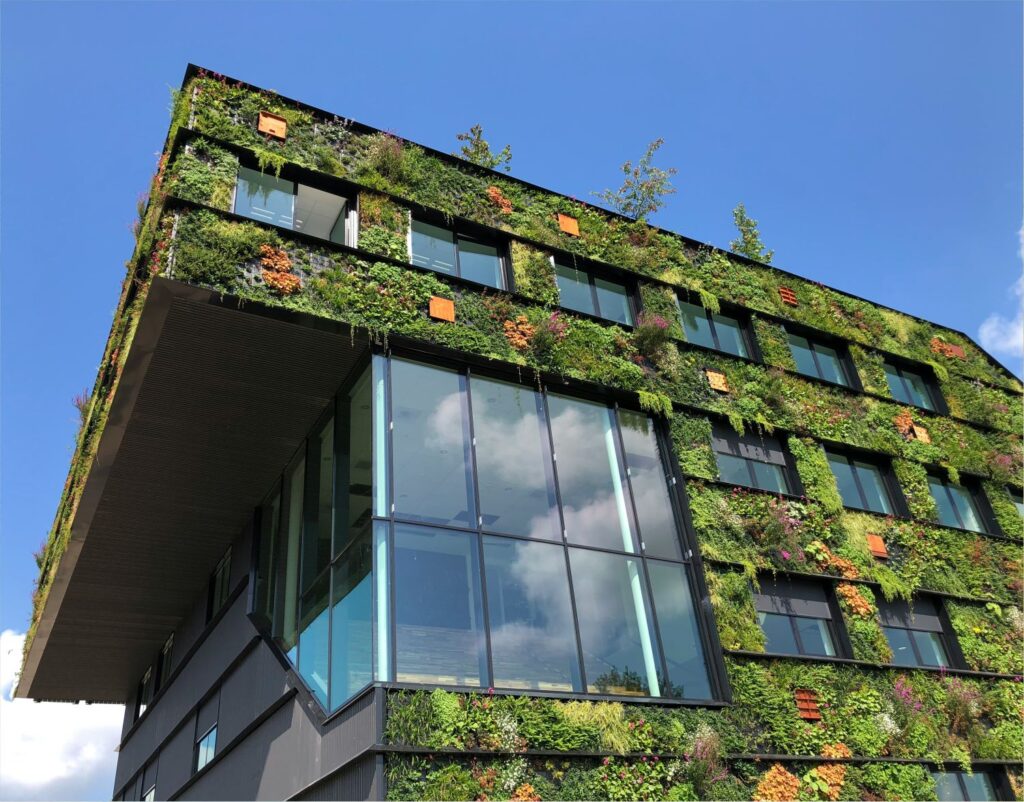
Rooftop gardens are another growing trend in sustainable urban development. Buildings, apartments, and commercial spaces are being converted into productive green areas where vegetables, herbs, and fruits can be cultivated. Rooftop farming not only provides fresh produce but also helps reduce urban heat, improve air quality, and enhance building insulation.
Smart technology is further enhancing urban farming practices. Sensors, automated irrigation systems, and data analytics help farmers monitor plant health, humidity, temperature, and nutrient levels in real time. This data-driven approach increases efficiency and reduces resource wastage. Integration with renewable energy sources such as solar power also supports sustainability goals.
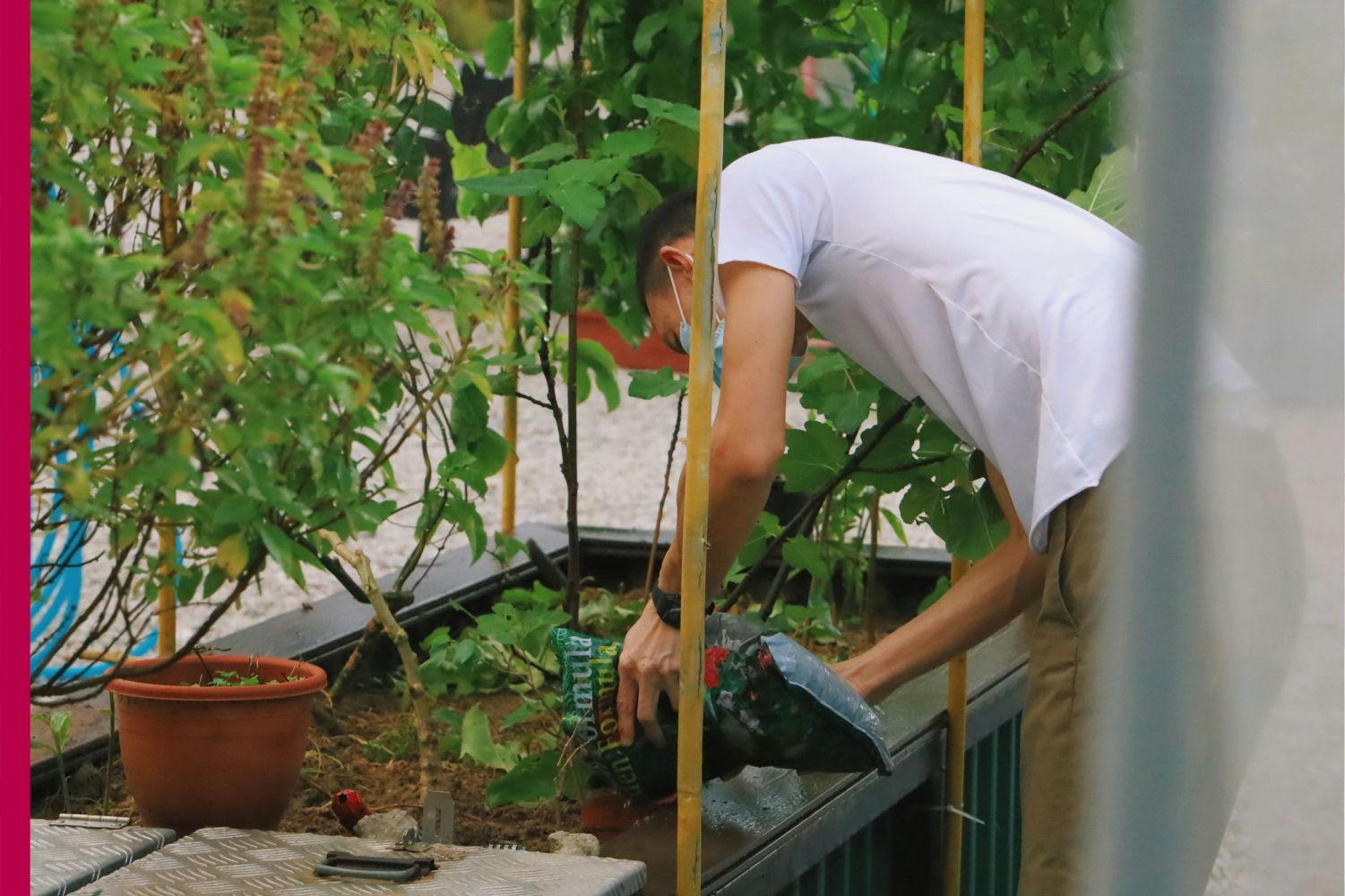
Community farming initiatives are becoming increasingly popular in cities. Shared gardens and local farming projects encourage residents to participate in food production and promote awareness about healthy eating and environmental responsibility. These initiatives strengthen social connections and provide access to fresh produce for urban populations.
In countries like India, urban farming is gaining attention as cities face challenges related to food security, pollution, and limited green spaces. Urban agriculture projects are helping communities grow fresh food locally while reducing dependence on long-distance transportation. This contributes to lower carbon emissions and fresher produce for consumers.
One of the key benefits of urban farming is sustainability. Traditional agriculture often requires large amounts of water, land, and transportation resources. Urban farming minimizes transportation costs and reduces food waste by bringing production closer to consumers. It also supports local economies and encourages environmentally responsible practices.
Despite its advantages, urban farming faces challenges such as high setup costs, limited awareness, and regulatory restrictions. Advanced systems like vertical farms and hydroponics require significant investment in infrastructure and technology. Additionally, urban planners and policymakers need to create supportive regulations and incentives for widespread adoption.
Education and innovation are essential for the continued growth of urban farming. Training programs, research initiatives, and public awareness campaigns can help communities understand the benefits and practical applications of urban agriculture. Collaboration between governments, businesses, and local communities is also crucial for success.
In conclusion, urban farming innovations are reshaping the future of sustainable cities by integrating food production into urban environments. Through technologies like vertical farming, hydroponics, and smart agriculture, cities can improve food security, reduce environmental impact, and create healthier communities. As urbanization continues to expand, urban farming will play a vital role in building greener and more resilient cities for future generations.