


As global industries grapple with resource scarcity, environmental concerns, and growing consumer awareness, circular economy business models are gaining significant traction. Unlike the traditional linear model of “take, make, dispose,” the circular economy emphasizes reuse, recycling, and regeneration. This shift is redefining how businesses design products, manage resources, and create long-term value.
At its core, the Circular Economy focuses on minimizing waste and maximizing resource efficiency. Products are designed to last longer, be repaired easily, and be reused or recycled at the end of their lifecycle. This approach not only reduces environmental impact but also opens new opportunities for innovation and cost savings.
One of the key drivers behind the rise of circular business models is increasing environmental awareness. Consumers are becoming more conscious of the impact their purchasing decisions have on the planet. As a result, they are actively seeking products and brands that prioritize sustainability. Businesses are responding by adopting eco-friendly practices, such as using recycled materials, reducing packaging waste, and offering take-back programs.
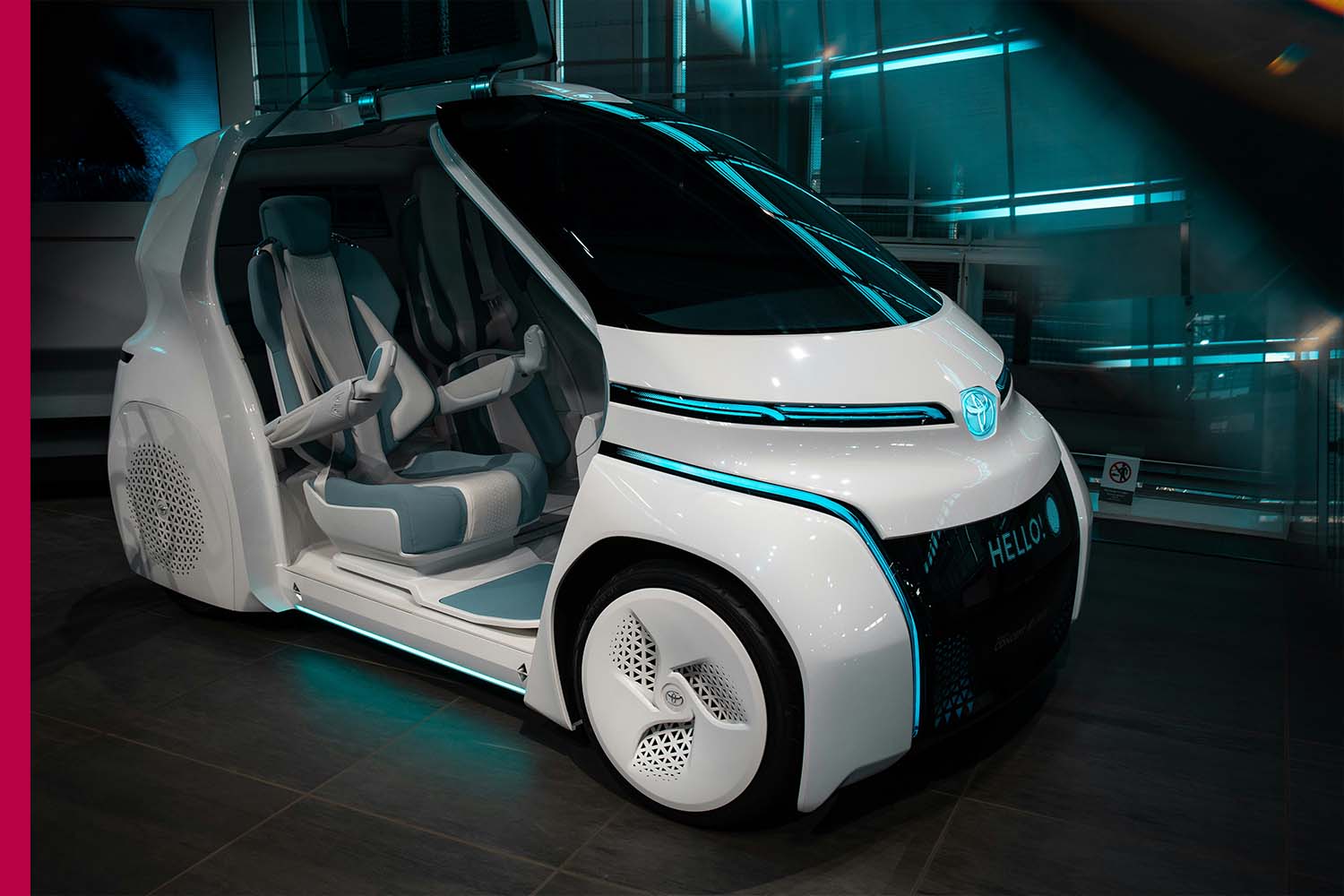
Product-as-a-service models are a prominent example of circular economy practices. Instead of selling products outright, companies offer them as services. For instance, customers can lease or subscribe to products, returning them after use. This allows businesses to retain ownership, ensuring proper maintenance, reuse, and recycling. It also creates recurring revenue streams and strengthens customer relationships.
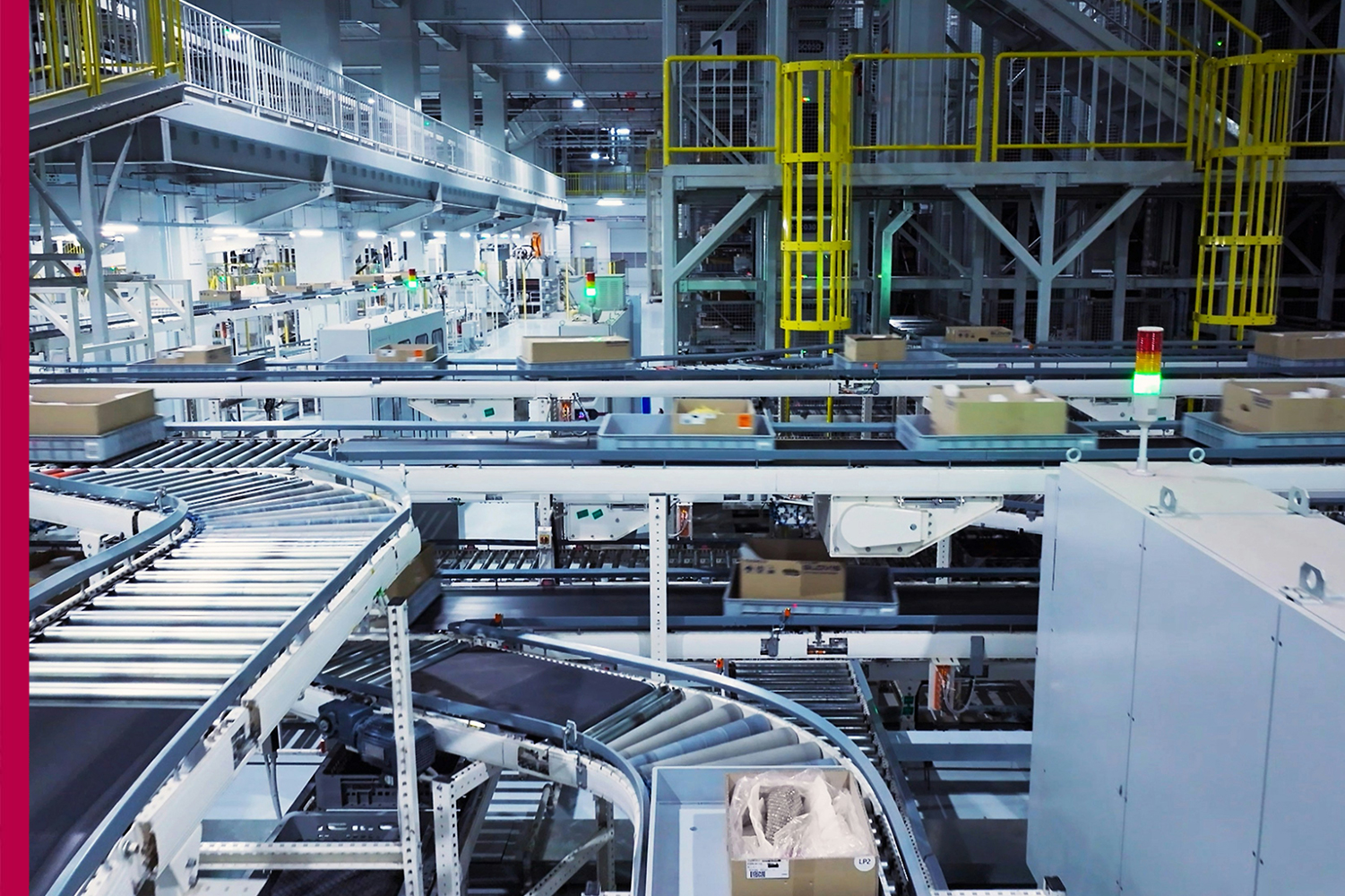
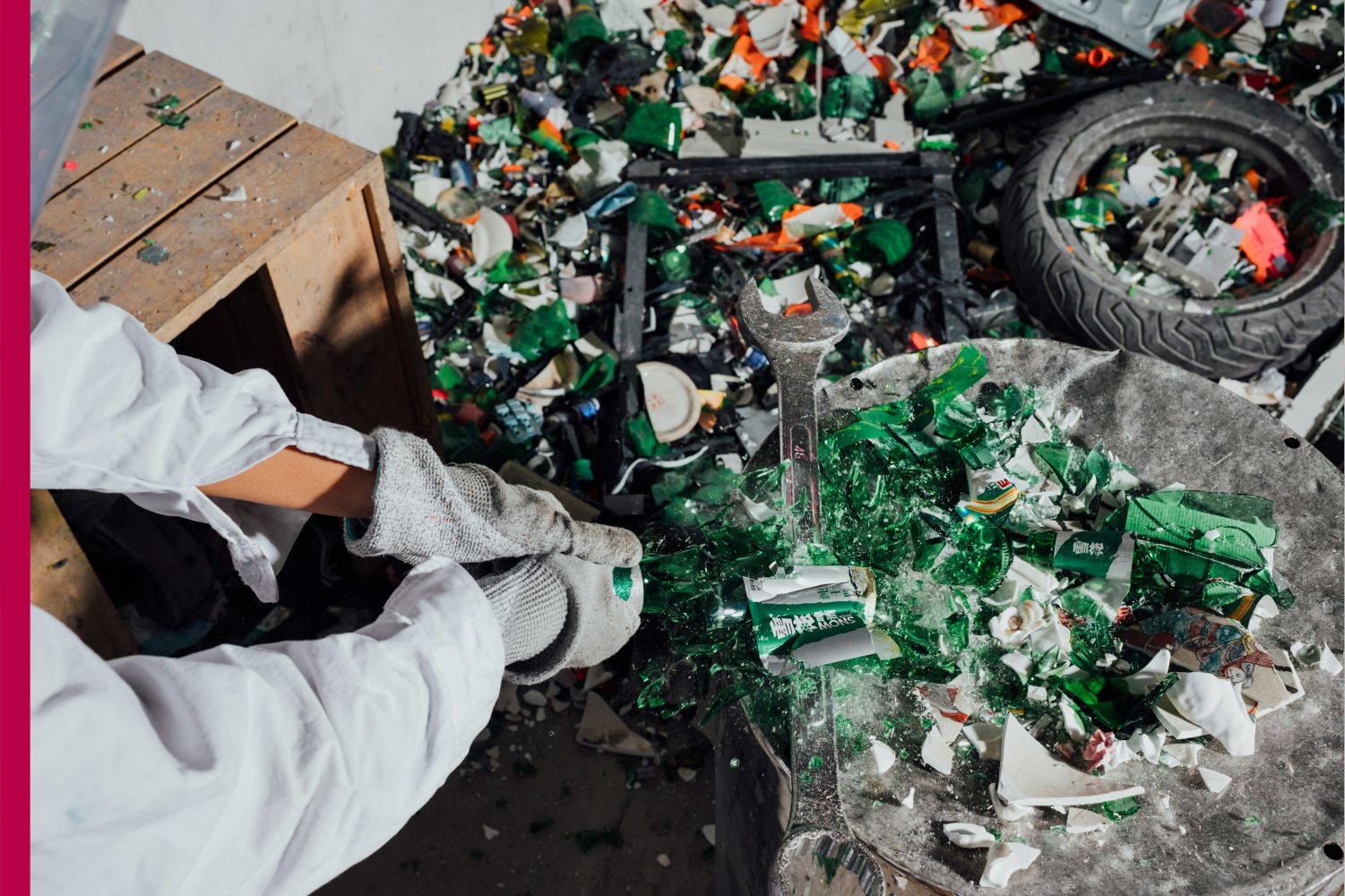
Another important aspect of circular business models is resource recovery. Companies are investing in systems that allow them to reclaim valuable materials from used products. This not only reduces dependence on raw materials but also lowers production costs. Industries such as electronics, automotive, and fashion are increasingly incorporating recycling and remanufacturing processes into their operations.
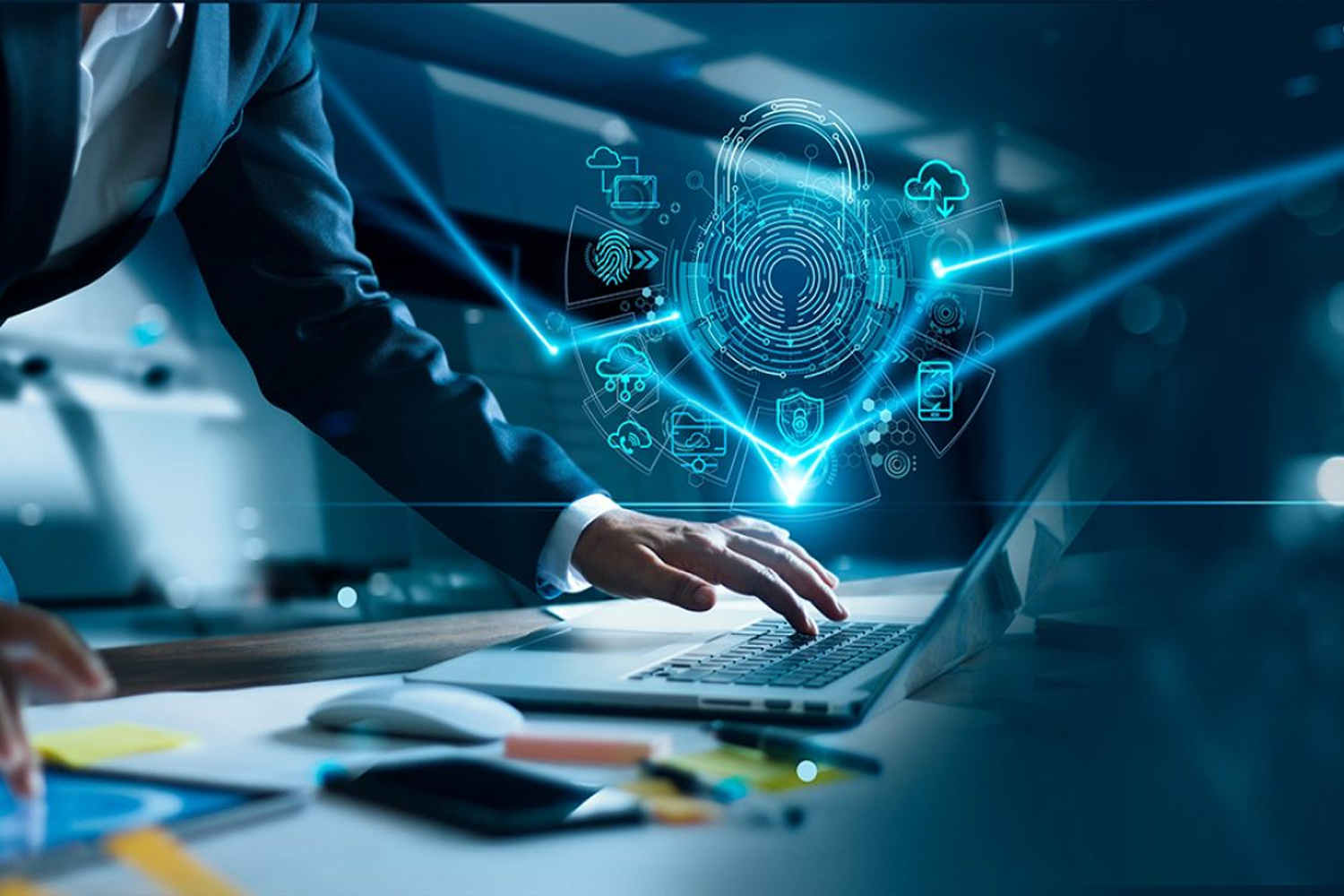
Technology is playing a crucial role in enabling the circular economy. Digital tools, data analytics, and supply chain tracking systems help businesses monitor product lifecycles and optimize resource use. These technologies improve transparency and ensure that materials are reused efficiently. Innovations in material science are also contributing to the development of sustainable and recyclable products.
In countries like India, the adoption of circular economy models is gaining momentum. Government initiatives, startup innovation, and growing awareness are encouraging businesses to move toward sustainable practices. Sectors such as waste management, manufacturing, and renewable energy are actively exploring circular solutions to address environmental challenges.

Despite its benefits, transitioning to a circular economy is not without challenges. High initial investment, lack of infrastructure, and limited awareness can slow down adoption. Businesses may also face difficulties in redesigning products and supply chains to align with circular principles. However, as technology advances and consumer demand grows, these barriers are gradually being addressed.
Collaboration is essential for the success of circular economy models. Businesses, governments, and consumers must work together to create an ecosystem that supports sustainability. Partnerships across industries can help share resources, knowledge, and infrastructure, accelerating the transition.
The economic benefits of circular models are equally compelling. By reducing waste and improving resource efficiency, businesses can lower costs and increase profitability. Additionally, circular practices can enhance brand reputation and attract environmentally conscious customers, providing a competitive advantage in the market.
In conclusion, the rise of circular economy business models represents a fundamental shift toward sustainable and responsible growth. By rethinking traditional practices and embracing innovation, businesses can reduce their environmental footprint while creating new opportunities for value creation. As awareness and adoption continue to grow, the circular economy is set to play a pivotal role in shaping a more sustainable future.