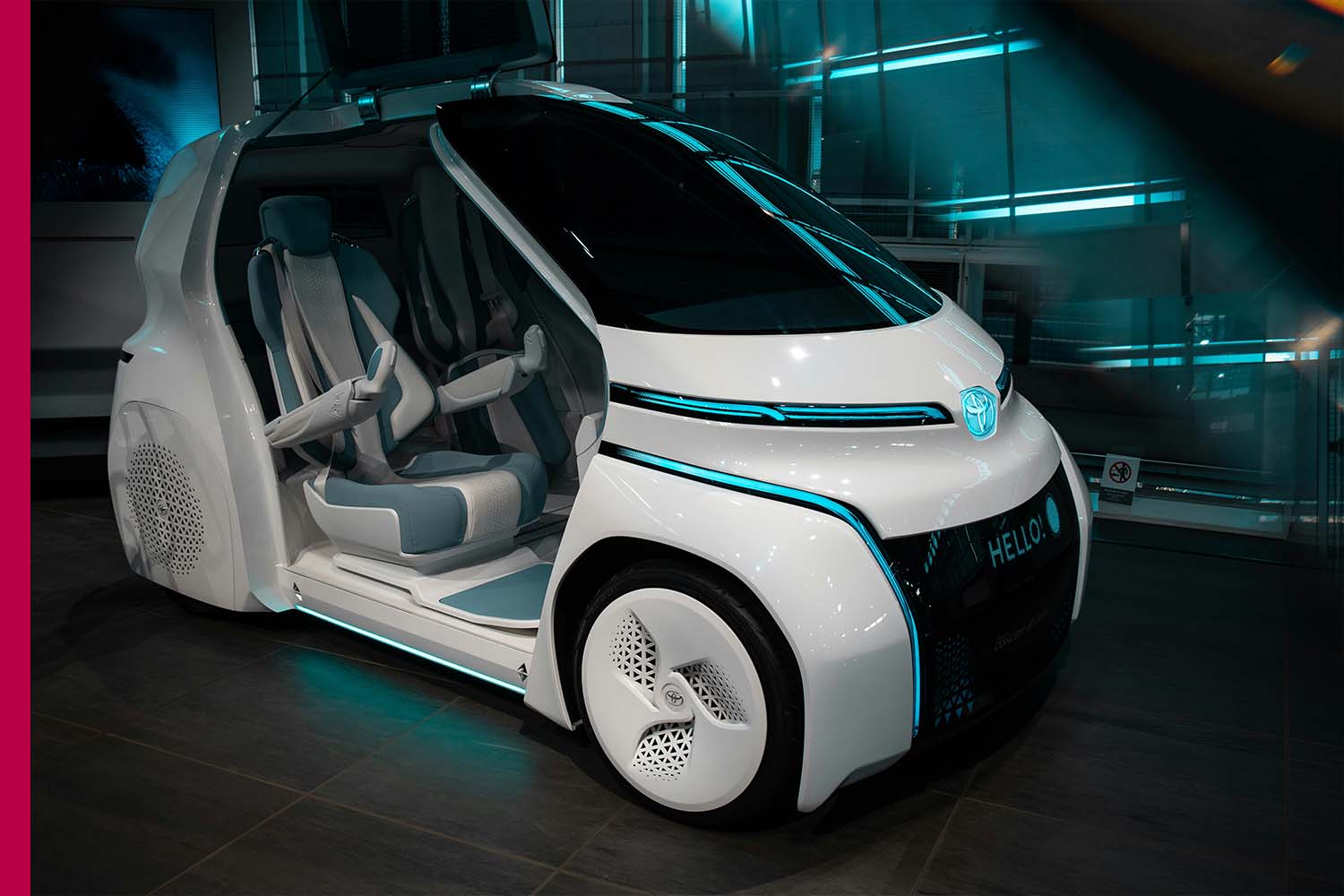




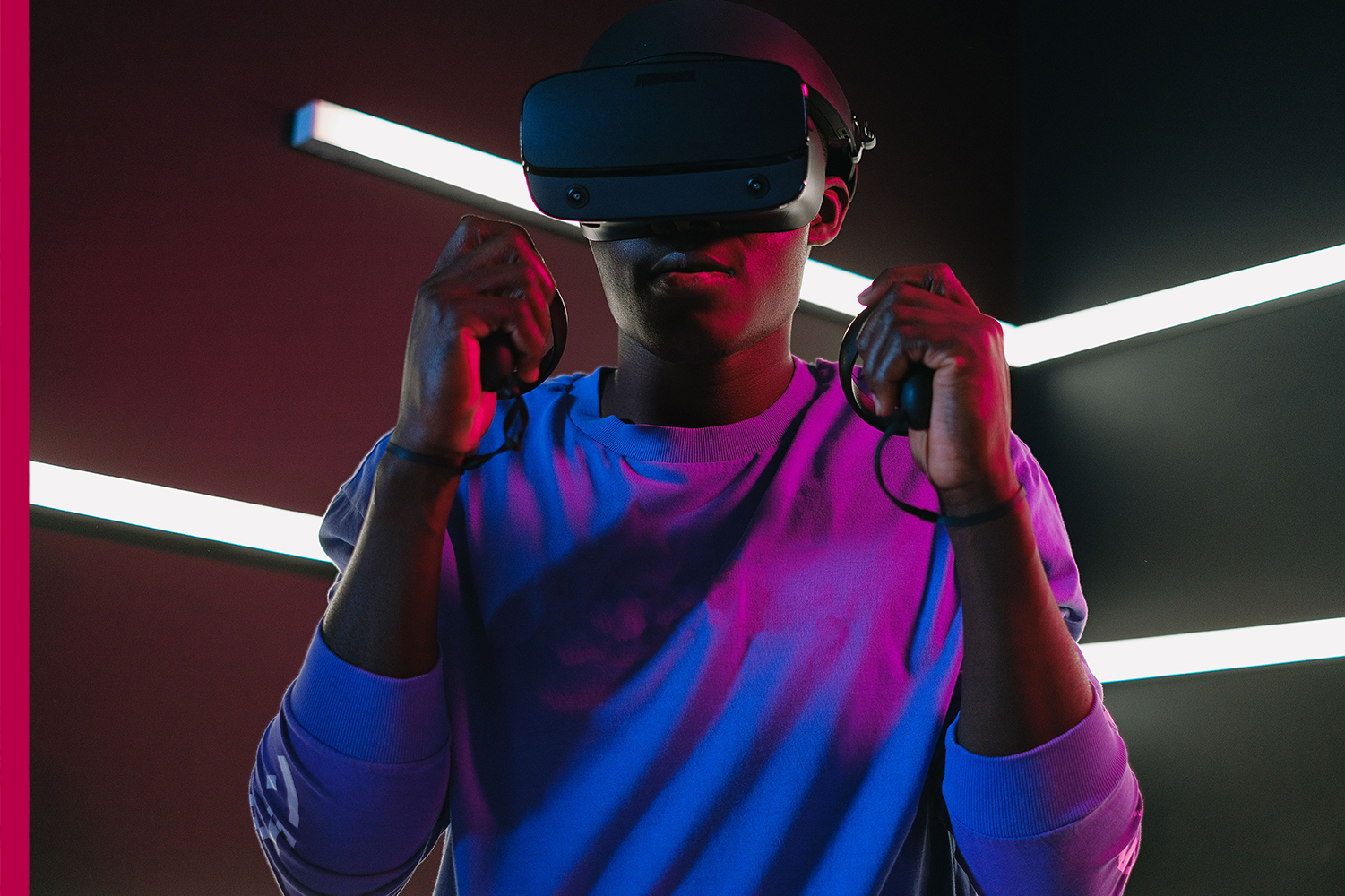
Every major transformation begins with a question. What if a process could be simpler? What if a material could perform better? What if a problem that has existed for generations could finally be approached differently? Innovation begins when people challenge existing assumptions and investigate possibilities that have not yet become practical realities.
Unlike routine improvement, innovation often requires experimentation under uncertainty. Researchers test hypotheses, entrepreneurs develop prototypes, engineers evaluate new systems, and organisations explore unfamiliar business models. Some experiments fail, others reveal unexpected lessons, and a small number become the foundation of significant change. This process is essential because meaningful progress rarely emerges from repeating established methods indefinitely.
Today, several emerging technologies are influencing the direction of innovation. Artificial intelligence is changing how information is processed and how complex tasks are approached. Robotics is expanding automation in manufacturing, agriculture, healthcare, and logistics. Biotechnology is opening new possibilities in medicine and biological research, while developments in energy storage and renewable power are supporting efforts to build more sustainable energy systems.
The importance of these developments lies not only in their technical capabilities but also in the problems they may help solve. A new agricultural technology becomes meaningful when it helps farmers manage resources more effectively. A medical breakthrough matters when it improves patient outcomes and can be delivered responsibly. An advanced manufacturing system creates value when it improves reliability, productivity, or safety.
Entrepreneurs play a distinctive role in bringing innovation into everyday life. Researchers may discover a promising technology, but turning that discovery into a useful product often requires business planning, investment, market research, distribution, and customer support. Start-ups can move quickly because they are willing to test ideas, while established companies can contribute capital, infrastructure, and large-scale operational experience.
However, innovation carries risks. New products may fail to meet expectations, technologies may introduce unintended consequences, and businesses may invest in solutions before understanding the needs of their customers. Responsible innovators evaluate evidence, seek feedback, and remain willing to revise their assumptions. Progress depends on learning as much as invention.
The future of innovation will also be shaped by the relationship between people and technology. Automation may reduce the need for certain routine activities, but new industries can create demand for different capabilities. Education systems will need to help learners develop analytical thinking, technical knowledge, communication, creativity, and adaptability. Workers will benefit from opportunities to update their skills throughout their careers.
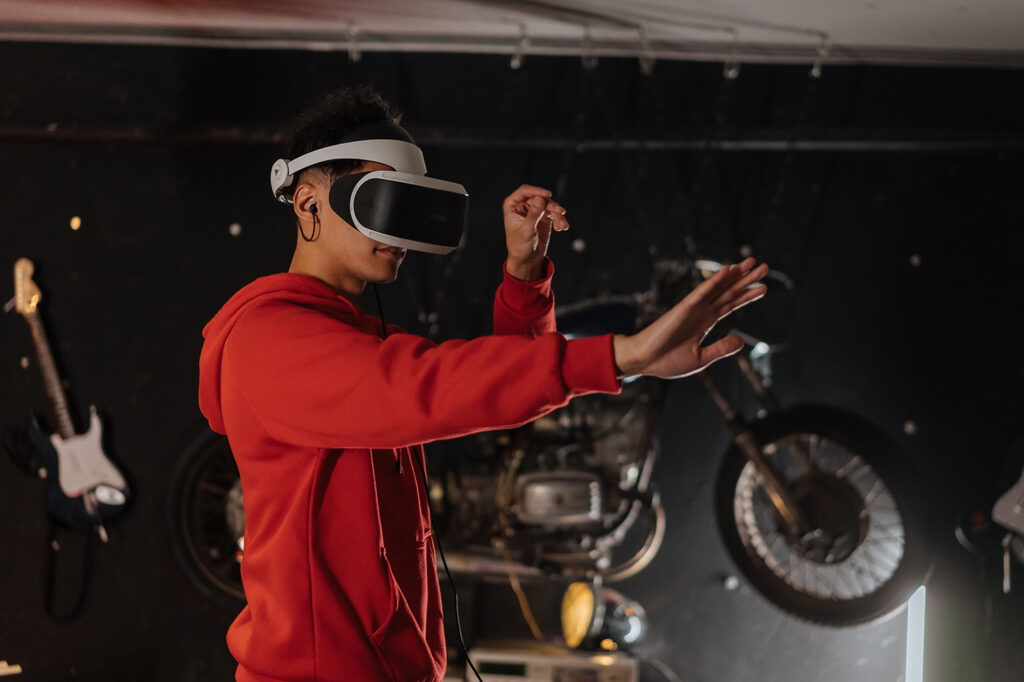
Ethics must remain part of the innovation process. Artificial intelligence raises questions about privacy, bias, accountability, and the ownership of creative work. Biotechnology requires careful consideration of safety and responsible research. Emerging energy and manufacturing technologies must be evaluated for their environmental and social consequences.
Another important development is collaborative innovation. Complex challenges such as climate change, disease prevention, food security, and urban development cannot be solved by one organisation alone. Universities, companies, public institutions, researchers, and communities can combine their expertise to develop more effective solutions.
Innovation also requires patience. Breakthroughs may take years of research, investment, and refinement before they become commercially viable. Public attention often focuses on the final achievement, overlooking the extensive work that made it possible.
The future will not be shaped by technology alone. It will be shaped by the choices people make about how discoveries are developed, shared, and applied. Innovation becomes transformative when imagination is supported by evidence, experimentation, and purpose. The next generation of industries will emerge from people willing to explore the unknown and turn promising possibilities into solutions that make a genuine difference.