





In the modern digital world, user experience has become one of the most important factors influencing the success of products, services, and businesses. As people increasingly interact with websites, mobile applications, software platforms, and digital services, the demand for high-quality User Interface (UI) and User Experience (UX) design continues to grow. Companies are realizing that attractive visuals alone are not enough; users expect digital experiences that are simple, efficient, personalized, and enjoyable.
UI (User Interface) focuses on the visual and interactive elements of a digital product, including layouts, colors, buttons, typography, icons, and overall design structure. UX (User Experience) focuses on the complete journey a user has while interacting with a product or service. Together, UI and UX determine how easily users can achieve their goals and how they feel about the overall experience.
One of the biggest reasons for the increasing demand for UI/UX professionals is the rapid growth of digital transformation. Businesses across industries are moving online, creating websites, mobile applications, and digital platforms to connect with customers. A well-designed interface helps businesses attract users, improve engagement, and build customer loyalty.
The rise of smartphones has significantly influenced UI/UX demand. People now expect mobile applications to be fast, intuitive, and easy to navigate. Whether it is online shopping, banking, healthcare, education, or entertainment, users prefer applications that provide smooth and convenient experiences. This has created a strong need for designers who can create mobile-friendly and user-centered solutions.
E-commerce growth is another major factor driving UI/UX demand. Online shoppers often make decisions based on the quality of their digital experience. A confusing website, slow navigation, or complicated checkout process can lead to customer loss. Businesses are investing in UX design to simplify customer journeys, increase conversions, and improve satisfaction.
The expansion of Artificial Intelligence (AI) and emerging technologies is also creating new opportunities in UI/UX design. AI-powered interfaces, voice assistants, chatbots, and personalized recommendations require thoughtful design approaches. UX professionals are helping create interactions that feel natural and user-friendly while balancing automation with human needs.
Accessibility has become an important part of modern UI/UX design. Businesses are focusing on creating digital experiences that can be used by people with different abilities. Inclusive design practices ensure that websites and applications are accessible to a wider audience. This focus on accessibility is increasing the demand for designers who understand user diversity and ethical design principles.
Data-driven design is another growing trend in the UI/UX industry. Companies are using analytics, user feedback, and behavioral data to understand how people interact with digital products. Designers use these insights to improve interfaces, solve usability problems, and create experiences that match user expectations.
The demand for UI/UX skills is expanding beyond technology companies. Industries such as healthcare, finance, education, travel, retail, and entertainment are adopting digital solutions and require skilled designers. Every organization that interacts with customers digitally needs effective UI/UX strategies to remain competitive.
The future of UI/UX design is moving toward personalization and immersive experiences. Technologies such as augmented reality (AR), virtual reality (VR), and wearable devices are creating new possibilities for interaction design. Designers will need to think beyond traditional screens and create experiences across multiple digital environments.
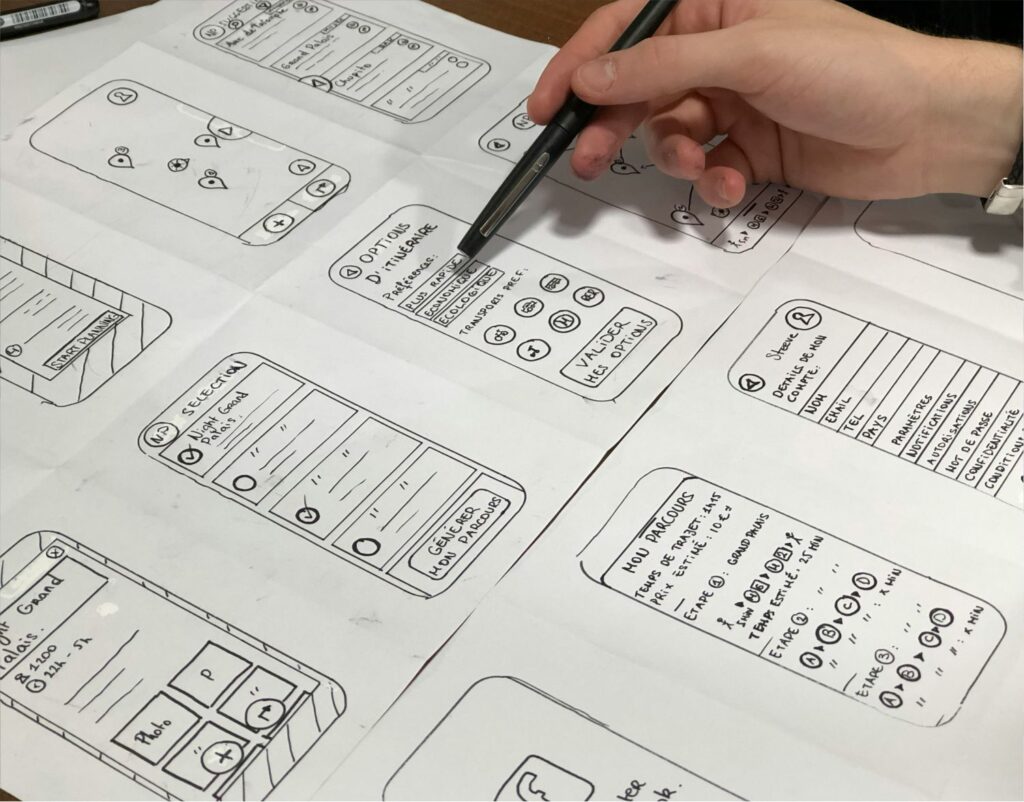
However, UI/UX design also faces challenges. Designers must balance business goals with user needs, maintain simplicity while adding advanced features, and adapt to rapidly changing technologies. Creating a successful digital experience requires continuous research, testing, and improvement.
Collaboration is another important aspect of UI/UX success. Designers work closely with developers, marketers, product managers, and business leaders to create solutions that are both functional and visually appealing. A strong design process involves understanding users, identifying problems, developing solutions, and improving based on feedback.
Organizations are increasingly recognizing that good UI/UX design is not just a creative investment but a business strategy. A positive user experience can increase customer retention, strengthen brand reputation, and create long-term value.
In conclusion, the demand for UI/UX design is growing as businesses compete to deliver better digital experiences. In a world where users have countless choices, companies that prioritize simplicity, accessibility, and user satisfaction gain a significant advantage. UI/UX professionals will continue to play a crucial role in shaping the future of digital interaction and creating meaningful connections between people and technology.