




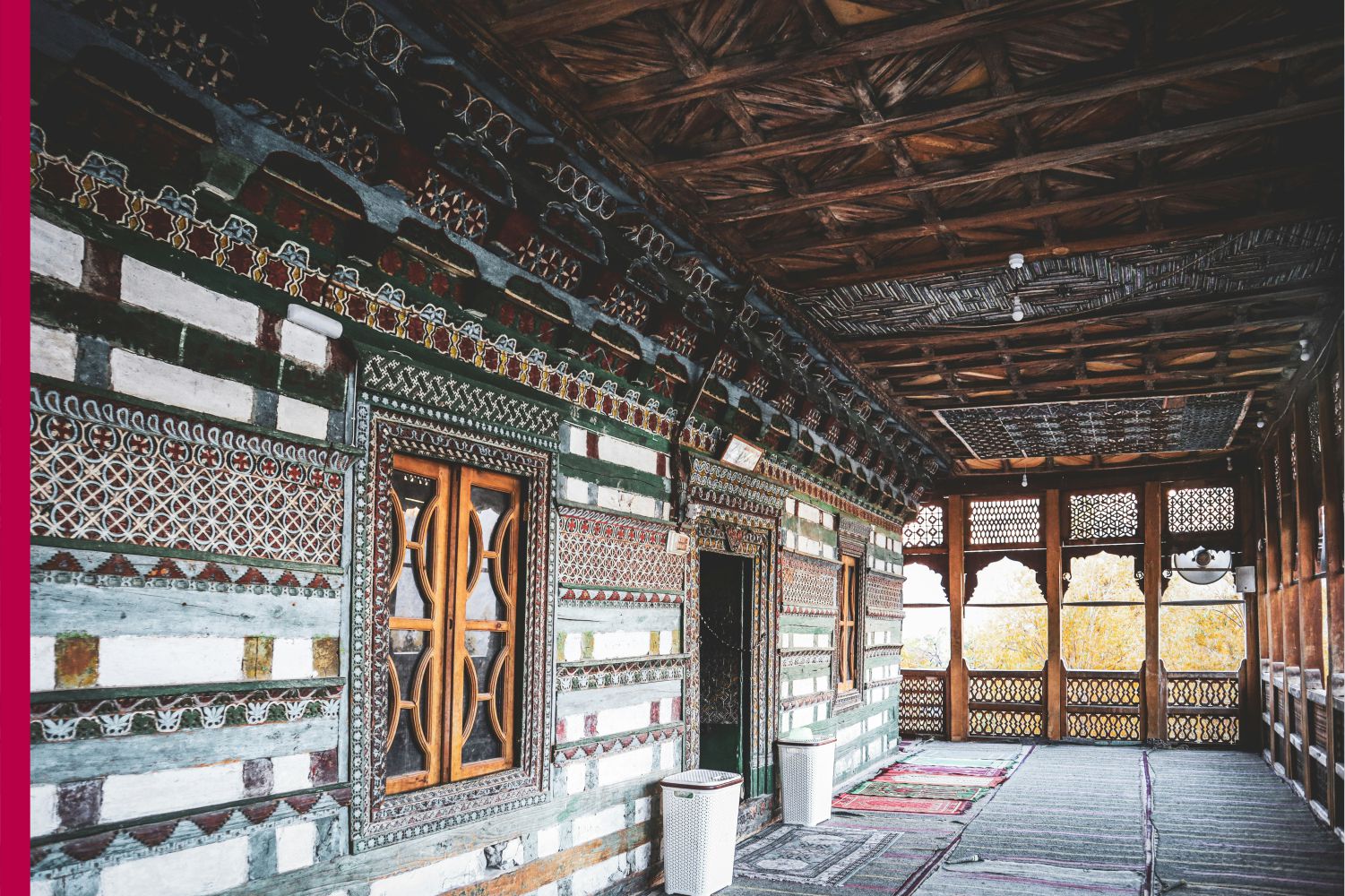
Cultural heritage plays a significant role in shaping modern society by preserving traditions, values, art forms, and historical identities passed down through generations. In today’s rapidly globalizing world, cultural heritage continues to influence modern lifestyles, fashion, architecture, entertainment, food, and creative industries in powerful ways. Rather than disappearing in the face of modernization, traditional cultures are increasingly being blended with contemporary trends, creating unique and meaningful expressions of identity and creativity.
One of the most visible influences of cultural heritage can be seen in fashion and design. Modern designers frequently draw inspiration from traditional textiles, embroidery, patterns, and regional craftsmanship to create contemporary clothing and accessories. Traditional garments and cultural motifs are now incorporated into global fashion collections, helping preserve artistic heritage while appealing to modern consumers. Handmade crafts, ethnic jewelry, and indigenous weaving techniques have gained popularity as people increasingly appreciate authenticity, sustainability, and cultural storytelling in fashion.
Architecture and interior design also reflect the influence of cultural heritage. Many modern buildings incorporate traditional design elements, materials, and artistic styles inspired by historical structures and local culture. Architects often combine contemporary technology with traditional aesthetics to create spaces that celebrate cultural identity while meeting modern needs. This fusion helps preserve historical character while promoting innovation and sustainable design practices.
Food culture is another area where heritage strongly influences modern lifestyles. Traditional recipes, cooking techniques, and regional ingredients continue to shape global culinary trends. Consumers increasingly seek authentic cultural food experiences, leading to the popularity of traditional cuisines, organic ingredients, and heritage cooking methods. Restaurants and food businesses often promote cultural storytelling through local dishes and traditional flavors, connecting people with history and community identity.
Cultural heritage also plays an important role in entertainment and media industries. Films, music, literature, and digital content frequently incorporate folklore, mythology, traditional art forms, and historical themes. Streaming platforms and social media have made it easier for local cultures to reach global audiences, increasing appreciation for cultural diversity. Traditional music instruments, dance forms, and storytelling styles are now being adapted into modern entertainment and creative projects.

Tourism is another major industry influenced by cultural heritage. Historical monuments, festivals, museums, traditional art, and cultural experiences attract millions of visitors worldwide. Heritage tourism not only supports economic development but also encourages the preservation of historical sites and traditional practices. Travelers increasingly seek authentic cultural experiences that allow them to connect with local communities and traditions.
Technology has further contributed to the preservation and promotion of cultural heritage. Digital archives, virtual museum tours, social media platforms, and online educational content help document and share traditional knowledge with younger generations. Artists and creators use digital tools to reinterpret traditional art forms in innovative ways, ensuring cultural traditions remain relevant in modern society.
At the same time, globalization presents challenges to cultural preservation. Rapid modernization, urbanization, and mass media can sometimes weaken traditional customs and local identities. Many communities face concerns about cultural appropriation, where traditional elements are used commercially without proper respect or understanding. Protecting cultural heritage requires responsible representation, education, and support for local artisans and cultural institutions.
In conclusion, cultural heritage continues to strongly influence modern lifestyles, creative industries, and global culture. By blending tradition with innovation, societies preserve their identities while adapting to contemporary trends and technologies. Cultural heritage not only connects people with their history but also inspires creativity, diversity, and meaningful expression in the modern world.