


The art world has evolved dramatically with the rise of digital technology, creating a growing conversation around handmade art versus digital art. Both forms of artistic expression have unique strengths, audiences, and market appeal. While handmade art carries traditional craftsmanship and emotional authenticity, digital art offers speed, innovation, and accessibility. Today’s consumers appreciate both styles, but their preferences often depend on purpose, emotional connection, convenience, and modern trends.
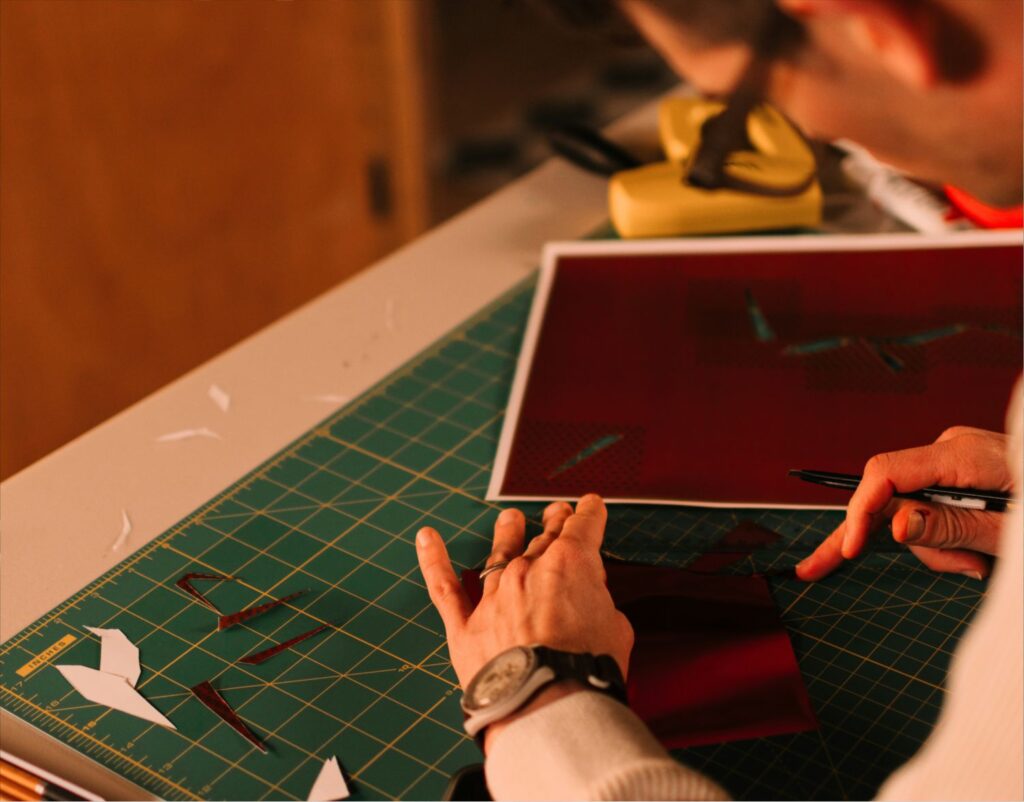
Handmade art has long been valued for its originality and personal touch. Paintings, sketches, sculptures, embroidery, and handcrafted illustrations reflect the artist’s physical effort, technique, and creativity. Every brushstroke or carved detail is unique, making handmade art feel authentic and emotionally rich. Consumers who appreciate tradition, craftsmanship, and exclusivity are often drawn to handmade works because they represent human skill and individuality.
One of the biggest advantages of handmade art is its tangible nature. Collectors and art lovers enjoy owning original pieces that carry texture, depth, and physical presence. Handmade art is commonly associated with luxury, heritage, and emotional value. Many consumers also support handmade artists because they value small businesses, local creativity, and cultural traditions. In markets such as home décor, custom portraits, handmade crafts, and fine art, traditional artistic methods continue to remain highly respected.
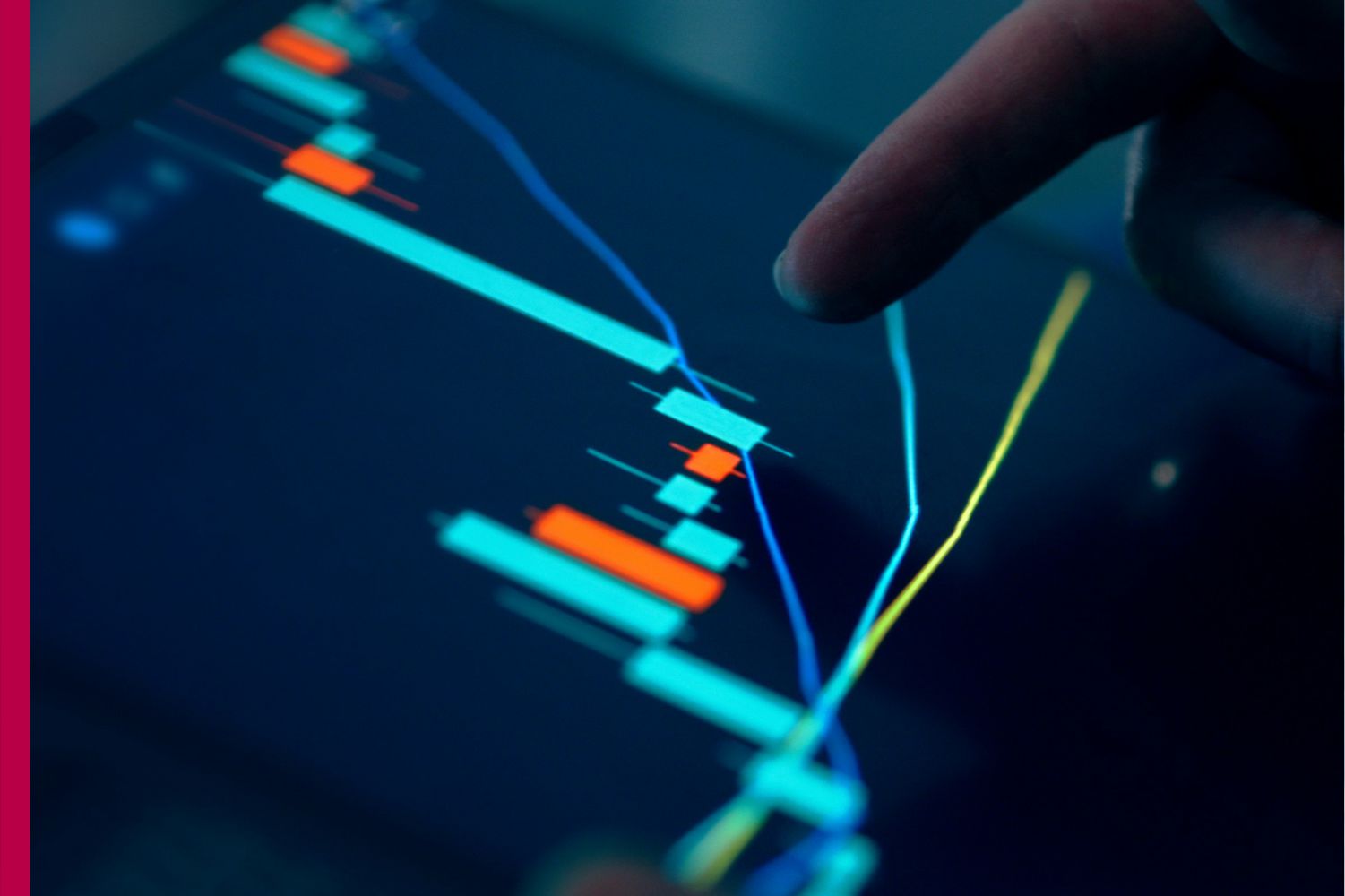
On the other hand, digital art has rapidly gained popularity due to technological advancement and changing consumer habits. Created using computers, tablets, and graphic software, digital art offers endless creative possibilities. Artists can experiment with colors, effects, layers, and editing tools more efficiently than with traditional methods. Digital art is widely used in advertising, gaming, animation, social media, branding, and entertainment industries.
One reason consumers increasingly prefer digital art is accessibility and affordability. Digital artworks can be reproduced, shared, and customized easily. Businesses and content creators often choose digital art because it can be quickly adapted for websites, marketing campaigns, videos, and online platforms. Social media has also helped digital artists gain global exposure, making digital art more mainstream and commercially successful.
Younger audiences, especially those active online, are more open to digital art forms such as NFTs, motion graphics, and digital illustrations. Modern consumers appreciate the convenience of purchasing downloadable artwork, personalized digital designs, and online creative content. The rise of virtual reality and AI-assisted design tools has further expanded interest in digital creativity.
However, many consumers still perceive handmade art as more emotionally valuable and authentic than digital creations. Handmade pieces often carry a sense of rarity and deeper artistic connection. In contrast, digital art can sometimes be viewed as easier to reproduce or less personal, although this perception is gradually changing as digital artists gain recognition for their creativity and technical skill.
Interestingly, today’s market is increasingly blending both worlds. Many artists combine traditional drawing techniques with digital editing tools to create hybrid artworks. Consumers now appreciate creativity itself rather than focusing solely on the medium used. The preference often depends on context—collectors may prefer handmade originals, while businesses and online audiences may favor digital formats.
In conclusion, both handmade and digital art hold strong positions in today’s creative economy. Handmade art continues to attract consumers seeking authenticity and craftsmanship, while digital art appeals to modern audiences looking for innovation and convenience. Rather than competing, both forms are evolving together, shaping a diverse and dynamic future for artistic expression.