




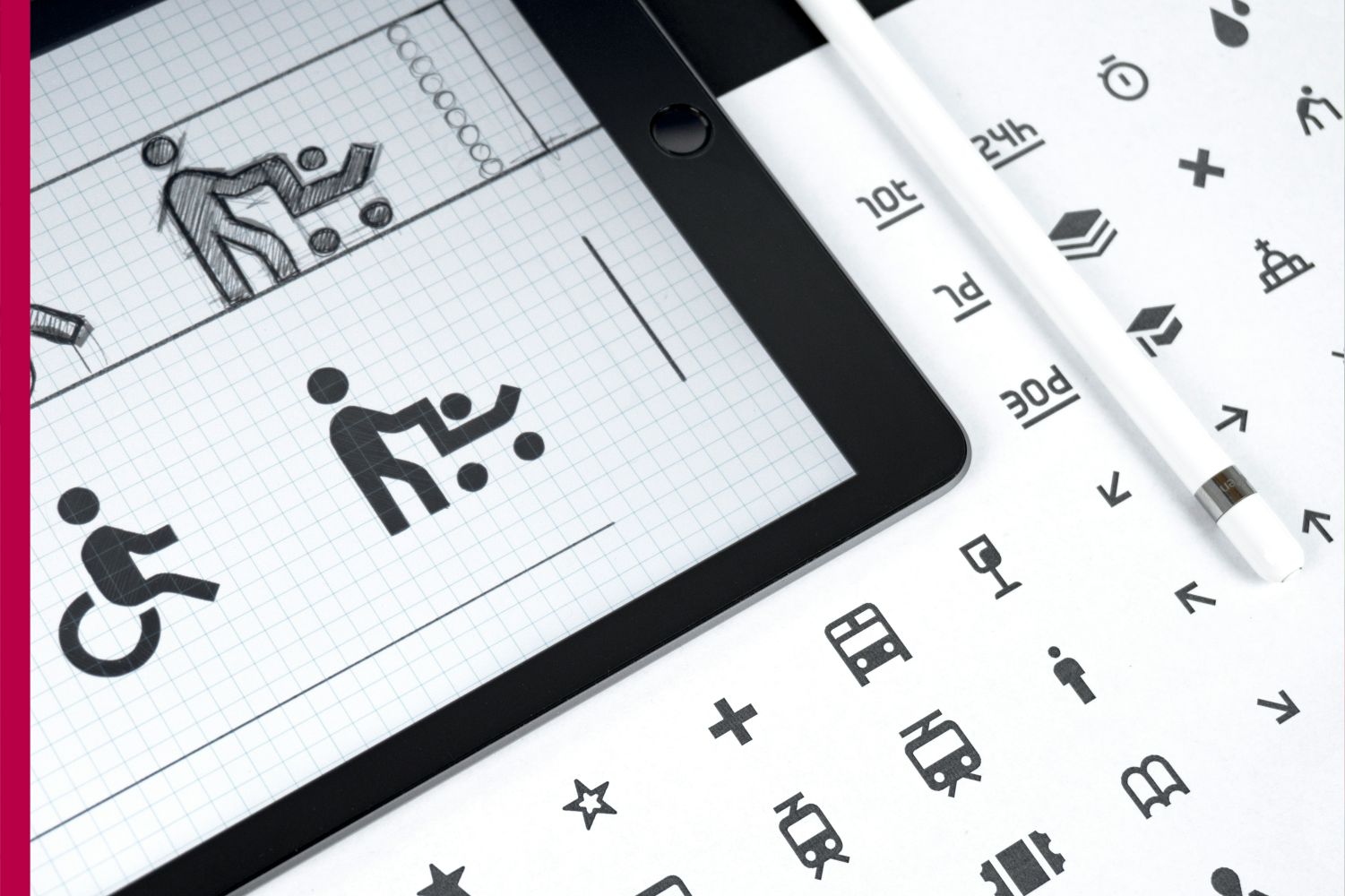
In today’s digital-first world, accessibility is no longer a niche consideration it is a fundamental aspect of good design. As technology becomes deeply integrated into everyday life, ensuring that digital products and services are accessible to all users, including those with disabilities, is both a moral responsibility and a strategic advantage. Designing for accessibility means creating inclusive experiences that allow everyone to interact with content, regardless of their abilities.
Accessibility in design refers to making websites, apps, and digital interfaces usable for people with visual, auditory, motor, or cognitive impairments. Standards such as the World Wide Web Consortium’s Web Content Accessibility Guidelines provide a framework for creating accessible digital experiences. These guidelines emphasize principles such as perceivability, operability, understandability, and robustness, ensuring that content can be accessed and used by a wide range of users.
One of the key reasons accessibility matters is inclusivity. Millions of people around the world live with some form of disability, and inaccessible design can exclude them from essential services such as education, healthcare, banking, and communication. By prioritizing accessibility, businesses and organizations can ensure equal access to information and opportunities, fostering a more inclusive society.
Beyond social responsibility, accessibility also offers significant business benefits. Accessible design improves user experience for everyone, not just those with disabilities. Features such as clear navigation, readable fonts, and well-structured content enhance usability for all users, including the elderly and those using different devices. Companies that invest in accessibility often see increased customer satisfaction, broader audience reach, and improved brand reputation.
Legal compliance is another important factor driving accessibility. Many countries have introduced regulations requiring digital platforms to meet accessibility standards. Failure to comply can result in legal consequences and reputational damage. In regions like India, awareness around digital accessibility is growing, and organizations are increasingly recognizing the importance of inclusive design.
Technology plays a crucial role in enabling accessibility. Tools such as screen readers, voice recognition software, and assistive devices help users interact with digital content. Designers must ensure that their products are compatible with these technologies. For example, providing alternative text for images allows screen readers to describe visual content to visually impaired users.
Another important aspect of accessible design is responsive and adaptive interfaces. With the increasing use of smartphones and tablets, users access content on a variety of devices. Designing flexible layouts that adjust to different screen sizes and input methods ensures a consistent and accessible experience across platforms.
Color contrast and typography are also critical elements. Poor contrast or overly complex fonts can make content difficult to read for users with visual impairments. Simple adjustments, such as using high-contrast color schemes and clear fonts, can significantly improve accessibility.

User testing is essential for effective accessibility design. Involving people with diverse abilities in the testing process helps identify real-world challenges and ensures that solutions are practical and effective. Continuous feedback and iteration are key to maintaining accessibility standards.
Despite its importance, accessibility is often overlooked due to misconceptions about cost and complexity. However, integrating accessibility from the beginning of the design process is more efficient and cost-effective than making changes later. It also demonstrates a commitment to inclusivity and innovation.
Looking ahead, accessibility will become even more important as digital transformation continues to accelerate. Emerging technologies such as artificial intelligence and augmented reality offer new opportunities to enhance accessibility, but they also require careful design to ensure inclusivity.
In conclusion, designing for accessibility is not just about meeting guidelines—it is about creating meaningful and inclusive experiences for all users. By prioritizing accessibility, businesses can drive innovation, expand their reach, and contribute to a more equitable digital world. As awareness grows, accessible design will become a standard practice, shaping the future of user-centered technology.