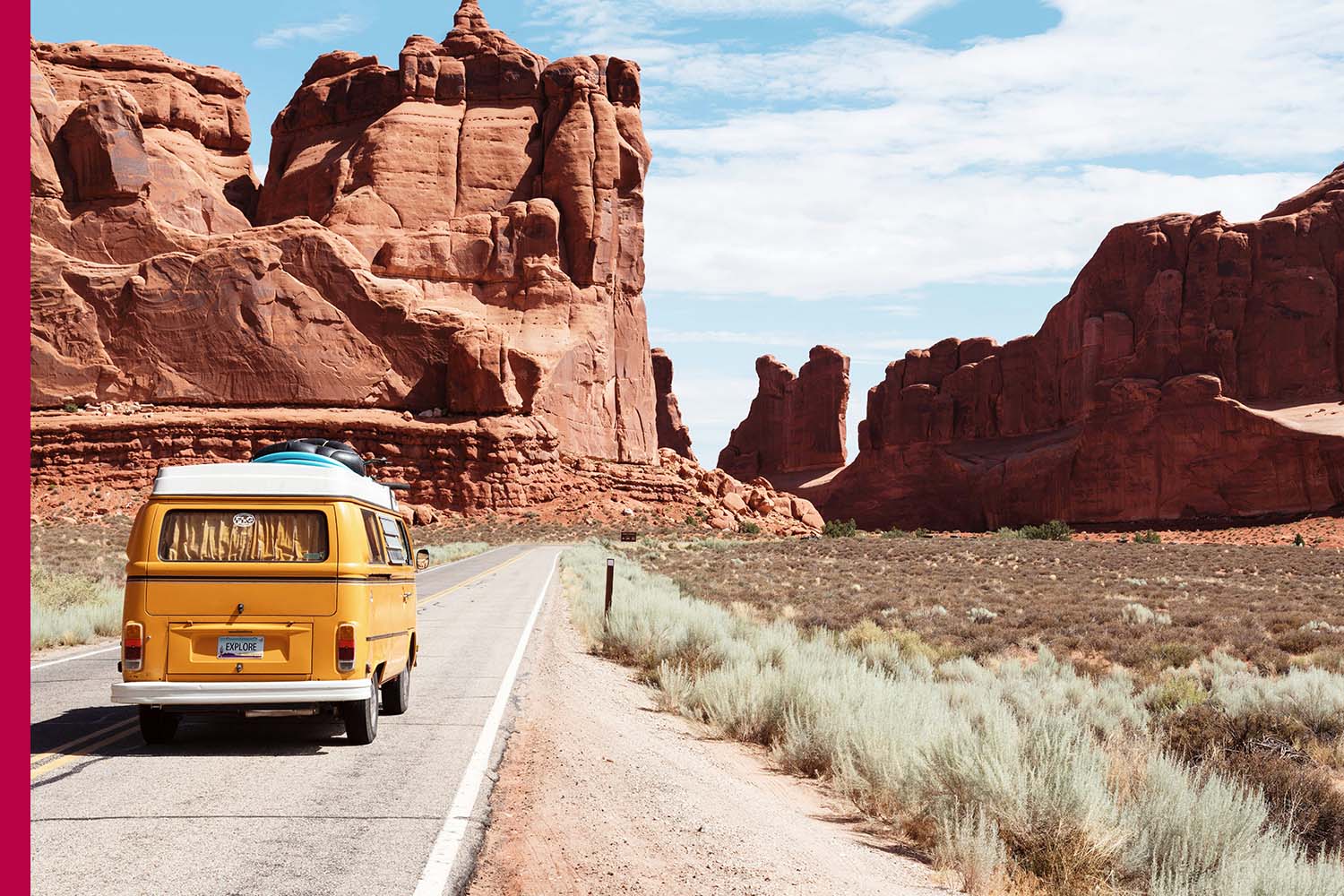





Travel has always represented more than movement from one place to another. It is an opportunity to explore unfamiliar environments, encounter different cultures, challenge personal assumptions, and discover new possibilities. In a rapidly changing world, the meaning of travel continues to evolve as technology, lifestyle preferences, and global connectivity reshape how people experience journeys.
Modern travellers have access to an extraordinary range of destinations and travel options. Digital platforms make it easier to compare accommodation, discover attractions, arrange transportation, and plan itineraries. Online communities and travel creators provide inspiration, while mobile applications help travellers navigate unfamiliar cities and communicate across language barriers. These developments have made independent travel more accessible to people who previously found international or long-distance journeys difficult to organise.
One important trend is the growing popularity of personalised travel. Instead of following standard itineraries, many travellers now design journeys around their individual interests. Some seek adventure through trekking, diving, and outdoor exploration. Others prioritise food, architecture, history, wellness, or cultural immersion. The result is a travel landscape in which personal preferences increasingly shape the journey.
Another significant development is the rise of slow travel. Rather than visiting numerous destinations within a limited period, slow travellers spend more time understanding one location. They explore neighbourhoods, support local businesses, use regional transportation, and develop a stronger connection with the places they visit. This approach can create richer experiences while reducing the pressure associated with rushed itineraries.
Work and lifestyle changes have also influenced travel habits. Remote and hybrid working arrangements have encouraged some professionals to combine employment with extended stays in other locations. This has contributed to interest in workations, longer-term accommodation, and destinations that offer reliable connectivity alongside attractive living environments. For businesses serving travellers, understanding these changing needs creates opportunities to develop flexible services and more personalised experiences.
Responsible travel is becoming increasingly important as travellers consider the environmental and social consequences of their choices. Supporting local accommodation providers, respecting cultural traditions, reducing waste, and choosing responsible wildlife experiences can help make travel more considerate. Travellers also play a role in protecting destinations by following local regulations and recognising that popular locations are living communities rather than merely attractions.
Despite these opportunities, travel continues to involve challenges. Rising costs, changing entry requirements, transport disruptions, accessibility limitations, and uncertainty can affect the planning process. Travellers benefit from researching destinations carefully, understanding insurance coverage, keeping important documents secure, and allowing flexibility in their schedules.
Travel also offers benefits that cannot be measured solely through distance or expense. Exposure to different cultures can strengthen empathy, encourage curiosity, and improve adaptability. Navigating unfamiliar situations helps people become more resourceful, while meaningful encounters can create friendships and broaden professional networks.

For businesses, travel remains a powerful connection between people, markets, and ideas. Conferences, cultural exchanges, educational visits, and professional events allow individuals to share knowledge and build relationships across borders.
Ultimately, the value of travel is not determined by the number of countries visited or photographs collected. It lies in the perspectives gained, the experiences remembered, and the understanding developed along the way.
As the world becomes more connected, meaningful travel will depend on balancing convenience with curiosity, exploration with responsibility, and ambition with appreciation.
The most rewarding journeys do more than change our surroundings. They change the way we see the world.