




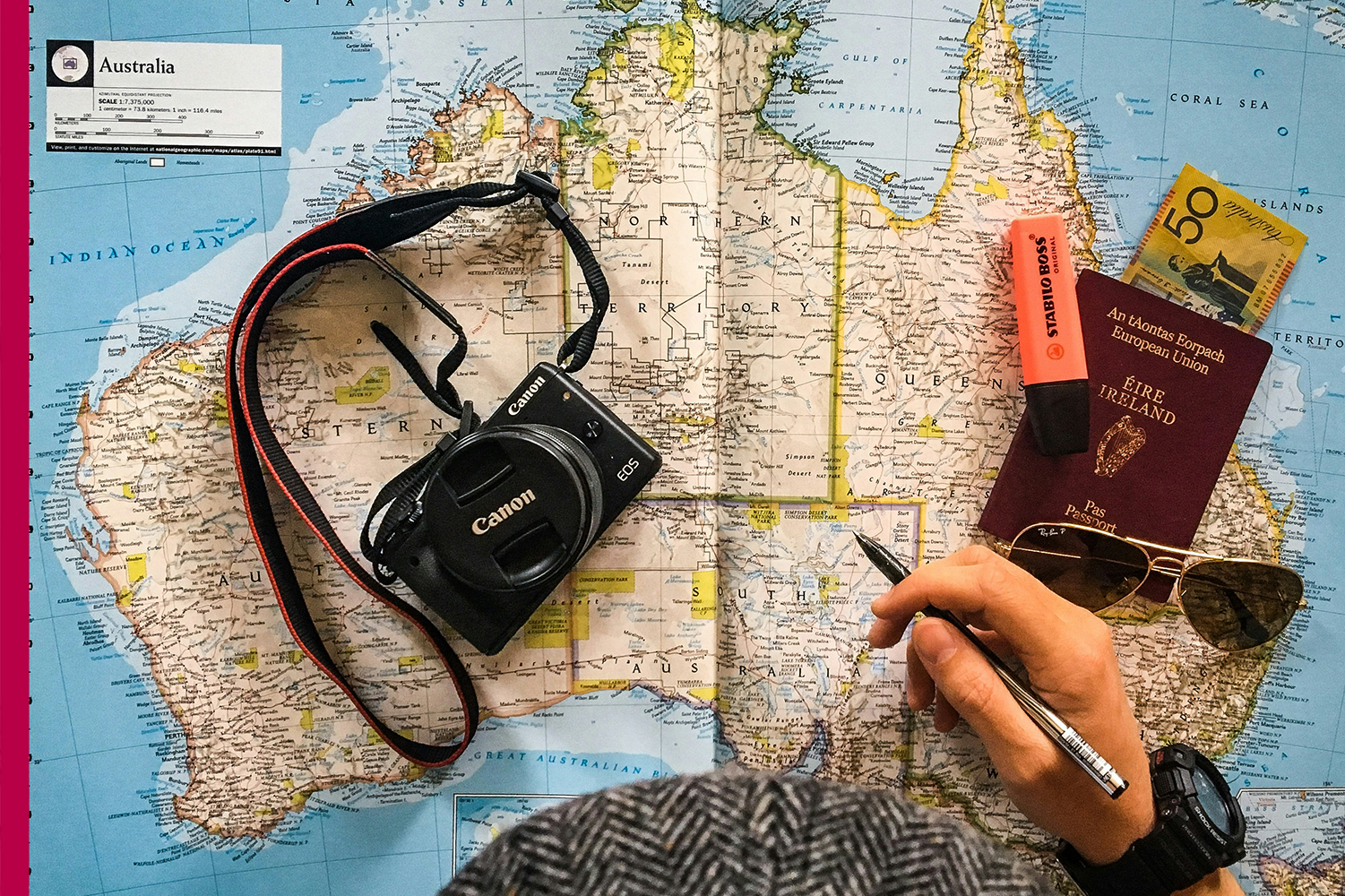
Traveling is one of the most enriching experiences that allows people to explore new places, discover cultures, meet different communities, and create lifelong memories. Whether it is a short domestic trip or an international adventure, safety should always remain a priority. Proper planning, awareness, and responsible decisions can help travelers avoid unnecessary risks and enjoy a smooth journey.
Travel safety does not mean limiting experiences or avoiding exploration. Instead, it involves being prepared, understanding your surroundings, and taking smart precautions. With the right approach, travelers can confidently explore new destinations while protecting their health, belongings, and personal well-being.
One of the most important travel safety tips is proper planning before the journey begins. Researching the destination helps travelers understand local customs, weather conditions, transportation options, and potential challenges. Knowing important information about the location allows travelers to make informed decisions and avoid unexpected difficulties.
Keeping important documents safe is another essential part of travel preparation. Passports, identification documents, tickets, insurance details, and emergency contacts should always be stored securely. It is helpful to keep digital copies of important documents in a safe online location in case the originals are lost or stolen. Organizing documents before departure reduces stress during the trip.
Personal belongings require extra attention while traveling. Crowded places such as airports, markets, and public transportation areas can increase the risk of theft. Travelers should avoid carrying unnecessary valuables and keep important items such as wallets, phones, and passports in secure locations. Using bags with strong zippers and staying aware of surroundings can help prevent loss.
Health and hygiene are also important aspects of travel safety. Travelers should carry basic medical supplies, stay hydrated, and maintain good hygiene practices. Depending on the destination, it may be necessary to learn about local health conditions and take suitable precautions. Eating safe food and drinking clean water can help prevent health issues during travel.
Transportation safety is another area that requires attention. Travelers should choose reliable transportation services and avoid unsafe travel options. When using public transportation, it is important to remain alert and follow local safety guidelines. For road trips, checking vehicle conditions and following traffic rules can reduce risks.
Staying connected is essential when traveling, especially in unfamiliar places. Informing family members or trusted friends about travel plans provides an additional layer of safety. Having access to a working phone, internet connection, and emergency contact information can be extremely helpful during unexpected situations.
Understanding local laws and customs is another important travel safety practice. Different destinations may have different rules, traditions, and social expectations. Respecting local culture and following regulations helps travelers avoid conflicts and ensures a more positive experience. Learning basic local phrases can also improve communication and build friendly connections.
Financial safety should not be ignored while traveling. Carrying multiple payment options, avoiding unsafe transactions, and monitoring financial accounts can protect travelers from fraud. It is better to keep some emergency cash available while avoiding carrying large amounts of money in one place.
Travel insurance is a valuable safety measure that many travelers overlook. Unexpected situations such as medical emergencies, trip cancellations, lost baggage, or delays can create financial challenges. Travel insurance provides support during such circumstances and offers peace of mind.
Solo travelers should take additional precautions. Sharing travel plans with trusted people, avoiding isolated areas at unsafe times, and staying aware of surroundings are important habits. Meeting new people can be part of the travel experience, but maintaining personal boundaries and using good judgment is essential.
Technology has become a useful tool for safer travel. Navigation apps, translation tools, emergency alerts, and travel planning applications help travelers make better decisions. However, travelers should also protect their digital security by using strong passwords and avoiding unsafe public networks.
Being prepared for emergencies is another key aspect of travel safety. Knowing emergency numbers, locating nearby hospitals or assistance centers, and having a basic emergency plan can make a major difference during unexpected situations.
Responsible travel also includes respecting the environment and local communities. Avoiding unsafe activities, protecting natural areas, and following responsible tourism practices contribute to safer and more sustainable travel experiences.
In conclusion, travel safety is about preparation, awareness, and responsible choices. By planning ahead, protecting personal information, taking care of health, and respecting local environments, travelers can enjoy meaningful experiences with greater confidence. A safe journey creates the foundation for unforgettable memories and allows people to explore the world with peace of mind.