


Telecommunication has become an essential part of modern life, connecting people, businesses, governments, and communities through voice, data, and internet services. While urban areas have witnessed rapid advancements in digital infrastructure, many rural regions still face challenges in accessing reliable telecommunications services. Rural telecom connectivity has therefore become a critical priority for governments, telecom operators, and technology providers seeking to bridge the digital divide and promote inclusive economic and social development.
Rural telecom connectivity refers to the availability of reliable mobile networks, internet services, broadband infrastructure, and digital communication technologies in villages and remote areas. Strong telecom networks empower rural communities by providing access to education, healthcare, financial services, government programs, and business opportunities. As digital technologies become increasingly integrated into everyday life, expanding connectivity to underserved regions is essential for achieving balanced national development.
One of the primary benefits of rural telecom connectivity is improved access to education. High-speed internet enables students in remote areas to participate in online learning, access digital libraries, and attend virtual classrooms. Educational institutions can deliver quality content beyond geographical boundaries, helping bridge educational gaps between urban and rural communities. Digital learning platforms also provide opportunities for skill development and lifelong learning.
Healthcare services are also being transformed through improved telecom infrastructure. Telemedicine allows patients in rural areas to consult doctors remotely, reducing the need for long-distance travel. Healthcare professionals can monitor patients, share medical records, and provide timely advice through digital communication platforms. Reliable internet connectivity supports better healthcare delivery, especially in areas with limited medical facilities.
The agricultural sector benefits significantly from rural telecom expansion. Farmers can access weather forecasts, market prices, government schemes, and modern farming techniques through mobile applications and online platforms. Digital communication helps farmers make informed decisions, improve productivity, and connect directly with buyers, reducing dependence on intermediaries. Smart farming technologies powered by the Internet of Things (IoT) also rely on stable connectivity for efficient resource management.
Financial inclusion is another major advantage of rural telecom connectivity. Mobile banking, digital payment systems, and online financial services enable rural populations to access banking without visiting distant branches. Digital financial platforms support secure transactions, savings, insurance, and credit services, helping promote economic empowerment and entrepreneurship.
Small businesses and local entrepreneurs also benefit from improved telecom infrastructure. Internet connectivity allows businesses to market products online, reach wider customer bases, manage digital payments, and participate in e-commerce platforms. Rural enterprises can expand beyond local markets, creating new income opportunities and contributing to regional economic growth.
Governments increasingly rely on digital platforms to deliver public services. Rural telecom connectivity enables citizens to access government schemes, apply for official documents, receive subsidies, and participate in digital governance initiatives. Improved communication infrastructure strengthens transparency, administrative efficiency, and citizen engagement.
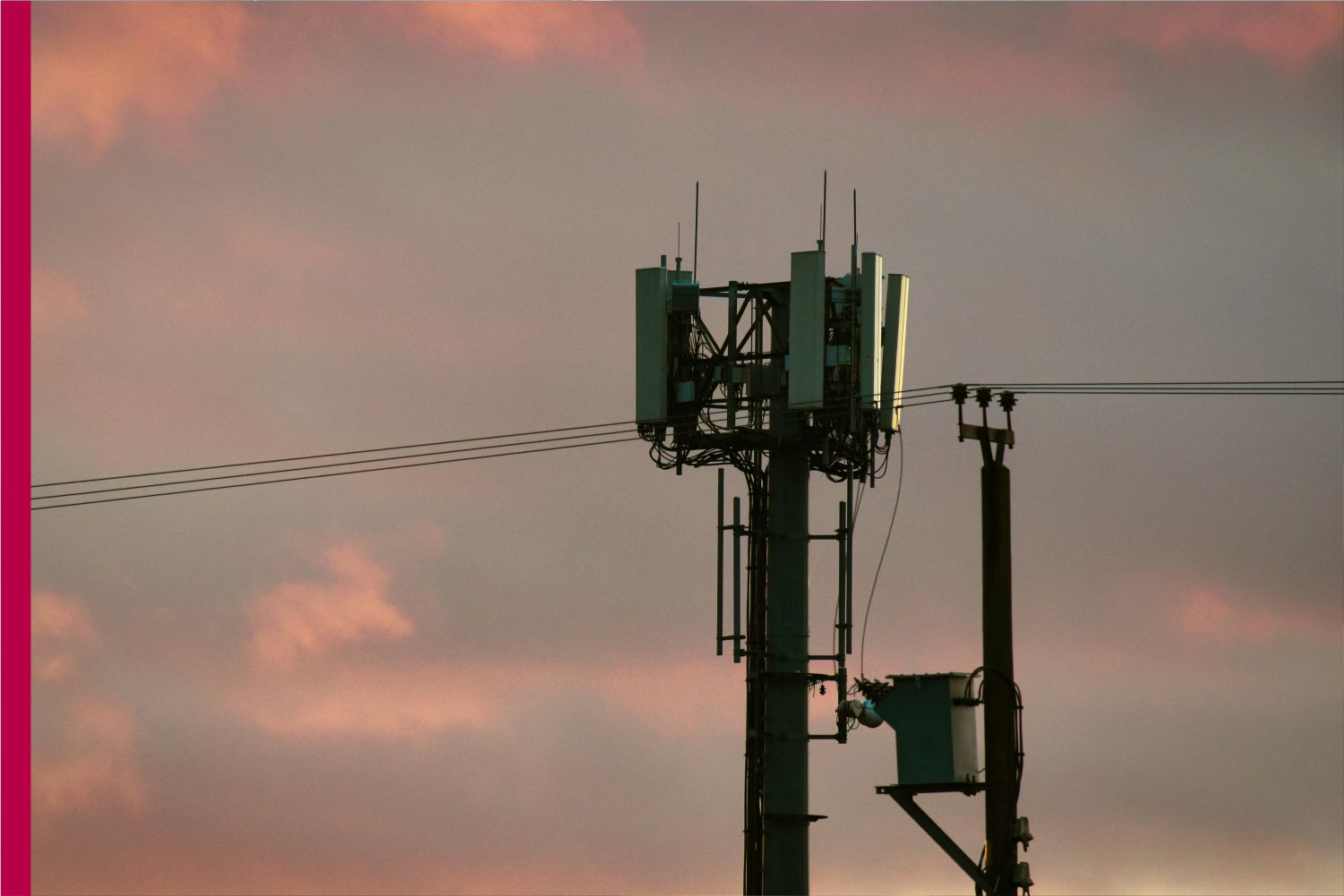
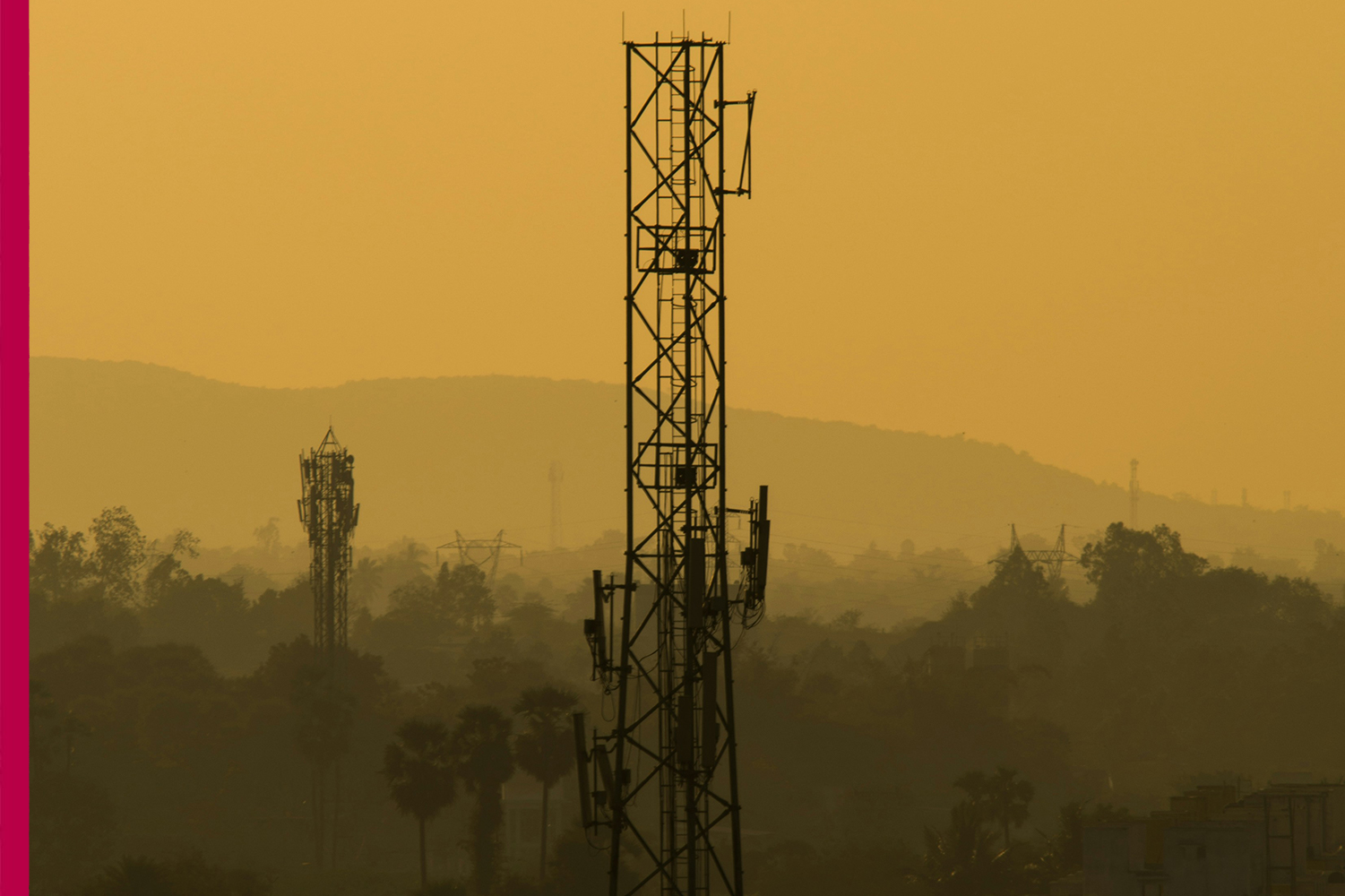
Despite these benefits, expanding telecom networks in rural areas presents several challenges. Geographic barriers, difficult terrain, low population density, and high infrastructure costs often discourage investment. Building mobile towers, laying fiber-optic cables, and maintaining network equipment in remote regions require substantial financial resources and technical expertise.
Power supply limitations can also affect telecom operations in rural communities. Reliable electricity is necessary to operate communication infrastructure. Many telecom providers are addressing this challenge by adopting renewable energy solutions such as solar-powered telecom towers, reducing operational costs while improving sustainability.
Technological innovations are helping overcome many rural connectivity challenges. Satellite internet services, wireless broadband, 5G expansion, and low-cost network equipment are making remote connectivity more feasible. These technologies reduce infrastructure barriers and provide reliable internet access in previously underserved locations.
Public-private partnerships play a crucial role in expanding rural telecom connectivity. Governments often collaborate with telecom companies to provide incentives, infrastructure support, and funding for rural network development. Universal service initiatives and digital inclusion programs encourage investment in regions where commercial returns may initially be limited.
Looking ahead, rural telecom connectivity will become increasingly important as digital transformation accelerates across all sectors. Emerging technologies such as artificial intelligence, smart agriculture, remote education, digital healthcare, and e-governance will depend on reliable communication networks. Expanding broadband access will empower rural communities to participate fully in the digital economy.
In conclusion, rural telecom connectivity is far more than providing mobile signals or internet access—it is about creating opportunities for education, healthcare, agriculture, business, and social inclusion. By investing in modern telecom infrastructure, embracing innovative technologies, and fostering collaboration between governments and industry, nations can bridge the digital divide and ensure that rural communities benefit equally from the opportunities of the digital age. Strong rural connectivity will be a key driver of inclusive growth, economic development, and sustainable progress in the years ahead.