



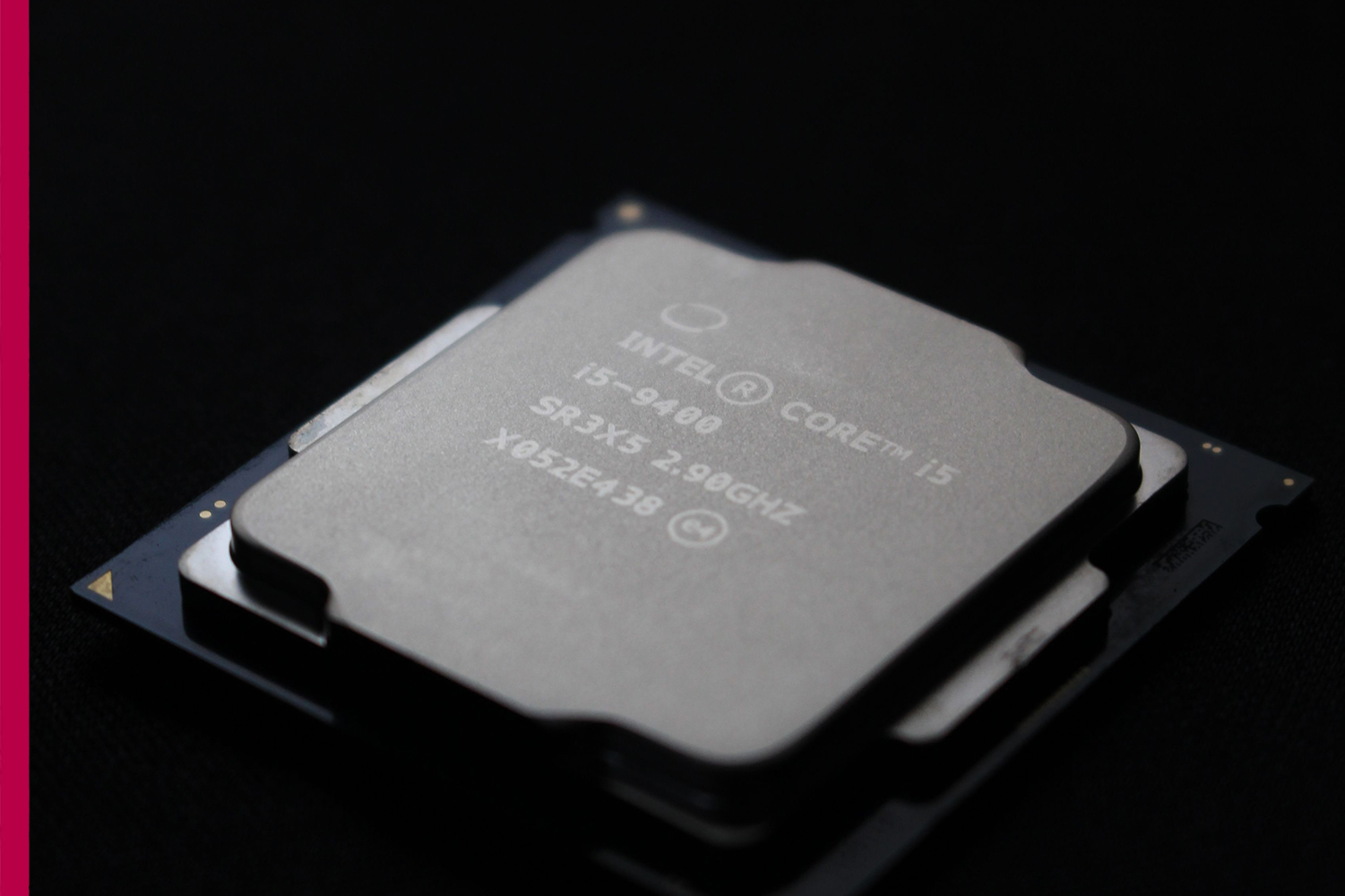




Artificial intelligence has become one of the most important forces shaping the global technology economy. But behind the rapid development of AI models is a less visible competition: the race to control advanced semiconductors, computing infrastructure and access to powerful data-centre processors.
Recent developments involving Nvidia and China have brought this issue back into focus. On November 25, 2026, Reuters reported that Nvidia CEO Jensen Huang’s reinstatement had intensified debate in Washington over whether advanced AI chips should be sold to Chinese companies.
The wider dispute reflects a difficult policy question. Some argue that allowing American companies to sell advanced processors to China could help preserve US commercial influence and keep Chinese technology businesses connected to American hardware. Others warn that access to powerful chips could strengthen China’s domestic AI and military capabilities.
The issue has become more complicated because technology supply chains are international. Advanced processors depend on specialised manufacturing, chip-design software, semiconductor equipment, packaging technologies and materials sourced from different countries. Restrictions affecting one part of this network can influence companies across several continents.
Nvidia’s own shipping situation illustrates the uncertainty. Reuters reported on November 18 that the company had stopped shipping US-licensed Hopper data-centre chips to China. The company did not confirm whether the halt would be permanent. The report also described licensed products worth $2.4 billion sold during the quarter ended October 25, showing the commercial scale of the market.
The technology industry is therefore navigating a changing regulatory environment. Companies must consider export licences, national-security rules, local manufacturing strategies and the possibility of future restrictions when planning major investments.
Financial markets are also reacting to the uncertainty surrounding AI. On November 25, global stocks fell as reports of potential new US tariffs on imports from 16 trading partners weighed on investor sentiment. A technology-sector rally also faded, with Nvidia and Anthropic shares retreating. Analysts cited concerns that higher interest rates could make financing the AI infrastructure boom more difficult.
This does not necessarily mean that investment in artificial intelligence is slowing permanently. Rather, it highlights the difference between long-term technological potential and the short-term financial risks associated with rapid expansion.
For businesses, access to computing capacity is becoming a strategic consideration. Companies developing AI products need reliable access to processors, cloud infrastructure and specialised talent. Governments, meanwhile, are investing in domestic semiconductor capabilities to reduce dependence on external suppliers.
The competition is also creating opportunities for countries and companies that can contribute to the wider semiconductor ecosystem. Advanced packaging, chip testing, cooling systems, data-centre construction and energy infrastructure are becoming increasingly important parts of the AI economy.
The global AI race is no longer simply about who builds the most impressive software. It is also about who controls the hardware, manufacturing networks, energy resources and regulatory frameworks that make advanced computing possible.
As artificial intelligence becomes embedded in business and public services, the ability to secure reliable and affordable computing infrastructure may become one of the defining advantages of the next technology era.