
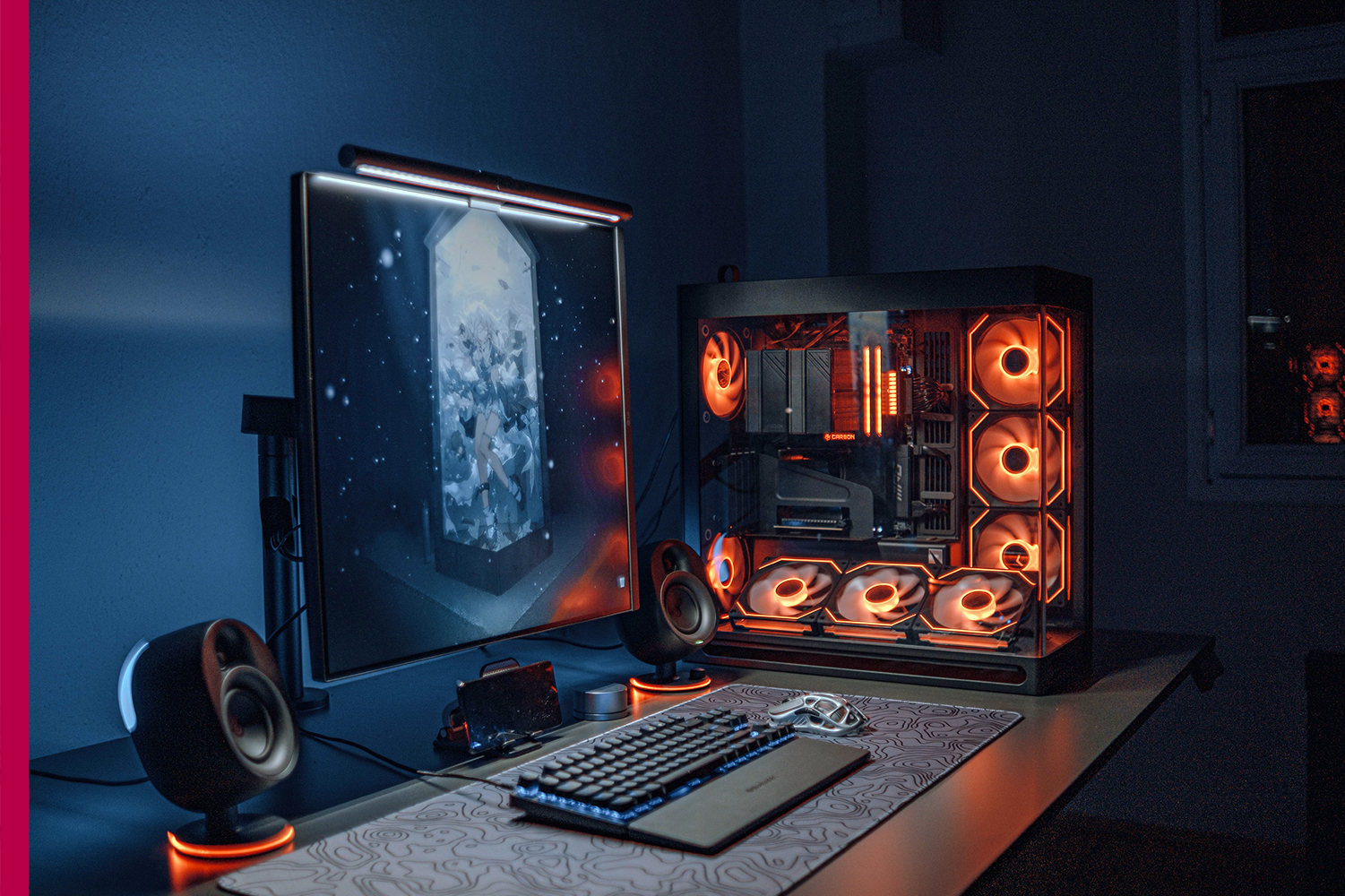



Computer innovation has been one of the driving forces behind global technological advancement, transforming the way people work, communicate, learn, and conduct business. From the early days of bulky mainframe computers to today’s powerful laptops, cloud computing systems, and Artificial Intelligence (AI)-powered devices, continuous innovation has reshaped nearly every aspect of modern life. As computing technology continues to evolve, new innovations are creating smarter, faster, and more efficient solutions that are driving economic growth and improving everyday experiences.
One of the most significant developments in computer innovation is the remarkable increase in processing power. Modern processors can perform billions of calculations every second, enabling computers to handle complex tasks such as data analysis, 3D graphics rendering, scientific simulations, and machine learning. Multi-core processors, advanced graphics processing units (GPUs), and specialized AI chips have dramatically improved computing performance while reducing energy consumption.
Artificial Intelligence has become one of the most influential areas of computer innovation. AI-powered systems are capable of learning from data, recognizing patterns, understanding natural language, and making intelligent decisions. Businesses use AI for customer support, predictive analytics, fraud detection, automation, and personalized recommendations. In healthcare, AI assists doctors in diagnosing diseases and analyzing medical images, while in manufacturing it improves production efficiency through predictive maintenance and quality control.
Cloud computing has transformed how businesses and individuals access computing resources. Instead of relying solely on physical hardware, organizations can now use cloud platforms to store data, run applications, and collaborate remotely. Cloud technology offers flexibility, scalability, and cost efficiency, allowing businesses to expand operations without investing heavily in infrastructure. It has also enabled remote work, online education, and digital collaboration on a global scale.
The rise of edge computing represents another important innovation. Rather than processing data only in centralized cloud servers, edge computing processes information closer to where it is generated. This reduces latency and improves the speed of applications such as autonomous vehicles, smart factories, healthcare monitoring systems, and Internet of Things (IoT) devices. Faster data processing enables real-time decision-making and enhances user experiences.
Computer innovation has also revolutionized data storage. Traditional hard drives have largely been replaced by faster Solid-State Drives (SSDs), which provide quicker access to information and improved system performance. Advances in cloud storage and distributed data management allow businesses to securely store and retrieve massive amounts of information while ensuring data availability and disaster recovery.
Cybersecurity innovations have become increasingly important as digital technologies continue to expand. Modern computers now incorporate advanced security features such as biometric authentication, hardware encryption, secure processors, and AI-powered threat detection systems. These innovations help protect sensitive information from cyberattacks while supporting secure online transactions and digital communications.
The gaming and entertainment industries have also benefited from computer innovation. High-performance graphics cards, virtual reality (VR), augmented reality (AR), and real-time ray tracing technologies deliver immersive gaming experiences and realistic digital environments. These technologies are also finding applications in education, healthcare training, architecture, engineering, and product design.
Portable computing devices continue to evolve with lighter designs, longer battery life, faster wireless connectivity, and more powerful hardware. Laptops, tablets, and hybrid devices provide users with high-performance computing capabilities while supporting mobility and flexible work environments. Innovations in battery technology and energy-efficient processors continue to improve device performance and portability.
Computer innovation is also transforming education and research. Students have access to digital learning platforms, virtual classrooms, online laboratories, and collaborative tools that enhance learning experiences. Researchers use high-performance computing to analyze complex scientific data, simulate experiments, and accelerate discoveries across medicine, engineering, climate science, and space exploration.
Despite these advancements, computer innovation also presents challenges. Rapid technological change requires continuous learning and workforce development. Cybersecurity threats, data privacy concerns, electronic waste, and responsible AI development require careful attention from governments, businesses, and technology providers. Ensuring equitable access to digital technologies also remains an important priority for reducing the digital divide.
Looking ahead, emerging technologies such as quantum computing, neuromorphic processors, advanced AI, 6G connectivity, and next-generation robotics are expected to redefine the future of computing. These innovations will unlock new possibilities across industries while solving increasingly complex global challenges.
In conclusion, computer innovation continues to shape the modern world by driving technological progress, improving productivity, and enabling new forms of communication and creativity. From AI and cloud computing to cybersecurity and advanced hardware, ongoing innovations are transforming industries and improving daily life. As technology continues to evolve, computer innovation will remain a key catalyst for economic growth, scientific advancement, and digital transformation across the globe.