



3D printing, once a technology reserved for industrial use and research labs, has now made its way into homes and personal workshops. Today, 3D printers for personal use allow hobbyists, students, and DIY enthusiasts to transform digital designs into tangible objects, all from the comfort of their living spaces. From crafting unique gadgets to creating replacement parts, 3D printing is revolutionizing how we make, innovate, and interact with physical products.
What is 3D Printing?
3D printing, also known as additive manufacturing, is a process of creating three-dimensional objects by layering materials based on a digital model. Unlike traditional manufacturing, which often involves cutting or mouldings materials, 3D printing builds objects layer by layer, offering unparalleled flexibility and customization. Personal 3D printers typically use materials such as plastic (PLA, ABS), resin, or even metal composites.
Popular Uses of Personal 3D Printing
Custom Household Items
From organizers and hooks to kitchen tools, personal 3D printing allows individuals to design and produce items tailored to their specific needs. This reduces dependence on store-bought solutions and encourages creativity.
Prototyping and DIY Projects
Inventors and hobbyists can prototype ideas quickly without expensive tooling or outsourcing. Whether it’s a mechanical gadget or a new product concept, 3D printing accelerates the creative process.
Education and Learning
Students and educators can use 3D printing to bring complex concepts to life. From anatomical models to architectural designs, physical objects make learning interactive and engaging.
Art and Personal Creations
Artists can experiment with sculptures, jewellery, and personalized gifts. The ability to customize and produce on-demand opens new avenues for creativity.
Replacement Parts and Repairs
3D printing can produce replacement parts for household appliances, toys, or electronics, saving time and money while reducing waste.
Benefits of Personal 3D Printing
Customization: Every item can be tailored to exact specifications, sizes, and preferences.
Rapid Prototyping: Quick iterations of designs enable faster innovation and learning.
Cost-Effective: Small-scale production at home can be cheaper than buying or outsourcing certain items.
Creativity and Innovation: Encourages experimentation and personal expression.
Sustainability: Printing only what you need reduces overproduction and can support the use of recyclable materials.
Challenges and Considerations
While personal 3D printing offers exciting possibilities, there are some limitations:
Learning Curve: Designing and preparing 3D models requires some technical skills.
Print Quality: Entry-level printers may produce lower-resolution items or struggle with complex designs.
Material Limitations: Most personal printers are limited to plastics or resins, though material options are expanding.
Time-Consuming: Depending on size and complexity, printing can take several hours or even days.
Safety Concerns: Certain materials and resins may emit fumes or require careful handling.
The Future of Personal 3D Printing
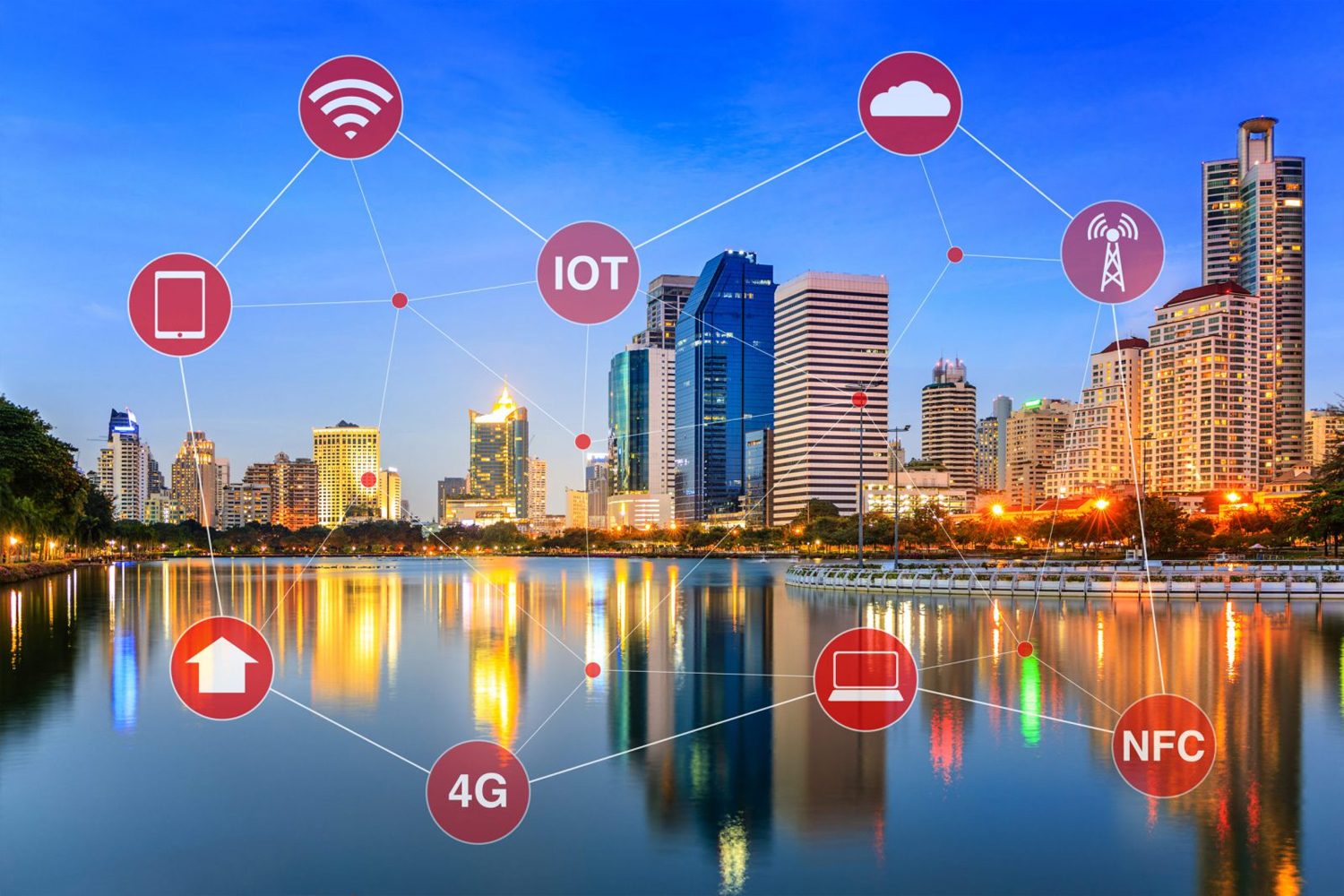
As technology advances, 3D printers are becoming faster, more precise, and affordable. AI-driven software is simplifying design creation, while new materials, including biodegradable plastics and lightweight metals, are expanding potential applications. In the near future, 3D printing could play a major role in home manufacturing, personalized healthcare (like custom prosthetics), and even small-scale local production hubs, reducing reliance on mass-produced goods. Moreover, integration with IoT and cloud platforms will allow users to download, share, and customize designs from anywhere in the world, creating a collaborative ecosystem of makers and innovators.
Final Thoughts
Personal 3D printing is more than just a hobby it’s a gateway to creativity, innovation, and practical problem-solving. By turning digital designs into real-world objects, it empowers individuals to design, build, and innovate at home. While there are challenges in mastering the technology, the rewards are substantial: personalized items, rapid prototyping, and endless creative possibilities. As 3D printing continues to evolve, it’s clear that the future of DIY and home manufacturing is layered, limitless, and literally at our fingertips.