


Waste management has become one of the most pressing environmental challenges of the modern world. Rapid urbanization, industrial growth, population expansion, and increasing consumerism have led to a significant rise in the volume of waste generated every day. Traditional methods of waste disposal, such as landfilling and open dumping, are no longer sufficient to address environmental concerns and resource conservation. As a result, governments, businesses, and researchers are developing innovative waste management solutions that focus on reducing waste, improving recycling, recovering valuable resources, and promoting a circular economy.
Waste management involves the collection, transportation, processing, recycling, treatment, and disposal of waste materials in a safe and environmentally responsible manner. Modern waste management strategies aim not only to dispose of waste but also to convert it into valuable resources that can be reused in manufacturing, energy production, and agriculture.
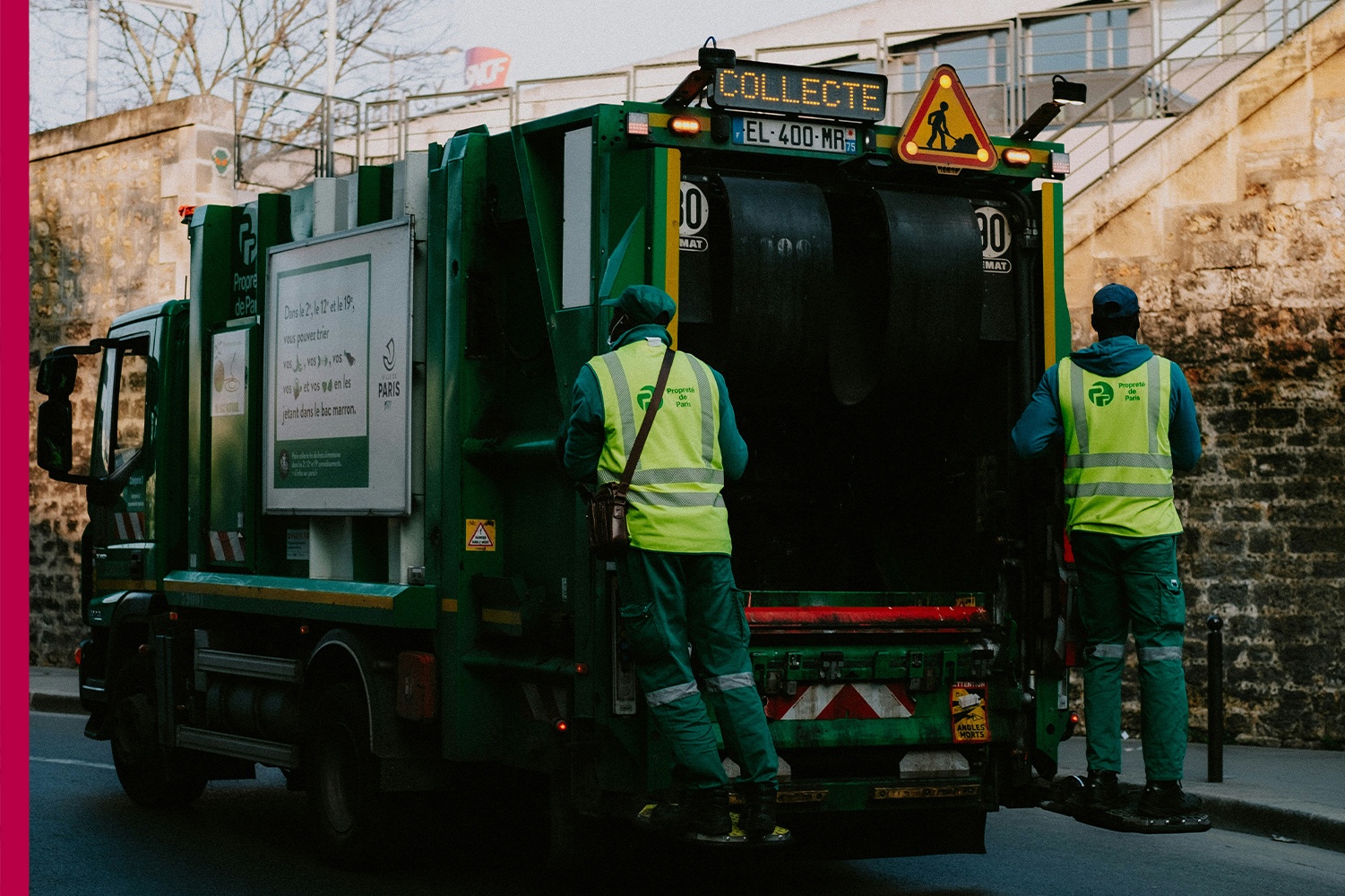
One of the most significant innovations in waste management is smart waste collection. Smart bins equipped with sensors can monitor waste levels in real time and notify collection agencies when they need to be emptied. This technology reduces unnecessary collection trips, lowers fuel consumption, improves operational efficiency, and minimizes overflowing waste bins in urban areas. Cities using smart waste systems can optimize collection routes and reduce overall waste management costs.
Artificial Intelligence (AI) is transforming waste sorting and recycling processes. AI-powered vision systems can automatically identify and separate different types of recyclable materials such as plastics, metals, paper, and glass with high accuracy. Automated sorting reduces contamination, increases recycling efficiency, and improves the quality of recycled materials, making recycling operations faster and more cost-effective.
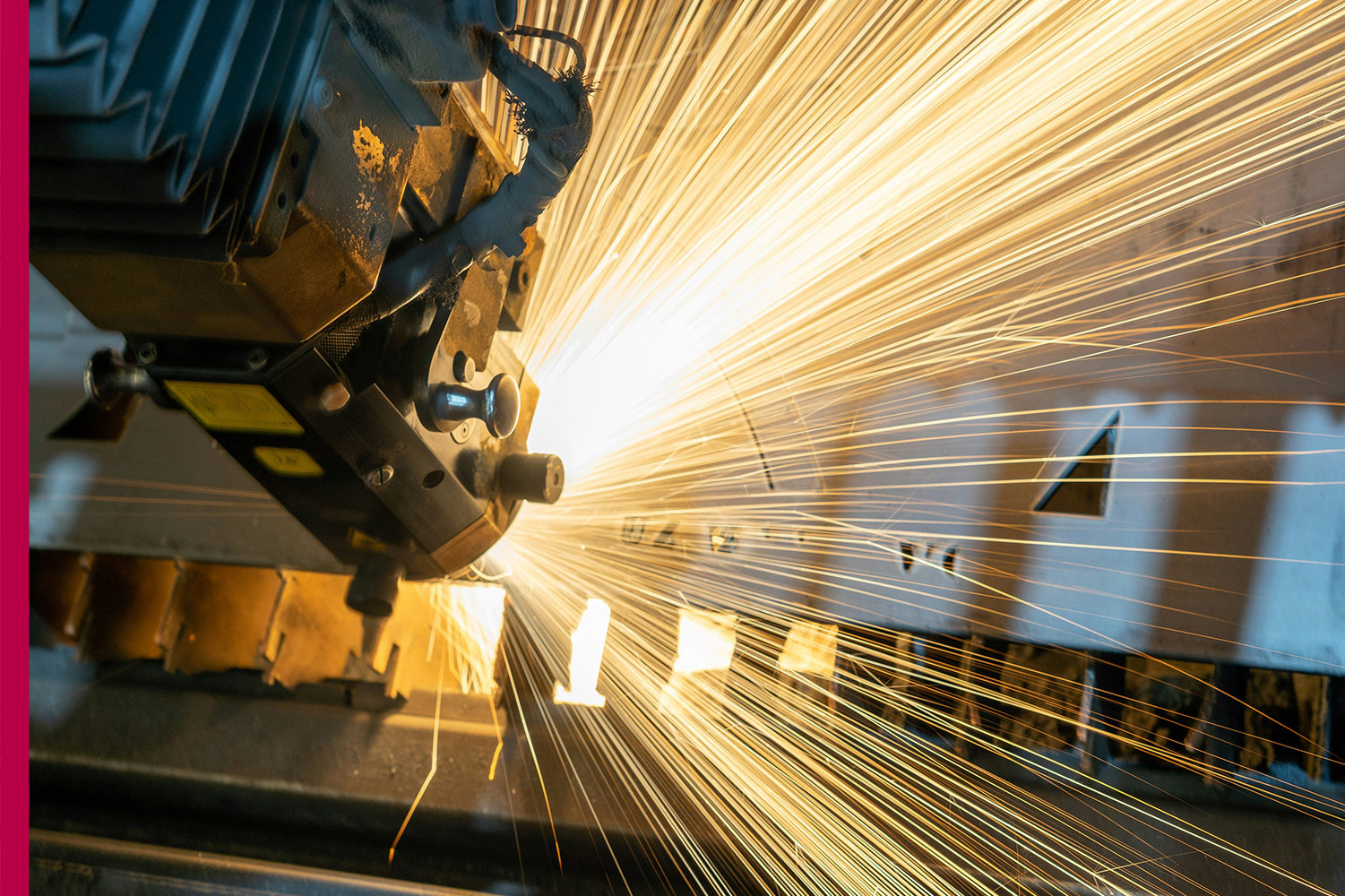
Recycling technologies continue to advance across various industries. Modern recycling plants can process a wider range of materials while recovering valuable resources that were previously difficult to recycle. Innovations in plastic recycling, metal recovery, electronic waste processing, and battery recycling help conserve natural resources and reduce dependence on raw material extraction. Advanced recycling technologies also support the growing demand for sustainable manufacturing.
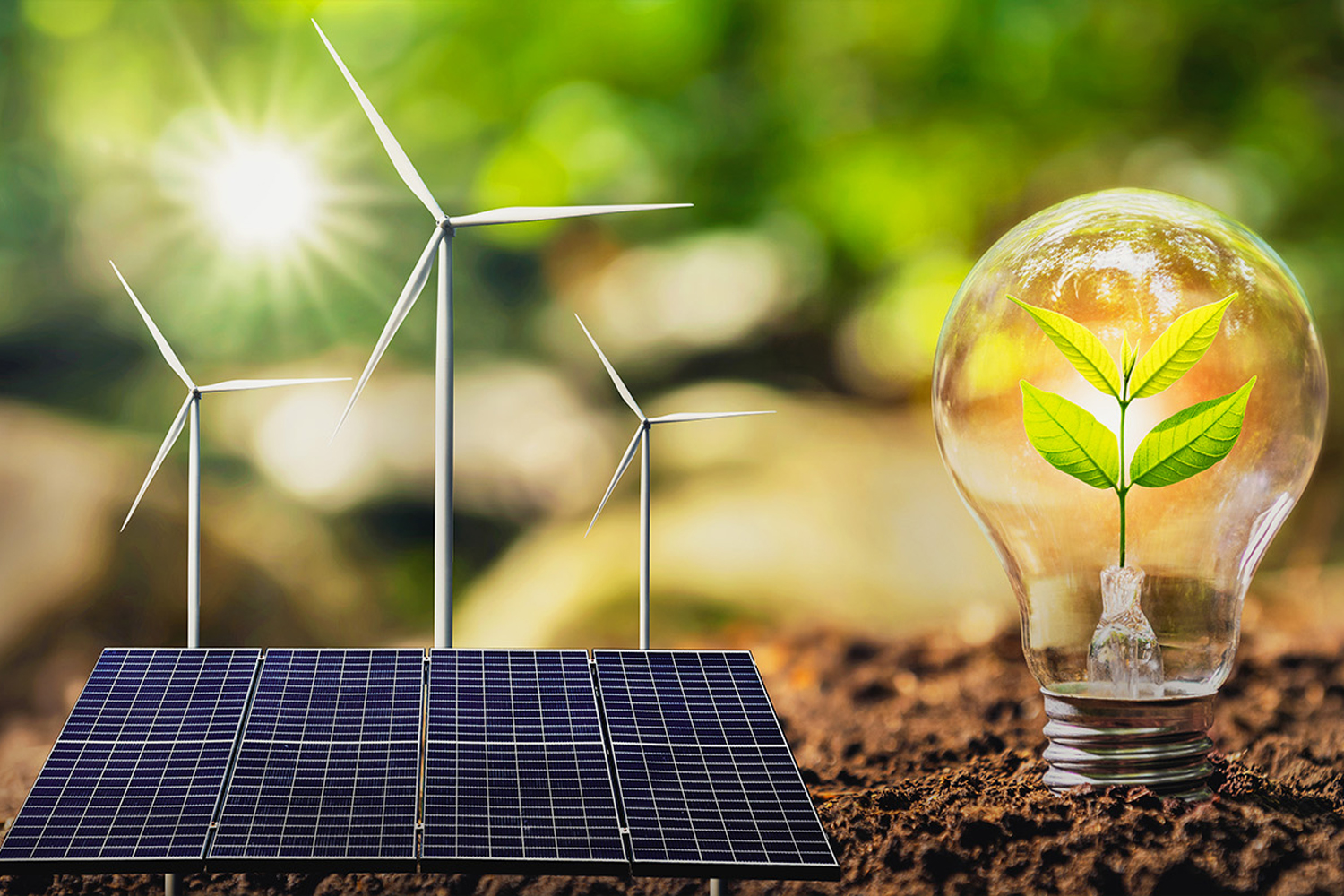
Waste-to-energy technology has emerged as another important innovation. Instead of sending waste to landfills, specialized facilities convert non-recyclable waste into electricity, heat, or fuel through controlled thermal and biological processes. These systems reduce landfill usage while generating renewable energy that supports local power grids and industrial operations.
Organic waste management has also improved significantly. Food waste, agricultural residues, and biodegradable materials can be converted into compost or biogas through composting and anaerobic digestion. Compost improves soil quality for agriculture, while biogas provides a renewable energy source that reduces reliance on fossil fuels. These solutions help minimize greenhouse gas emissions while creating valuable by-products from organic waste.
The circular economy concept is driving major changes in waste management practices. Instead of following the traditional “produce, use, and dispose” model, circular economy principles encourage designing products that can be reused, repaired, refurbished, or recycled. Manufacturers are increasingly developing products with recyclable materials and longer lifecycles, reducing waste generation and conserving valuable resources.
Digital technologies are improving waste management operations through better data collection and analysis. Cloud-based platforms, Geographic Information Systems (GIS), and data analytics enable municipalities and businesses to monitor waste generation patterns, optimize collection schedules, and improve recycling performance. Real-time data supports informed decision-making and long-term planning.
Businesses are increasingly adopting sustainable waste management practices as part of their environmental responsibility initiatives. Many companies are reducing packaging waste, eliminating single-use plastics, implementing recycling programs, and investing in eco-friendly production processes. Sustainable waste management not only benefits the environment but also enhances corporate reputation and reduces operational costs.
Despite these innovations, several challenges remain. Rapid urban growth, limited recycling infrastructure, public awareness gaps, illegal dumping, and the increasing complexity of electronic and hazardous waste require continued investment and policy support. Governments, industries, and communities must work together to strengthen waste management systems and encourage responsible waste disposal.
Education and public participation are essential for the success of modern waste management. Community awareness campaigns, recycling programs, and environmental education encourage individuals to reduce waste, separate recyclables, and adopt sustainable consumption habits. Active citizen involvement significantly improves recycling rates and overall environmental performance.
Looking ahead, emerging technologies such as robotics, blockchain, advanced material recovery systems, and AI-powered waste analytics will further transform the waste management industry. Smart cities will increasingly integrate intelligent waste management into broader sustainability and urban development strategies.
In conclusion, waste management innovations are creating more efficient, sustainable, and environmentally responsible solutions for handling growing volumes of waste. Through smart technologies, recycling advancements, waste-to-energy systems, and circular economy practices, societies can reduce environmental pollution while recovering valuable resources. As innovation continues to reshape the industry, effective waste management will remain a key factor in building cleaner cities, protecting natural ecosystems, and ensuring a more sustainable future for generations to come.