


The retail industry has experienced significant transformation due to changing consumer expectations, digital growth, globalization, and evolving market conditions. Behind every successful retail business is a complex supply chain that connects manufacturers, suppliers, warehouses, transportation networks, stores, and customers. However, modern retail supply chains face numerous challenges that affect efficiency, cost management, and customer satisfaction. Understanding these challenges is essential for building stronger and more flexible retail operations.
A retail supply chain involves all activities required to deliver products from production to the final customer. It includes sourcing materials, manufacturing, inventory management, logistics, distribution, and order fulfillment. As customer demands become faster and more personalized, retailers must manage increasingly complex supply networks while maintaining quality and affordability.
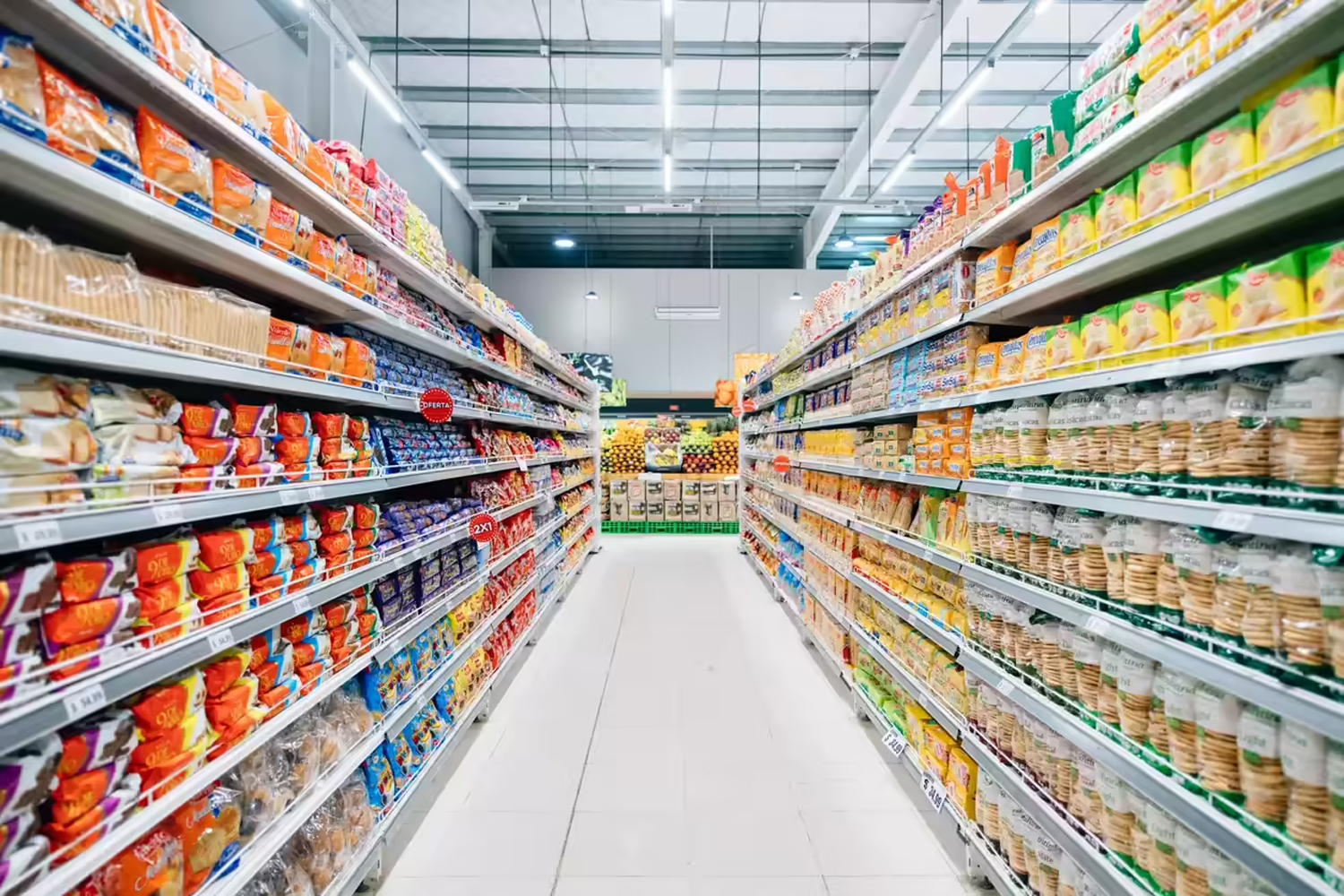
One of the biggest challenges in retail supply chains is inventory management. Retailers must maintain the right balance between product availability and storage costs. Overstocking can lead to excess inventory, increased expenses, and product waste, while understocking can result in lost sales and dissatisfied customers. Accurate demand forecasting has become more difficult due to changing consumer preferences and unpredictable market trends.
Supply chain disruptions are another major concern for retailers. Global events, transportation issues, natural disasters, and geopolitical uncertainties can affect the movement of goods. Delays in production or shipping can create shortages and impact customer experience. Retailers are increasingly focusing on building flexible supply chains that can quickly adapt to unexpected disruptions.
The growth of e-commerce has added new challenges to retail logistics. Customers now expect faster deliveries, real-time order tracking, and convenient return options. Managing online orders requires advanced systems for warehouse operations, packaging, transportation, and last-mile delivery. Retailers must improve their digital infrastructure to meet these expectations while controlling costs.
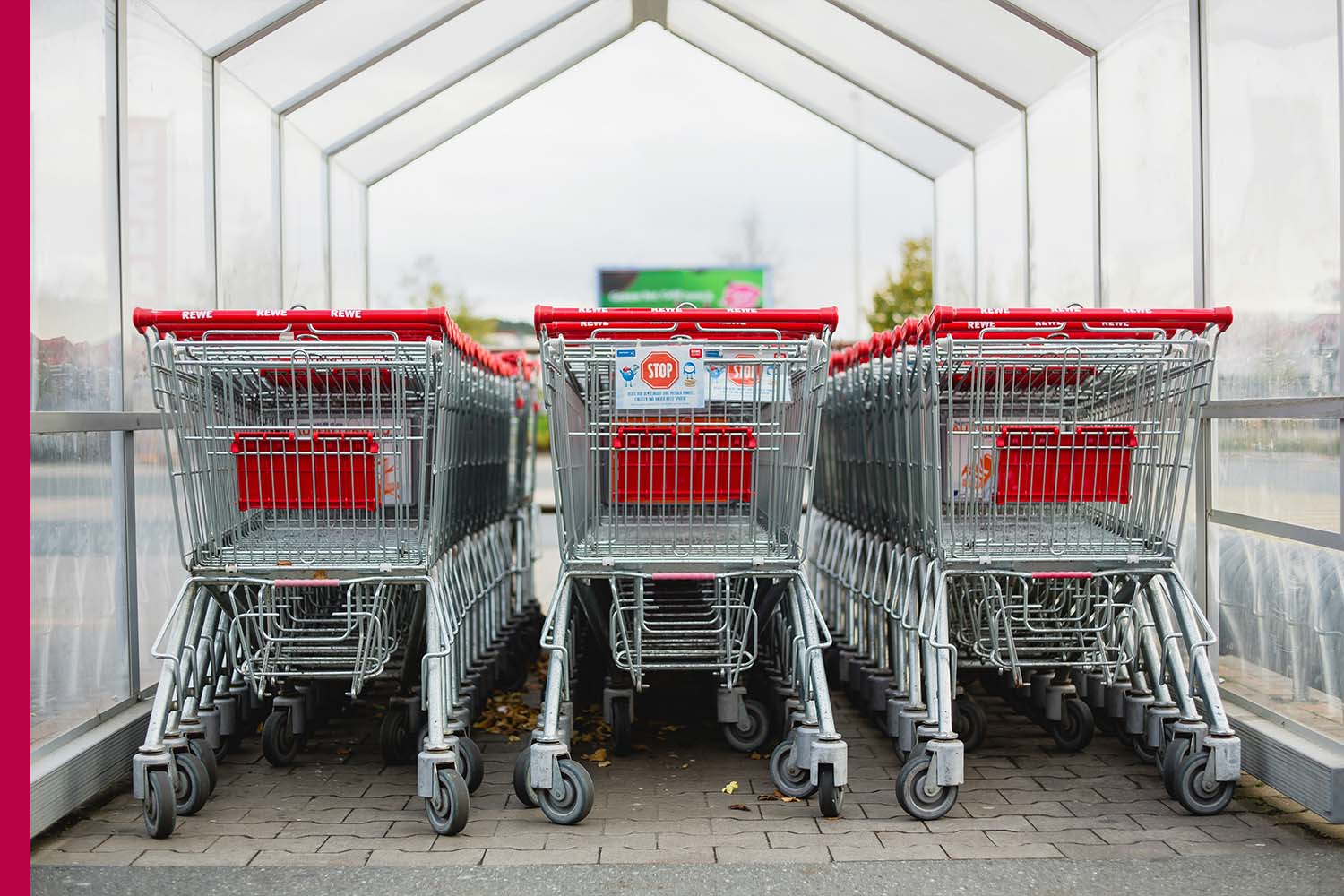
Last-mile delivery remains one of the most challenging areas of retail supply chains. The final stage of delivering products to customers often involves complex routes, traffic issues, and high operational costs. Retailers are exploring solutions such as delivery optimization software, local fulfillment centers, and alternative transportation methods to improve efficiency.
Rising operational costs are also affecting retail supply chains. Transportation expenses, labor costs, energy prices, and raw material costs continue to influence product pricing. Retailers must find ways to improve efficiency without reducing product quality or customer service. Automation, data analytics, and technology-driven solutions are becoming important tools for reducing costs.
Supplier management is another critical challenge. Retailers often work with multiple suppliers across different regions, making coordination and quality control more difficult. Reliable supplier relationships are necessary to ensure consistent product availability. Businesses are increasingly focusing on supplier transparency, ethical sourcing, and long-term partnerships.
Sustainability has become an important factor in modern retail supply chains. Consumers are becoming more aware of environmental issues and expect brands to follow responsible practices. Retailers are under pressure to reduce packaging waste, lower carbon emissions, and adopt sustainable sourcing methods. Creating environmentally friendly supply chains requires investment and strategic planning.
Technology adoption is transforming retail supply chain management. Artificial intelligence, automation, blockchain, and data analytics are helping retailers improve forecasting, track products, and optimize operations. Smart systems can provide real-time insights and help businesses make faster decisions. However, implementing new technologies requires investment, training, and effective integration with existing systems.
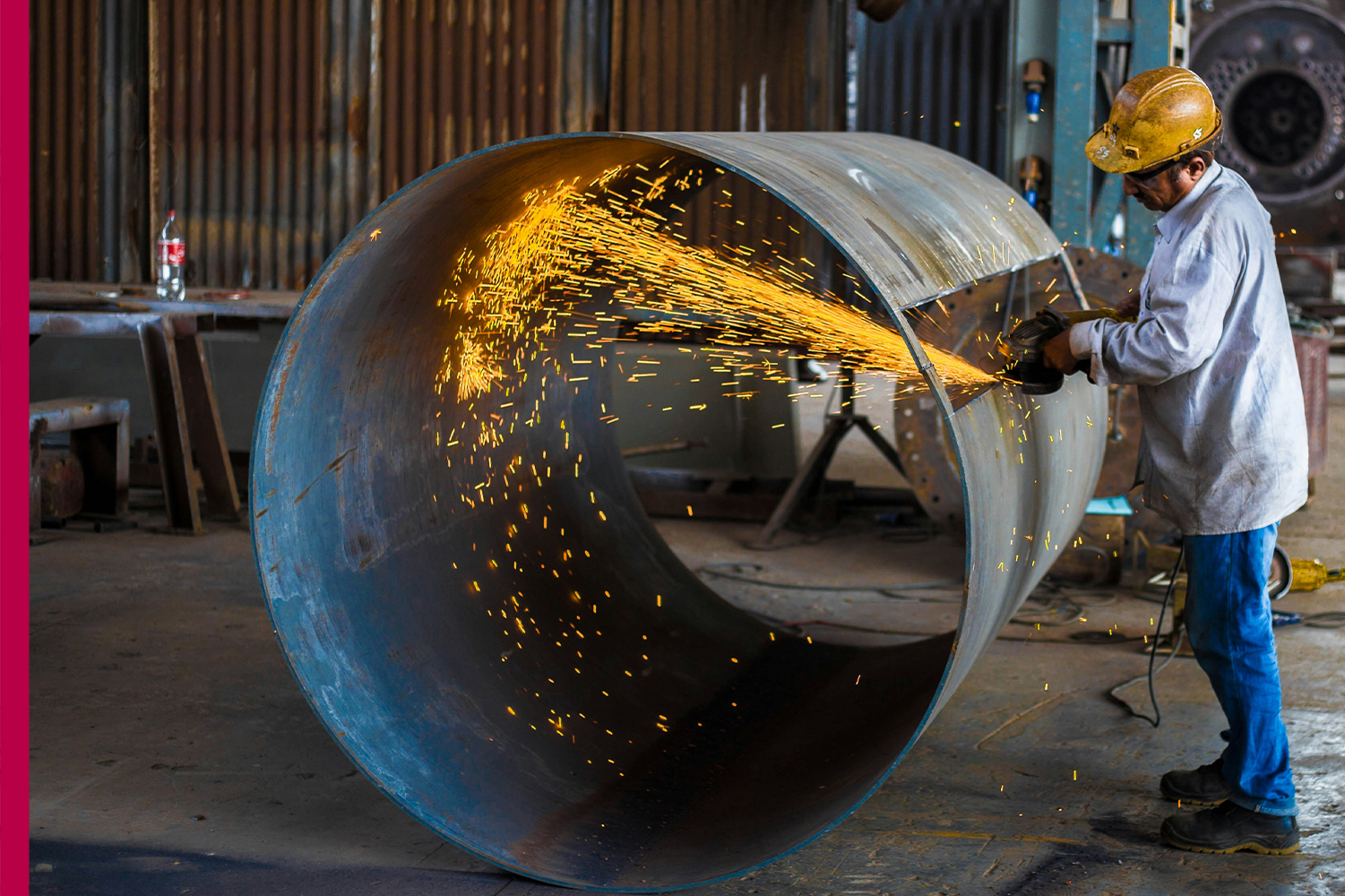
Workforce challenges also impact retail supply chains. Warehousing, transportation, and logistics operations require skilled employees, but many businesses face labor shortages. Training workers and adopting automation solutions can help address workforce challenges while improving productivity.
Another challenge is managing customer expectations. Modern consumers want personalized products, fast service, and complete transparency about their purchases. Retailers must create supply chains that are flexible enough to support customization while maintaining operational efficiency.
Risk management has become a priority for retail businesses. Companies are focusing on diversifying suppliers, improving communication, and creating backup plans to handle disruptions. Building resilience helps retailers maintain operations even during uncertain conditions.
In conclusion, retail supply chains face a wide range of challenges, from inventory management and logistics issues to sustainability and technological transformation. As the retail landscape continues to evolve, businesses must adopt innovative strategies to improve efficiency, flexibility, and customer satisfaction. The future of retail will depend on supply chains that are not only fast and cost-effective but also resilient, sustainable, and responsive to changing consumer needs.