



The Future of Real Estate
How Smart Buildings and Sustainable Design Are Redefining Property
The real estate industry is evolving as urbanisation, changing lifestyles, digital technology, and environmental priorities reshape how people live, work, and invest. Property remains an important asset class, but the expectations surrounding buildings are changing. Buyers, tenants, businesses, and investors increasingly evaluate properties based on more than location and price alone.
One of the most important trends is the development of smart buildings. Digital access systems, connected sensors, automated lighting, and intelligent climate controls can help improve convenience, security, and operational efficiency. Building managers can use digital platforms to monitor equipment, identify maintenance requirements, and manage energy consumption.
Artificial intelligence is also influencing property management. Data analytics can support rental forecasting, occupancy planning, maintenance scheduling, and investment evaluation. These tools can help professionals make more informed decisions, although the reliability of their conclusions depends on data quality and an understanding of local market conditions.
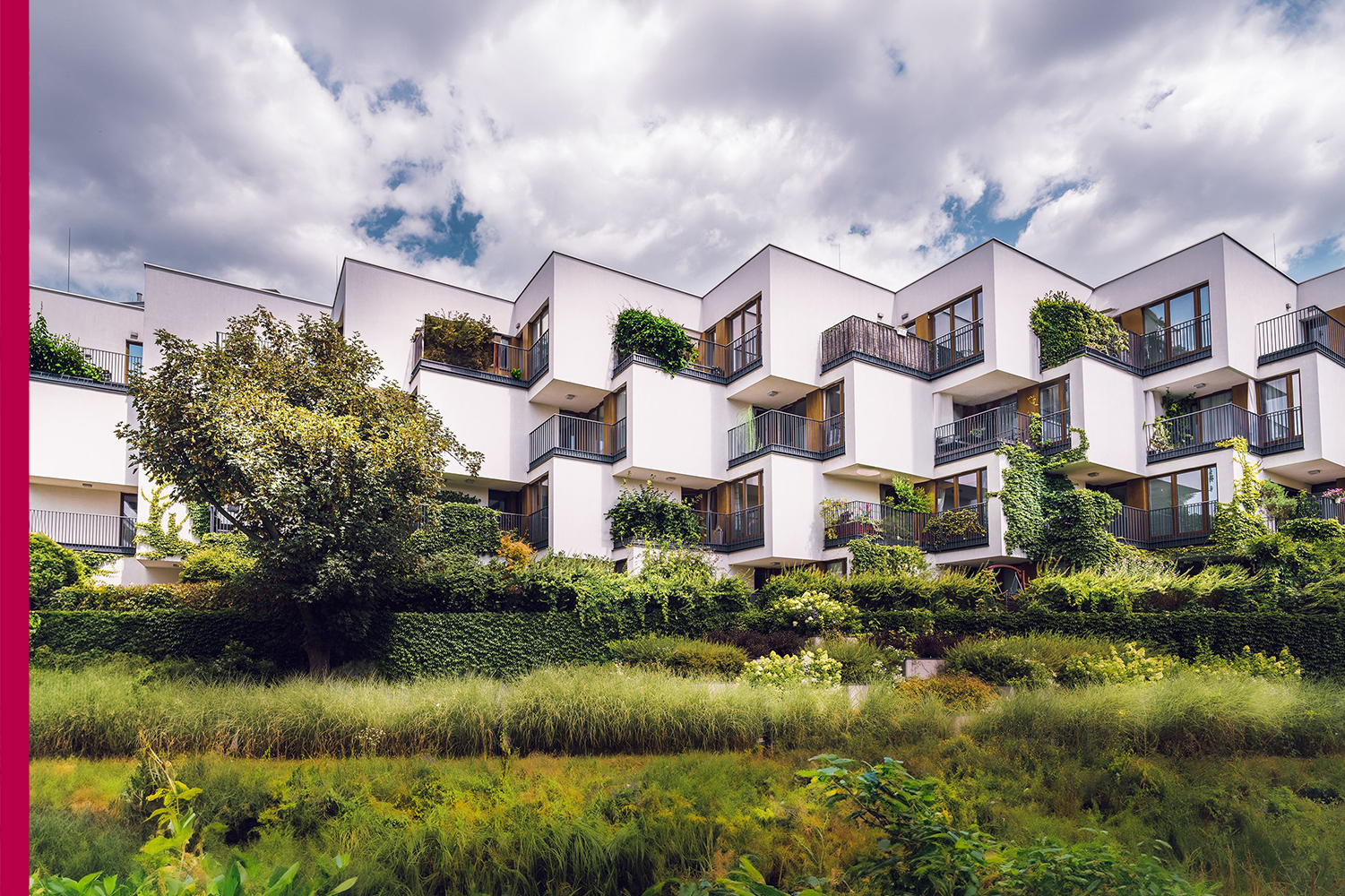
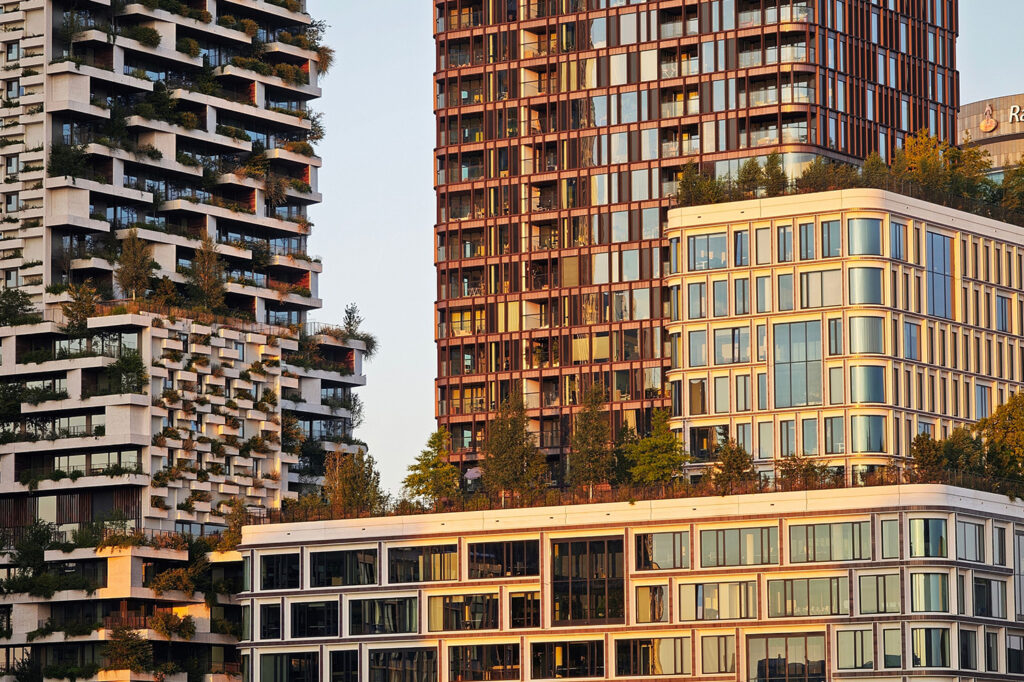
Sustainability has become a growing priority in real estate development. Energy-efficient lighting, improved insulation, water-saving systems, renewable energy, and environmentally responsible construction materials can reduce resource consumption. Green building certifications and sustainability assessments are also influencing how certain commercial and residential properties are designed and evaluated.
The demand for sustainable buildings is linked to both environmental concerns and long-term operating costs. Energy-efficient properties may offer lower utility expenses and improved indoor comfort. However, the actual benefits depend on building design, construction quality, maintenance, local climate, and how occupants use the property.
Another important trend is the changing nature of work. Hybrid working arrangements have influenced demand for office space, encouraging businesses and landlords to reconsider how workplaces are designed. Modern offices increasingly emphasise collaboration, flexible layouts, employee wellbeing, and technology-enabled meeting spaces. Demand varies considerably by location, industry, and the quality of available buildings.
Residential preferences are changing as well. Many homebuyers place greater importance on connectivity, access to public transport, healthcare, educational institutions, recreational spaces, and reliable digital infrastructure. In growing cities, well-planned developments can help improve access to essential services while reducing the inconvenience associated with long commutes.
Digital property platforms have made it easier for buyers and tenants to compare listings, explore locations, and communicate with agents. Virtual tours, digital documentation, and online transaction tools can simplify parts of the property journey. Nevertheless, buyers still need to verify ownership, legal documentation, building approvals, financing arrangements, and the physical condition of a property.
Real estate investment is also becoming more data-driven. Investors examine rental yields, occupancy rates, infrastructure development, interest rates, and local economic conditions when evaluating opportunities. However, property markets remain influenced by economic cycles, regulatory changes, financing costs, and regional supply and demand. Digital tools can support analysis but cannot eliminate investment risk.
Affordable housing remains one of the industry’s most important challenges. Rapid urban growth can increase demand for homes while land, construction, and financing costs place pressure on affordability. Addressing this challenge requires coordinated planning, appropriate infrastructure, responsible development, and policies that support access to suitable housing.
The future of real estate will depend on the ability to combine technology, sustainable design, financial discipline, and human needs. Buildings must serve the people who use them while responding to changing economic and environmental conditions.
Real estate is no longer simply about constructing and selling properties. It is increasingly about creating functional, efficient, connected, and resilient spaces. Developers and investors who understand this broader responsibility will be better positioned to meet the expectations of future generations.