

Transport and mobility are fundamental to modern economic and social development. Efficient transportation systems connect people to workplaces, educational institutions, healthcare services, businesses, and communities while enabling the movement of goods across regions and countries. As urban populations continue to grow and environmental concerns become increasingly important, the transport and mobility sector is undergoing significant transformation. New technologies, sustainable solutions, and changing consumer preferences are creating a more connected, efficient, and flexible mobility ecosystem.
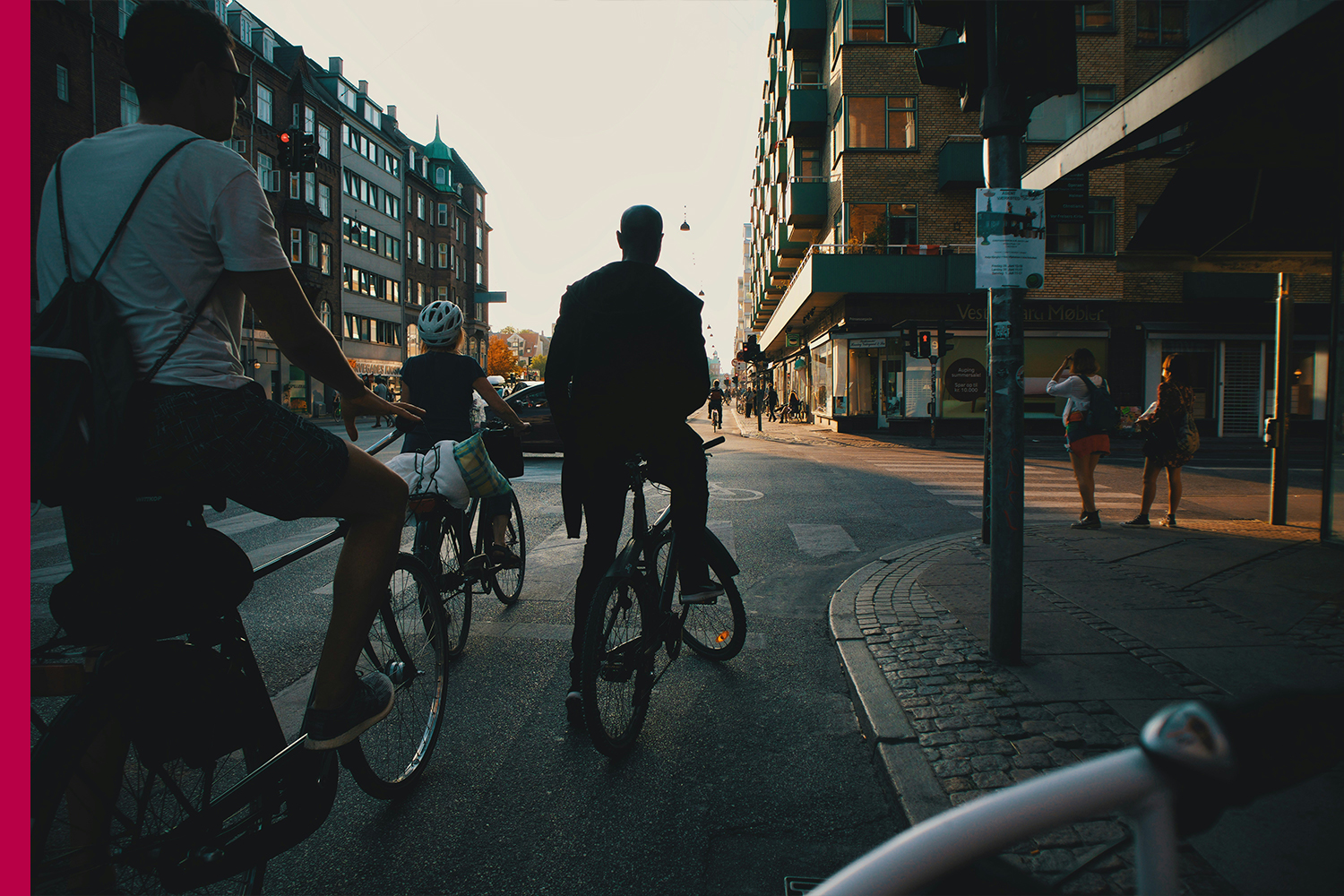
Urbanization is one of the major factors influencing transportation development. Growing cities face challenges such as traffic congestion, limited parking, air pollution, and increasing demand for public transportation. Governments and urban planners are responding by investing in metro systems, electric buses, improved road networks, cycling infrastructure, pedestrian-friendly streets, and integrated transportation systems. These developments aim to improve accessibility while reducing pressure on urban infrastructure.
Public transportation remains a vital component of modern mobility. Buses, metro rail systems, suburban trains, and other shared transportation services provide affordable and efficient travel for millions of people. Digital ticketing, real-time journey information, mobile applications, and intelligent transportation systems are improving the passenger experience. Integrated public transportation networks allow commuters to combine different modes of travel within a single journey, making urban mobility more convenient.
Electric mobility is one of the most important trends shaping the future of transportation. Electric cars, buses, two-wheelers, delivery vehicles, and commercial fleets are becoming increasingly common as governments and businesses seek to reduce dependence on fossil fuels. Improvements in battery technology, charging infrastructure, and vehicle efficiency are helping make electric transportation more practical. The growth of electric mobility also creates opportunities for battery manufacturing, charging services, renewable energy integration, and related industries.
Shared mobility has transformed how people access transportation. Ride-sharing, car-sharing, bicycle-sharing, and scooter-sharing services provide flexible alternatives to private vehicle ownership. Mobile applications allow users to locate vehicles, make reservations, and complete payments digitally. Shared transportation can reduce the number of private vehicles on roads while improving mobility for people who may not own cars.
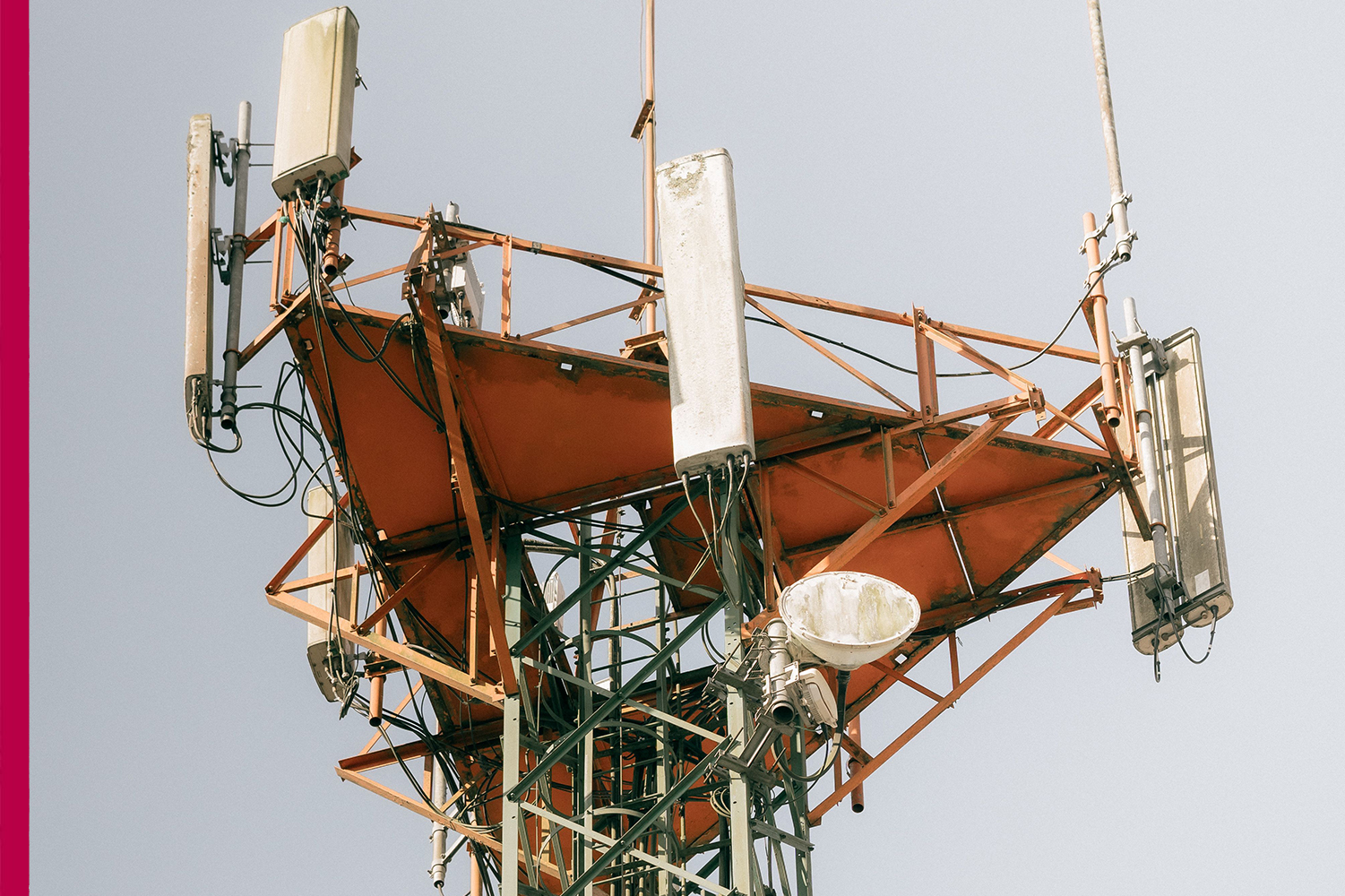
Technology is playing a central role in modern transport systems. Artificial Intelligence (AI), Internet of Things (IoT) devices, GPS, cloud computing, and data analytics are being used to optimize traffic management, predict maintenance requirements, improve route planning, and monitor vehicle performance. Intelligent transportation systems can analyze real-time traffic information and adjust signals or recommend alternative routes to reduce congestion and travel times.
Autonomous mobility represents another emerging area of development. Self-driving vehicles are being tested for passenger transportation, logistics, and public transit applications. Autonomous technology has the potential to improve road safety, reduce human error, and increase transportation efficiency. However, widespread adoption will require continued technological development, infrastructure improvements, regulatory frameworks, and public acceptance.
Last-mile connectivity is also becoming increasingly important. Efficient transportation does not end at major transit stations or transportation hubs; commuters need convenient ways to reach their final destinations. Electric bicycles, shared scooters, feeder buses, walking infrastructure, and on-demand transportation services are helping address this challenge and create more seamless journeys.
Sustainability has become a major priority in transport and mobility planning. Transportation is a significant source of greenhouse gas emissions, particularly in rapidly growing cities. Governments and businesses are therefore investing in cleaner fuels, electric vehicles, renewable energy, public transportation, and low-carbon infrastructure. Encouraging walking, cycling, and shared mobility further supports sustainable urban development.
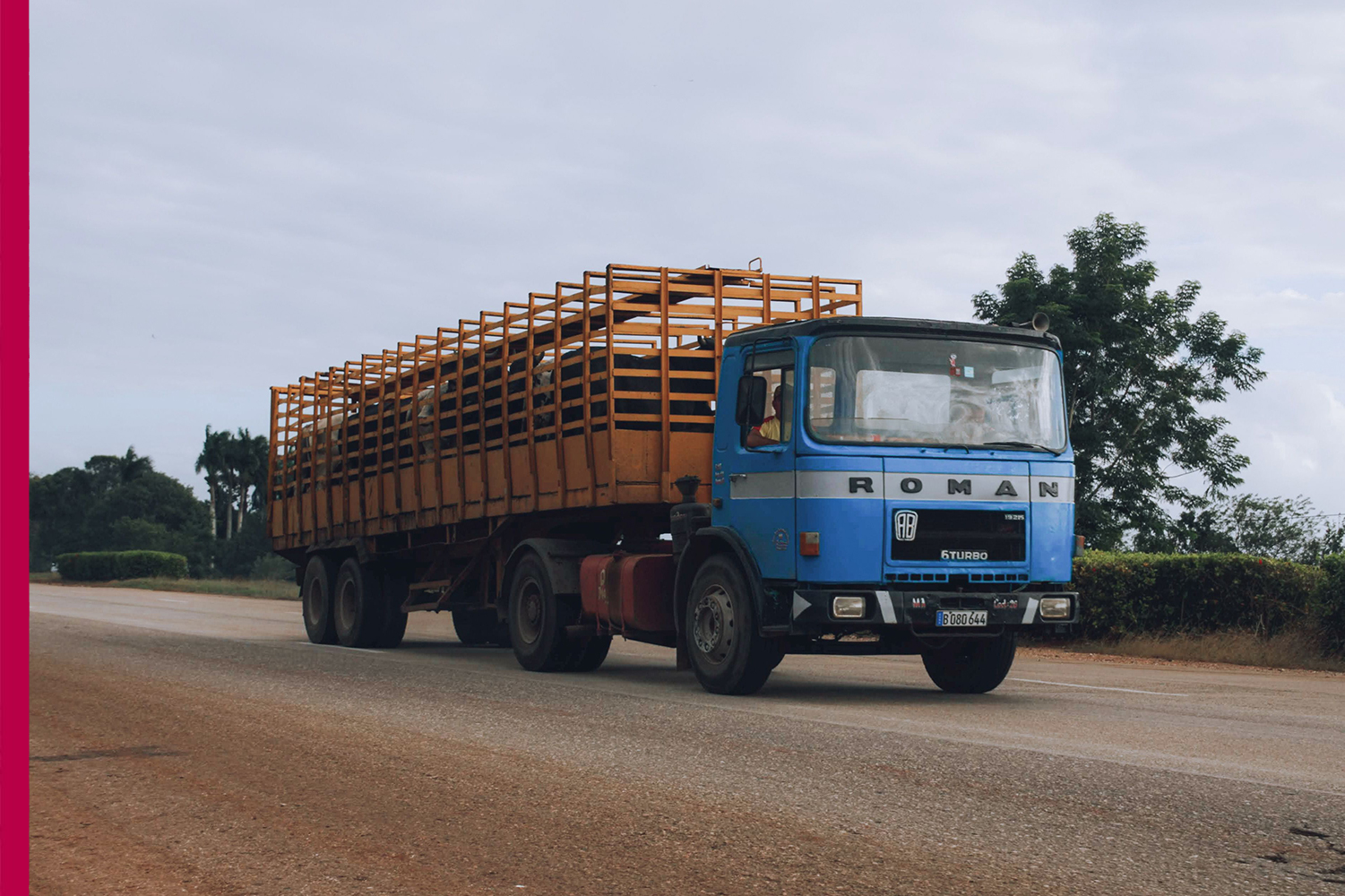
Freight transportation is also experiencing major changes. E-commerce growth has increased demand for efficient delivery networks, while logistics companies are adopting route optimization, warehouse automation, electric delivery vehicles, and real-time tracking systems. These innovations improve delivery efficiency while helping businesses reduce fuel consumption and operating costs.
Despite rapid progress, the transport and mobility sector faces challenges such as infrastructure costs, traffic congestion, cybersecurity risks, uneven access to transportation, and the need to coordinate multiple mobility systems. Rural communities may also face limited access to reliable transportation compared with major urban centers.
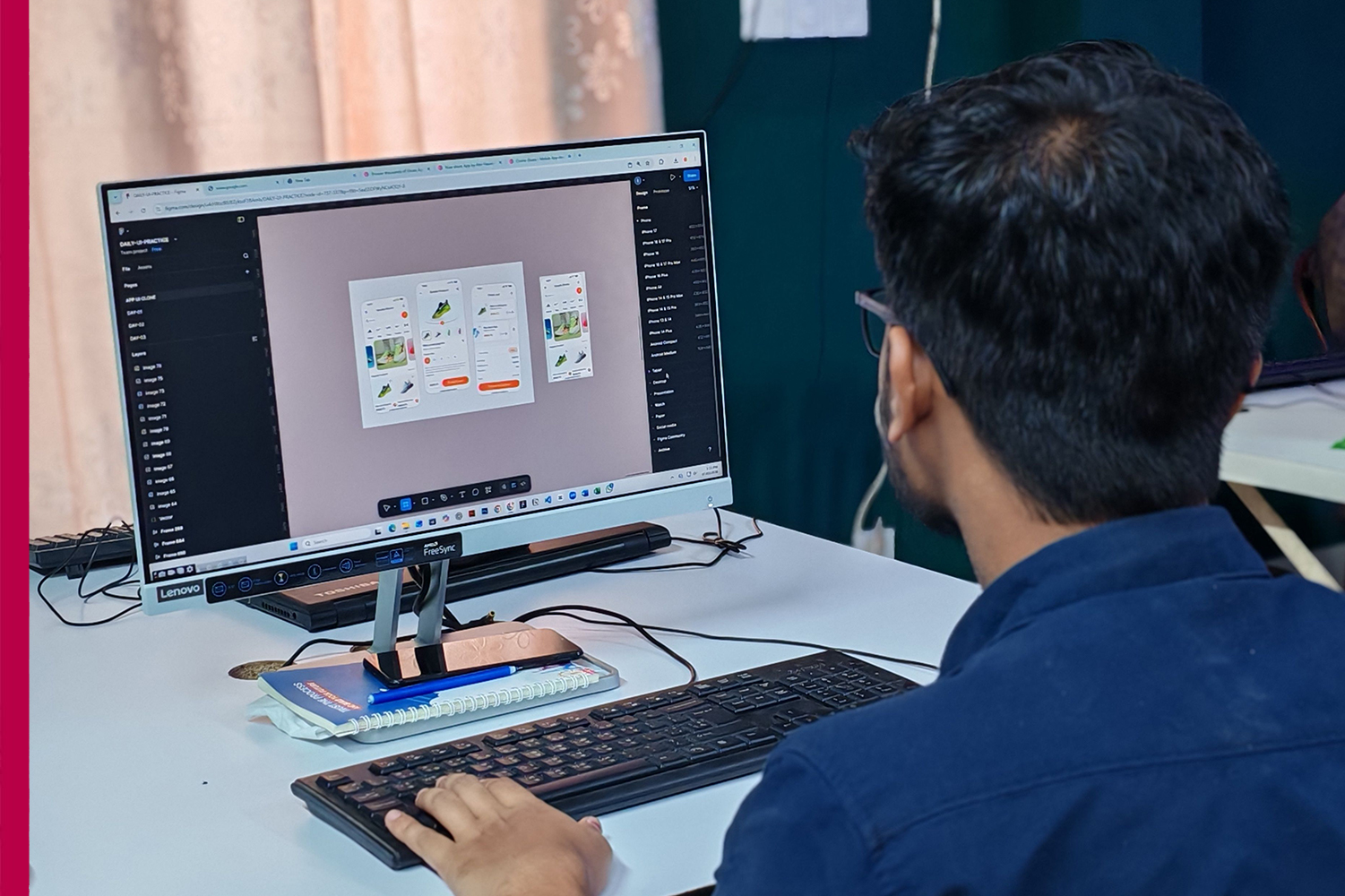
Looking ahead, the future of transport and mobility will depend on greater integration between public transportation, electric vehicles, shared mobility, intelligent infrastructure, and digital platforms. Connected transportation networks will allow people to plan, book, and complete journeys across multiple modes through seamless digital services.
In conclusion, transport and mobility are evolving from traditional transportation systems into intelligent, connected, and sustainable mobility ecosystems. Electric vehicles, shared transportation, smart infrastructure, digital technologies, and improved public transit are reshaping how people and goods move. As cities and industries continue to adapt, innovative mobility solutions will play a crucial role in creating cleaner, safer, more accessible, and economically efficient transportation systems for the future.