

As cities continue to expand and the number of vehicles on the road increases, traffic congestion has become one of the biggest challenges facing urban areas worldwide. Congested roads lead to longer travel times, increased fuel consumption, higher carbon emissions, and reduced productivity. To address these challenges, governments, urban planners, and technology companies are investing in traffic management innovations that use advanced technologies to improve mobility, enhance road safety, and create more efficient transportation systems. These innovations are transforming how cities manage traffic and paving the way for smarter urban mobility.
Traffic management refers to the planning, monitoring, and control of vehicle movement to ensure the safe and efficient use of road networks. Traditional traffic systems relied mainly on fixed traffic signals and manual monitoring. Today, technological advancements such as Artificial Intelligence (AI), the Internet of Things (IoT), data analytics, and smart sensors are revolutionizing traffic management by enabling real-time decision-making and predictive planning.
One of the most significant innovations is the development of intelligent traffic signal systems. Unlike conventional traffic lights that operate on fixed schedules, smart traffic signals use AI and real-time traffic data to adjust signal timings according to current road conditions. These systems help reduce waiting times, improve traffic flow, and minimize congestion at busy intersections.
Artificial Intelligence plays an increasingly important role in traffic management. AI-powered systems analyze traffic patterns, vehicle movement, weather conditions, and accident reports to predict congestion before it occurs. Traffic authorities can use these insights to redirect vehicles, optimize road usage, and respond quickly to unexpected incidents. AI also supports dynamic traffic control, helping cities manage growing transportation demands more efficiently.
The Internet of Things (IoT) is connecting roads, vehicles, and traffic infrastructure through smart sensors and communication networks. IoT-enabled devices collect real-time information about traffic volume, vehicle speed, road conditions, and parking availability. This continuous flow of data allows traffic management centers to make informed decisions while providing drivers with accurate travel information through navigation applications.
Connected vehicle technology is another promising innovation. Modern vehicles can communicate with traffic infrastructure and other nearby vehicles to exchange information about road conditions, hazards, and traffic signals. This vehicle-to-infrastructure (V2I) and vehicle-to-vehicle (V2V) communication improves safety, reduces accidents, and supports smoother traffic movement.
Smart parking solutions are helping reduce congestion in urban areas. Drivers often spend significant time searching for available parking spaces, contributing to unnecessary traffic. Smart parking systems use sensors and mobile applications to provide real-time information about available parking spots, guiding drivers directly to vacant spaces and reducing road congestion.
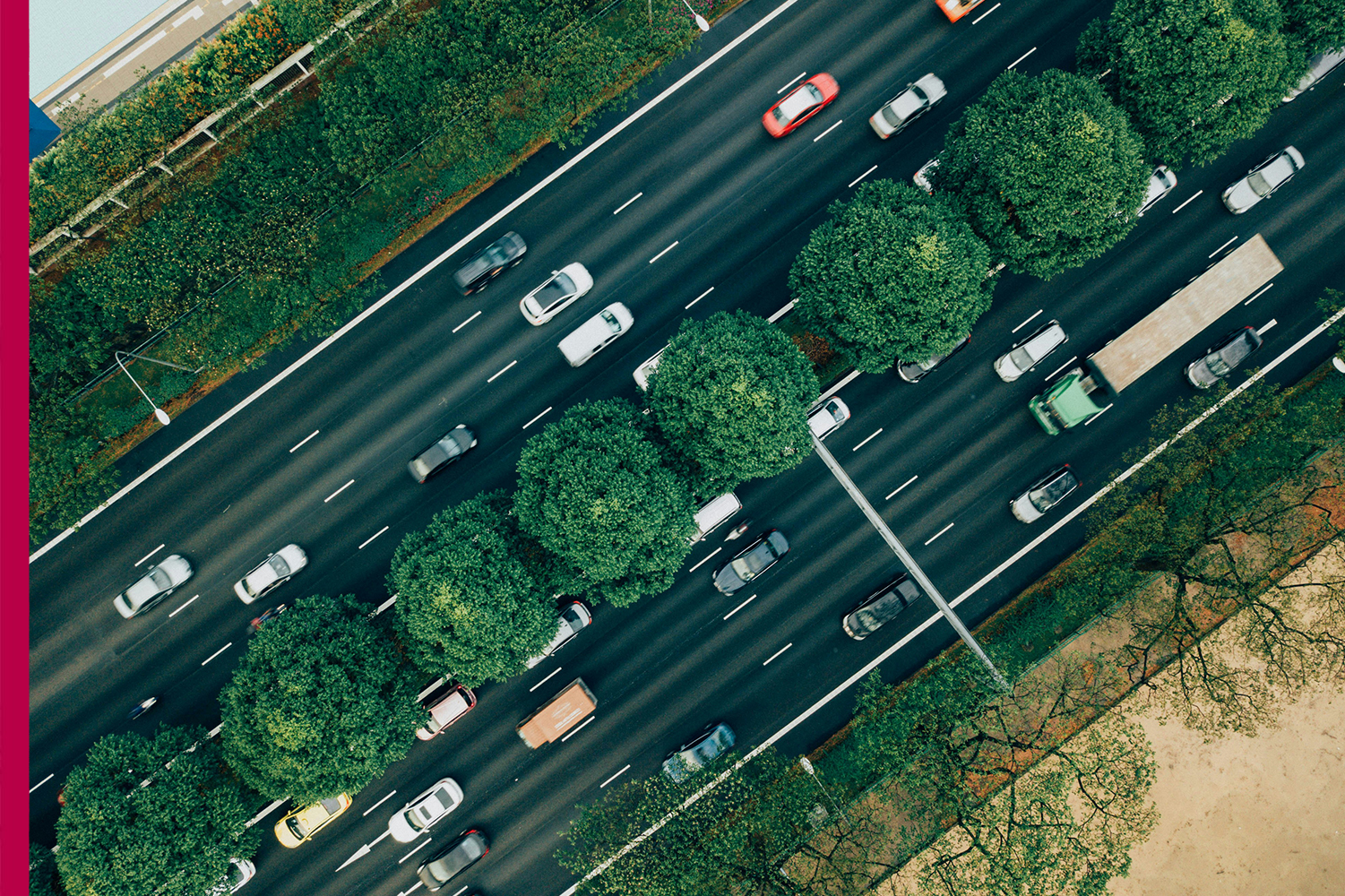
Traffic monitoring has also improved significantly with the use of drones and advanced surveillance systems. Drones provide aerial views of road networks, allowing authorities to monitor congestion, accidents, and special events more effectively. High-definition cameras and AI-powered image analysis help detect traffic violations, identify incidents quickly, and improve emergency response times.
Public transportation integration is another essential component of modern traffic management. Intelligent transport systems prioritize buses, trams, and emergency vehicles through adaptive traffic signals, helping improve public transit reliability and encourage greater use of sustainable transportation. Efficient public transport reduces the number of private vehicles on the road, easing overall traffic congestion.
Data analytics has become a valuable tool for urban planners. Historical and real-time traffic data help authorities identify congestion hotspots, evaluate infrastructure performance, and plan future transportation projects. Predictive analytics enables cities to make evidence-based decisions that improve long-term mobility and infrastructure development.
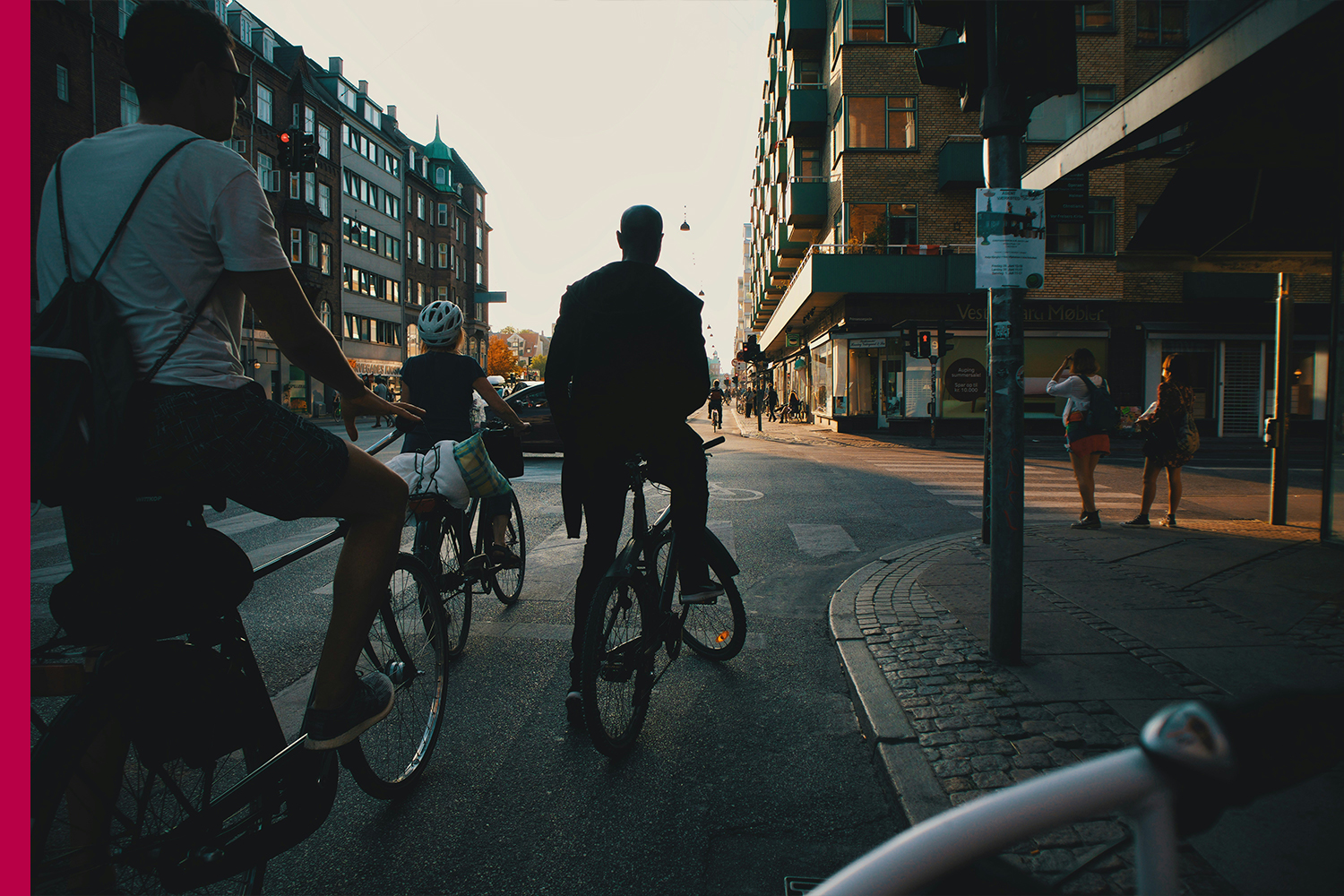
Environmental sustainability is also driving traffic management innovation. Smart traffic systems reduce unnecessary vehicle idling, lower fuel consumption, and decrease greenhouse gas emissions. Many cities are integrating electric vehicle charging infrastructure, bicycle lanes, and pedestrian-friendly designs into broader traffic management strategies to support sustainable urban transportation.
Despite these advancements, implementing modern traffic management systems presents challenges. High infrastructure costs, cybersecurity concerns, data privacy issues, and the need for continuous maintenance require significant investment and planning. Successful implementation also depends on collaboration between governments, technology providers, transportation agencies, and urban planners.
Looking ahead, autonomous vehicles, 5G communication, digital twins, and AI-powered urban mobility platforms are expected to further transform traffic management. These technologies will enable highly connected transportation ecosystems capable of responding instantly to changing road conditions while improving safety and efficiency.
In conclusion, traffic management innovations are reshaping urban transportation by combining advanced technology with intelligent infrastructure. From AI-driven traffic signals and IoT-enabled monitoring to connected vehicles and smart parking systems, these solutions improve mobility, reduce congestion, and enhance road safety. As cities continue to grow, innovative traffic management will play a crucial role in creating sustainable, efficient, and people-centered transportation systems for the future.