







Transportation is an essential part of modern life, enabling the movement of people and goods across cities, countries, and continents. However, the transportation sector is also one of the largest contributors to greenhouse gas emissions, air pollution, and energy consumption worldwide. As concerns about climate change and environmental sustainability continue to grow, governments, businesses, and communities are focusing on sustainable transportation solutions that reduce environmental impact while maintaining efficiency and accessibility.
Sustainable transportation refers to mobility systems that minimize pollution, conserve resources, and promote long-term environmental and social well-being. These solutions aim to create transportation networks that are efficient, affordable, and environmentally responsible. By embracing innovative technologies and smarter infrastructure, sustainable transportation is becoming a critical component of global sustainability efforts.
One of the most significant developments in sustainable transportation is the rise of electric vehicles (EVs). Unlike conventional vehicles that rely on fossil fuels, electric vehicles operate using rechargeable batteries and produce zero tailpipe emissions. Advances in battery technology, charging infrastructure, and vehicle performance have made EVs increasingly practical and accessible. As adoption continues to grow, electric vehicles are expected to play a major role in reducing carbon emissions from road transportation.
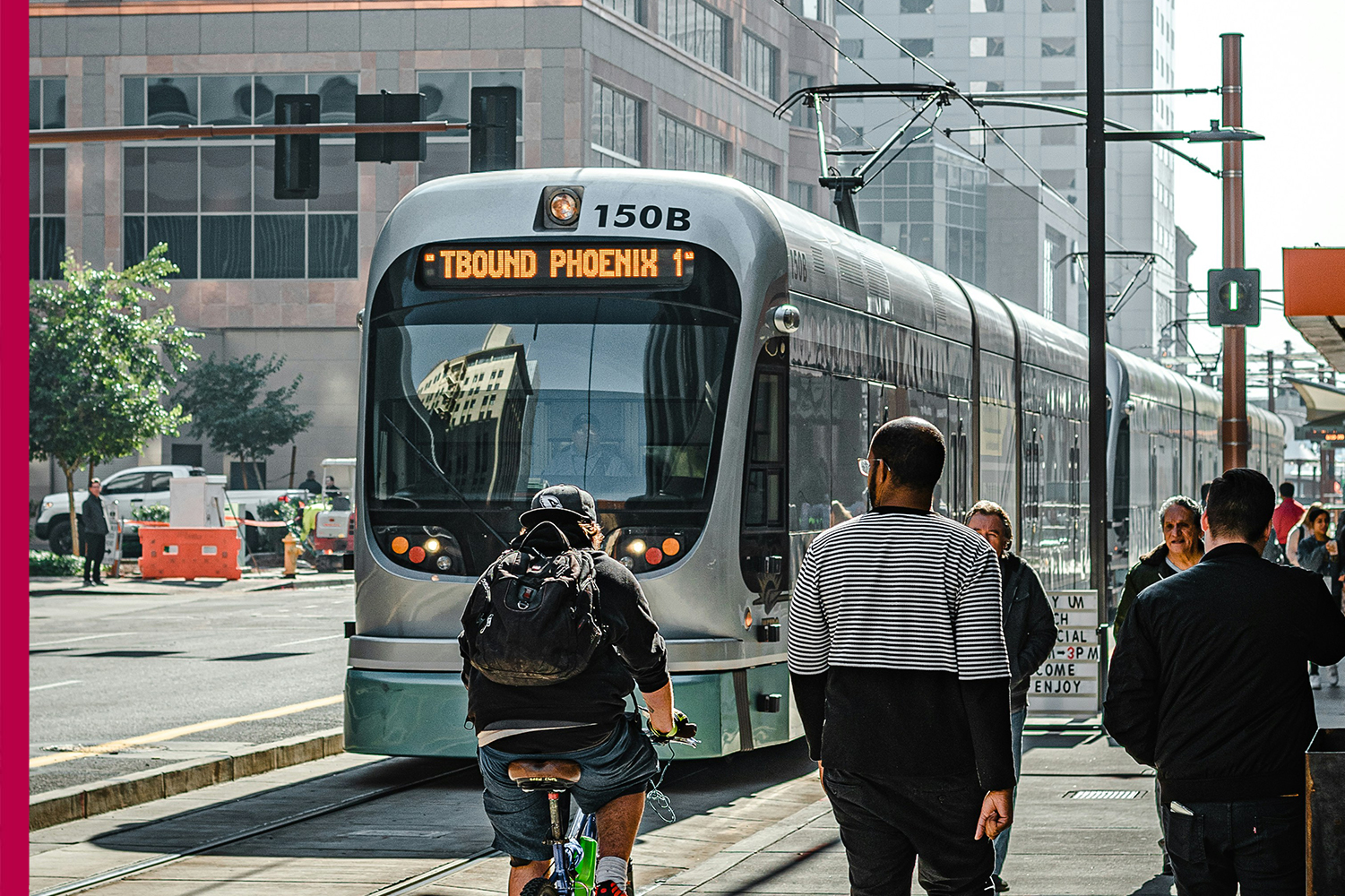
Public transportation systems are another important pillar of sustainable mobility. Buses, trains, metro systems, and trams provide efficient alternatives to private vehicles, reducing traffic congestion and fuel consumption. Modern public transportation networks are increasingly incorporating electric and hybrid technologies, making them even more environmentally friendly. Expanding and improving public transit infrastructure can significantly reduce the environmental impact of urban transportation.
Cycling and walking are among the most sustainable forms of transportation. Cities around the world are investing in bicycle lanes, pedestrian-friendly streets, and shared mobility programs to encourage active transportation. These solutions not only reduce emissions but also promote healthier lifestyles and improve urban living conditions. Well-designed pedestrian and cycling infrastructure can make cities safer, cleaner, and more attractive.
Shared mobility services have gained popularity as a sustainable transportation option. Ride-sharing platforms, car-sharing services, and bike-sharing programs help reduce the number of vehicles on the road by maximizing the use of existing transportation resources. Shared mobility can lower transportation costs, decrease traffic congestion, and reduce overall environmental impact.
The development of sustainable freight transportation is also becoming increasingly important. Logistics companies are adopting electric delivery vehicles, route optimization technologies, and alternative fuels to reduce emissions. Rail transport and intermodal logistics solutions are helping businesses move goods more efficiently while minimizing environmental impact. Sustainable freight practices are essential for supporting growing global trade without increasing pollution.
Alternative fuels are playing a growing role in transportation sustainability. Biofuels, hydrogen fuel cells, and renewable energy-based transportation systems offer cleaner alternatives to traditional fossil fuels. Hydrogen-powered vehicles, in particular, have gained attention for their ability to provide long driving ranges with minimal environmental impact. Continued investment in alternative fuel technologies will support the transition toward greener transportation networks.
Smart transportation technologies are helping improve mobility efficiency. Artificial intelligence, data analytics, and Internet of Things (IoT) systems enable better traffic management, route planning, and vehicle monitoring. Smart traffic signals, connected vehicles, and intelligent transportation systems can reduce congestion, lower fuel consumption, and improve overall transportation performance.
Urban planning also plays a critical role in sustainable transportation. Compact city designs, mixed-use developments, and transit-oriented communities reduce the need for long-distance travel and encourage the use of public transportation, walking, and cycling. Integrating transportation planning with sustainable urban development creates more efficient and environmentally friendly communities.
Despite the progress being made, sustainable transportation faces several challenges. High infrastructure costs, limited charging networks, technological barriers, and public adoption concerns can slow implementation. Governments, businesses, and communities must work together to address these challenges through investment, innovation, and supportive policies.
Sustainability in transportation also requires behavioral changes. Encouraging individuals to use public transportation, adopt electric vehicles, and embrace active mobility options can significantly contribute to reducing environmental impact. Public awareness campaigns and incentives can help accelerate the transition toward sustainable mobility.
The future of transportation will likely involve greater integration of electric mobility, autonomous vehicles, renewable energy, and smart infrastructure. As technology advances, transportation systems will become more efficient, connected, and environmentally responsible.
In conclusion, sustainable transportation solutions are essential for addressing environmental challenges while supporting economic growth and mobility needs. Through electric vehicles, public transportation, shared mobility, alternative fuels, and smart technologies, the transportation sector is evolving toward a greener future. By investing in sustainable transportation today, societies can create cleaner cities, reduce emissions, and build a more resilient and environmentally responsible world for future generations.