




The way people move around cities is changing rapidly as urban populations grow, technology advances, and environmental concerns become more important. Shared mobility has emerged as a modern transportation solution that focuses on convenient, affordable, and sustainable travel options. Instead of relying only on privately owned vehicles, people are increasingly choosing shared transportation services that provide flexibility and reduce the need for individual ownership.
Shared mobility refers to transportation services where vehicles or rides are shared among multiple users. These include ride-sharing, car-sharing, bike-sharing, scooter-sharing, and on-demand transportation platforms. The growth of digital technology, mobile applications, and smart infrastructure has made shared mobility more accessible and efficient for everyday users.
One of the biggest drivers of shared mobility growth is urbanization. As cities become more crowded, traffic congestion and parking challenges continue to increase. Private vehicle ownership often creates pressure on urban infrastructure, leading to longer travel times and higher pollution levels. Shared mobility provides an alternative by allowing people to access transportation when needed without owning a vehicle.
Ride-sharing services have become one of the most popular forms of shared mobility. Through mobile applications, users can quickly book rides and share trips with others traveling in similar directions. This reduces transportation costs and helps improve vehicle utilization. Ride-sharing has become especially valuable in cities where public transportation may not fully meet individual travel needs.
Car-sharing is another important trend gaining popularity. Instead of purchasing a car, users can rent vehicles for short periods based on their requirements. This model is attractive for people who need occasional access to a vehicle but do not want the financial responsibilities of ownership. Car-sharing also encourages more efficient use of vehicles by reducing the number of unused cars.
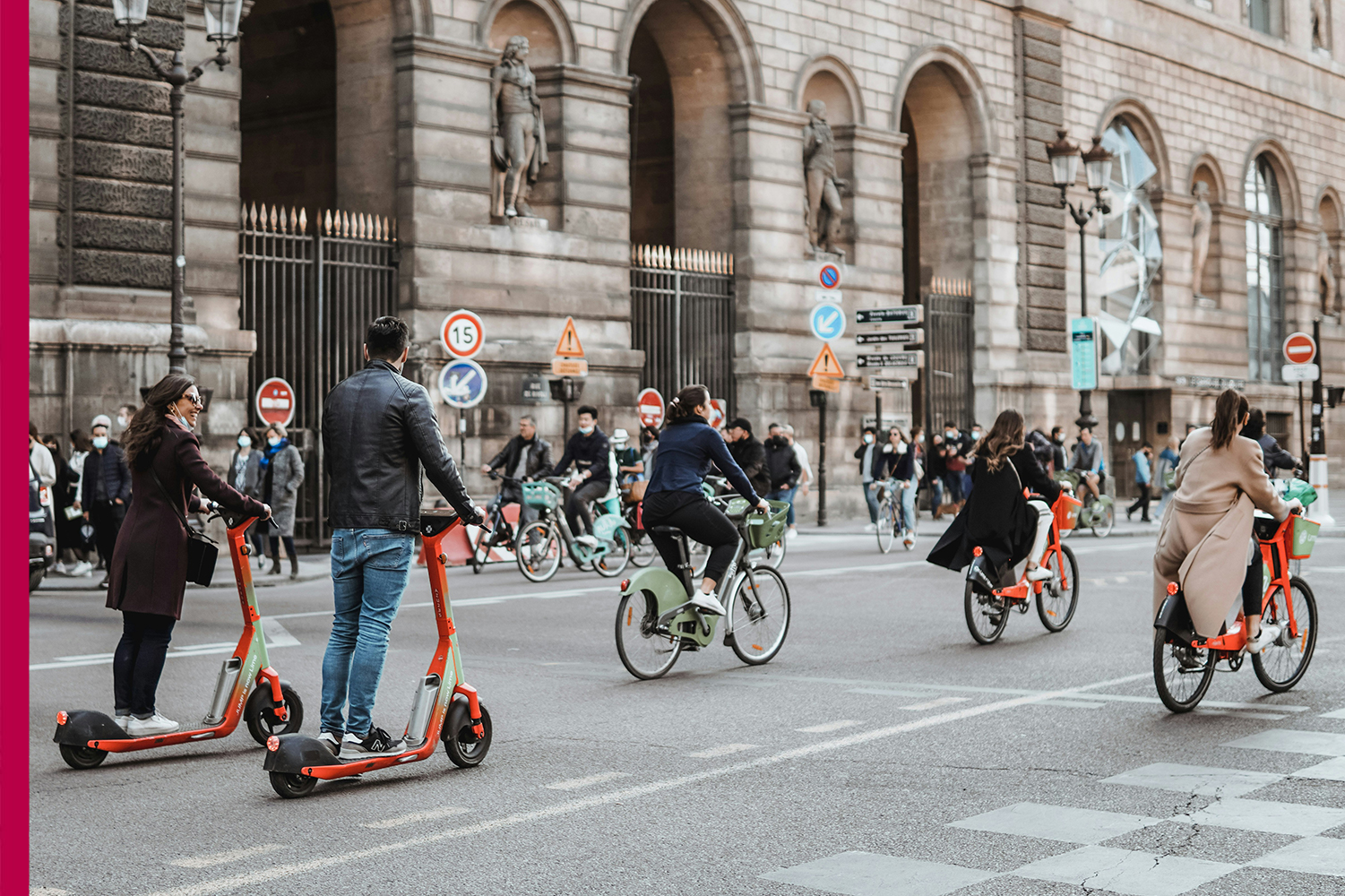
Bike-sharing and scooter-sharing services are becoming common in many urban areas. These options provide affordable and environmentally friendly transportation for short-distance travel. They help reduce traffic congestion and encourage healthier lifestyles by promoting active mobility. Many cities are developing dedicated lanes and infrastructure to support these shared transportation options.
Technology plays a major role in the growth of shared mobility. Mobile applications, GPS tracking, digital payments, and artificial intelligence help users find, book, and access vehicles easily. AI-powered systems analyze travel patterns, optimize routes, and improve fleet management. These technologies make shared mobility services faster, safer, and more convenient.
Electric vehicles (EVs) are also shaping the future of shared mobility. Many transportation companies are transitioning toward electric fleets to reduce emissions and support sustainability goals. Electric shared vehicles can contribute to cleaner cities by lowering dependence on fossil fuels. The combination of shared mobility and electric transportation is becoming an important part of future urban planning.
Shared mobility is also supporting the development of smart cities. By connecting transportation systems with digital infrastructure, cities can improve traffic management and create more efficient travel networks. Data collected from shared mobility platforms helps city planners understand transportation patterns and design better solutions.
The rise of shared mobility is changing consumer attitudes toward vehicle ownership. Younger generations, in particular, are increasingly valuing convenience and accessibility over owning personal vehicles. Many people prefer paying for transportation only when needed rather than investing in expensive assets. This shift is influencing automotive companies and encouraging them to explore new mobility business models.
However, shared mobility also faces several challenges. Safety, data privacy, vehicle availability, and regulatory issues remain important concerns. Companies must ensure reliable services, maintain vehicle quality, and protect user information. Governments and transportation providers need to work together to create effective policies that support innovation while protecting public interests.
Another challenge is ensuring equal access. Shared mobility services are often concentrated in urban areas, while rural and underserved communities may have limited availability. Expanding transportation access to more regions will be important for creating inclusive mobility systems.
The future of shared mobility will likely involve greater integration with autonomous vehicles, artificial intelligence, and advanced transportation networks. Self-driving shared vehicles could further improve efficiency by reducing operational costs and optimizing travel routes. As technology develops, shared mobility may become a central part of future transportation systems.
In conclusion, shared mobility is reshaping how people travel by offering flexible, cost-effective, and sustainable alternatives to traditional transportation. With the support of technology, electric vehicles, and smart city development, shared mobility has the potential to create cleaner, more connected, and efficient urban environments. The future of transportation will not only be about moving faster but also about moving smarter.