



Mobility is undergoing a transformation that reaches far beyond the vehicles people drive. It encompasses the movement of people and goods, the design of cities, the development of transport infrastructure, and the technologies that make journeys safer, cleaner, and more efficient. As populations grow and urban areas expand, mobility has become an important measure of economic opportunity and quality of life.
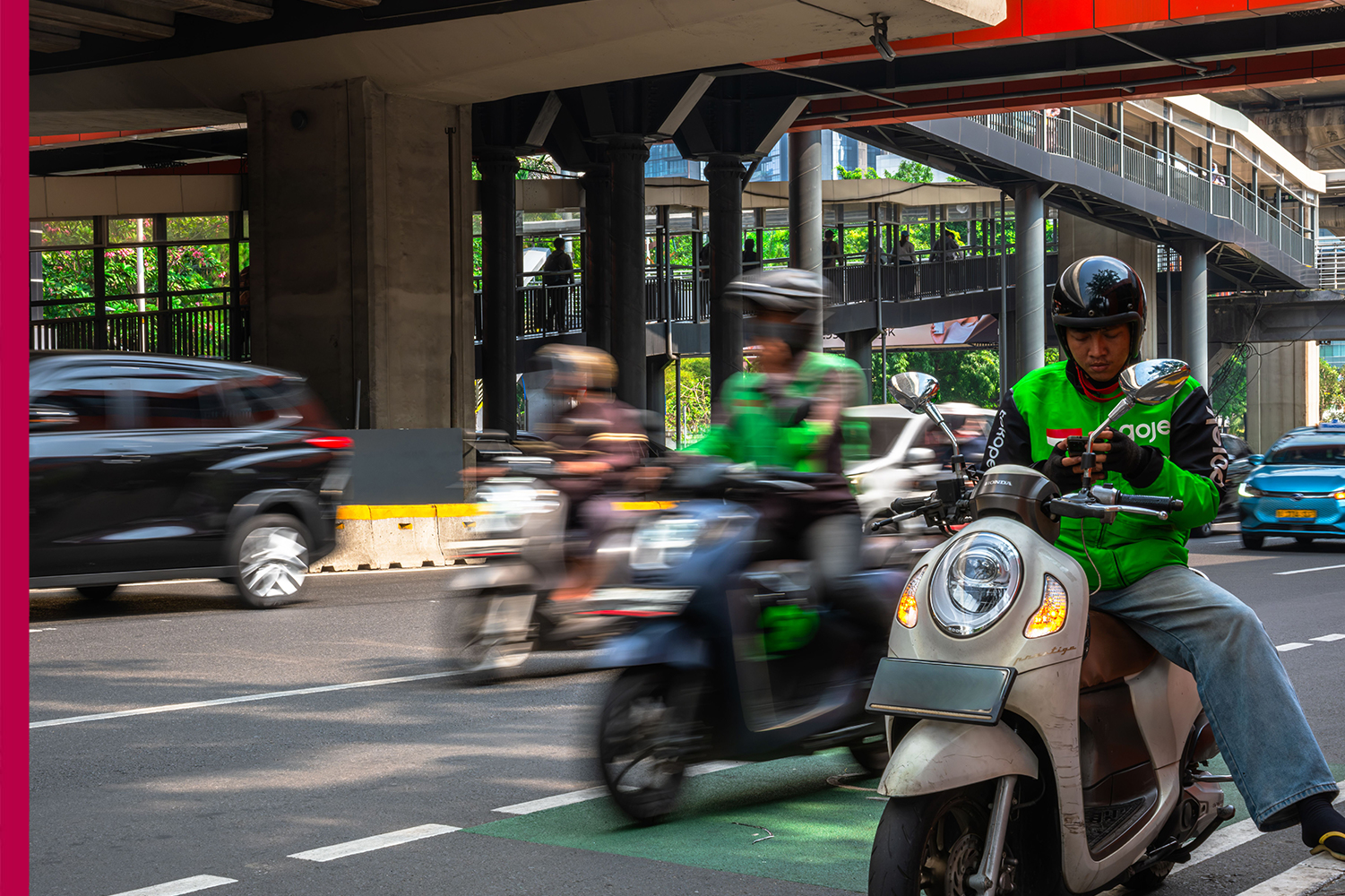
India’s mobility ecosystem is particularly dynamic. Two-wheelers remain central to everyday travel for millions of households, while cars, buses, commercial vehicles, metro systems, and shared transport serve different needs across the country. Electric vehicles are adding another dimension to this landscape, encouraging manufacturers, energy companies, charging providers, and technology businesses to rethink how transportation is powered and maintained.
Recent market developments indicate that electric mobility is moving into a new phase. According to reporting by Business Standard on 3 November 2026, electric passenger-vehicle registrations rose nearly 75% year-on-year in October, even as overall passenger-vehicle registrations declined. Electric vehicles helped manufacturers including Tata Motors and Mahindra cushion the wider market contraction. Meanwhile, electric two-wheeler retail sales reached a record 2.23 lakh units in October, up approximately 48% compared with October 2025, according to Autocar India.
These figures highlight the growing role of electrification, but they do not mean the transition is complete. Consumers continue to consider purchase prices, charging access, driving range, maintenance, battery durability, and resale value. For commercial operators, the decision also involves vehicle utilisation, operating costs, charging schedules, and the availability of service networks.
Manufacturers must therefore compete on the entire ownership experience rather than vehicle specifications alone. Dependable after-sales service, transparent warranties, reliable software, and convenient charging can influence whether a customer chooses an electric vehicle and remains satisfied with it. Charging infrastructure must expand in ways that reflect how people actually travel, including residential areas, workplaces, highways, commercial centres, and fleet depots.
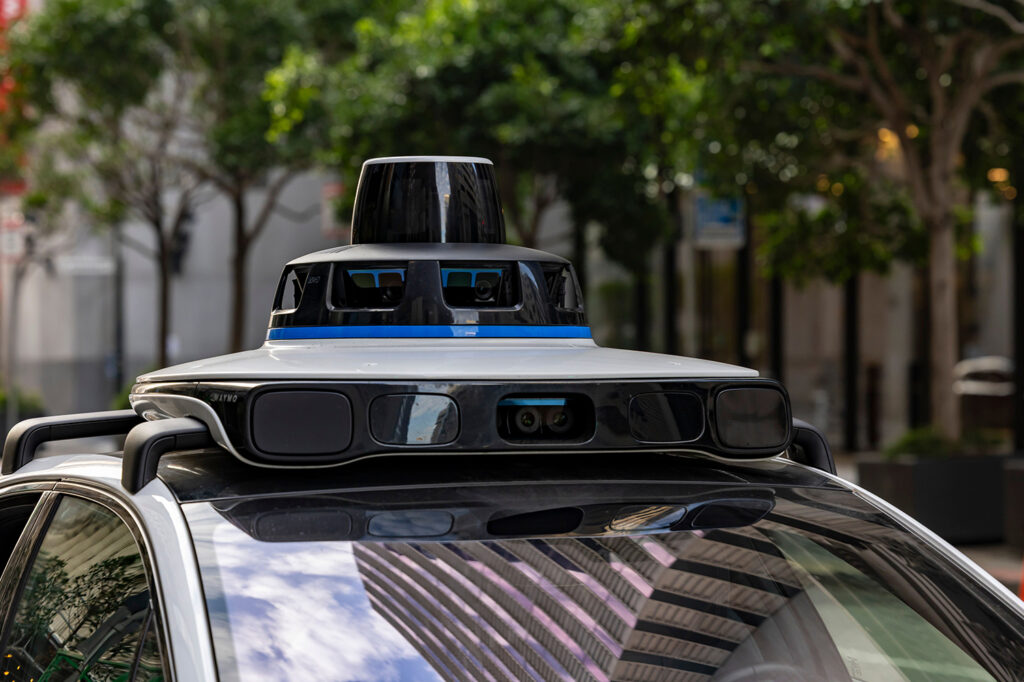
Technology is also changing mobility beyond electrification. Connected vehicles can provide useful information about maintenance and performance. Data-driven traffic systems may improve the management of congestion, while intelligent logistics platforms can help businesses plan deliveries more efficiently. Driver-assistance technologies can support safety when designed and used appropriately, although infrastructure, responsible driving, and effective enforcement remain essential.
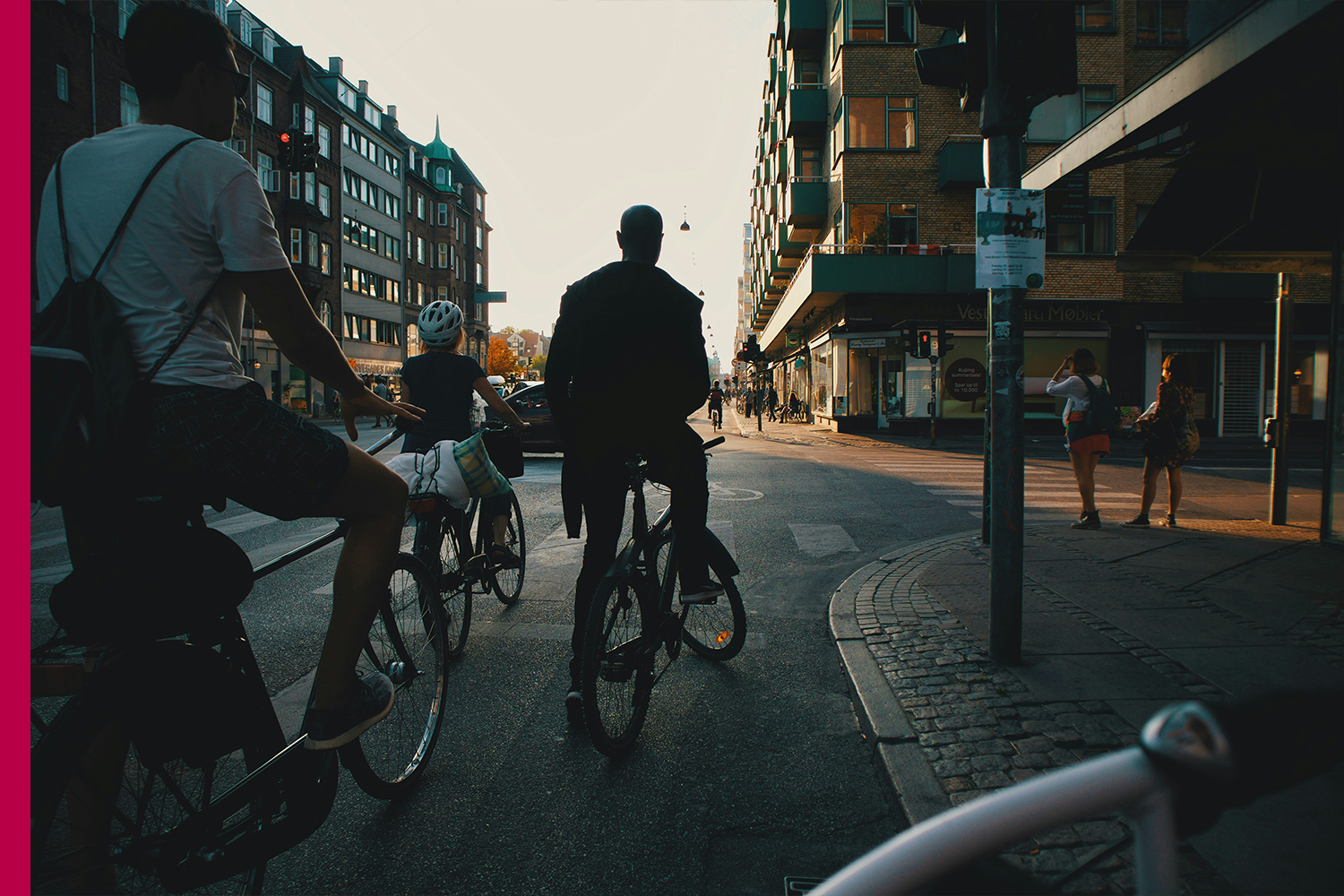
The future of mobility must also be inclusive. A transport system is only effective if it serves people who cannot afford private vehicles, individuals with disabilities, older citizens, and communities located far from major urban centres. Reliable public transport, safe pedestrian routes, cycling infrastructure, and well-integrated connections between transport modes can reduce dependence on private vehicles while improving access to employment, education, and healthcare.
Sustainability is another central consideration. Electric vehicles can reduce tailpipe emissions, but their broader environmental benefits depend partly on electricity generation, battery production, recycling, and responsible material sourcing. A successful transition requires attention to the complete lifecycle rather than a single technology.
For businesses, mobility presents opportunities across vehicle manufacturing, software, charging networks, fleet management, financing, maintenance, and battery recovery. The strongest organisations will be those that understand how these services connect and where customers continue to experience friction.
Mobility’s future will not be defined by one vehicle type or one breakthrough. It will emerge from the integration of technology, infrastructure, affordability, safety, and thoughtful urban planning.
The ultimate goal is not simply to move faster. It is to help people and goods move more reliably, affordably, and responsibly—creating a transport ecosystem that supports both economic progress and everyday life.