


Metal recycling has become a vital component of sustainable development, offering an effective way to conserve natural resources, reduce environmental impact, and support economic growth. As industries expand and demand for raw materials increases, recycling metals provides a practical solution to minimize waste and promote a circular economy where resources are reused rather than discarded.
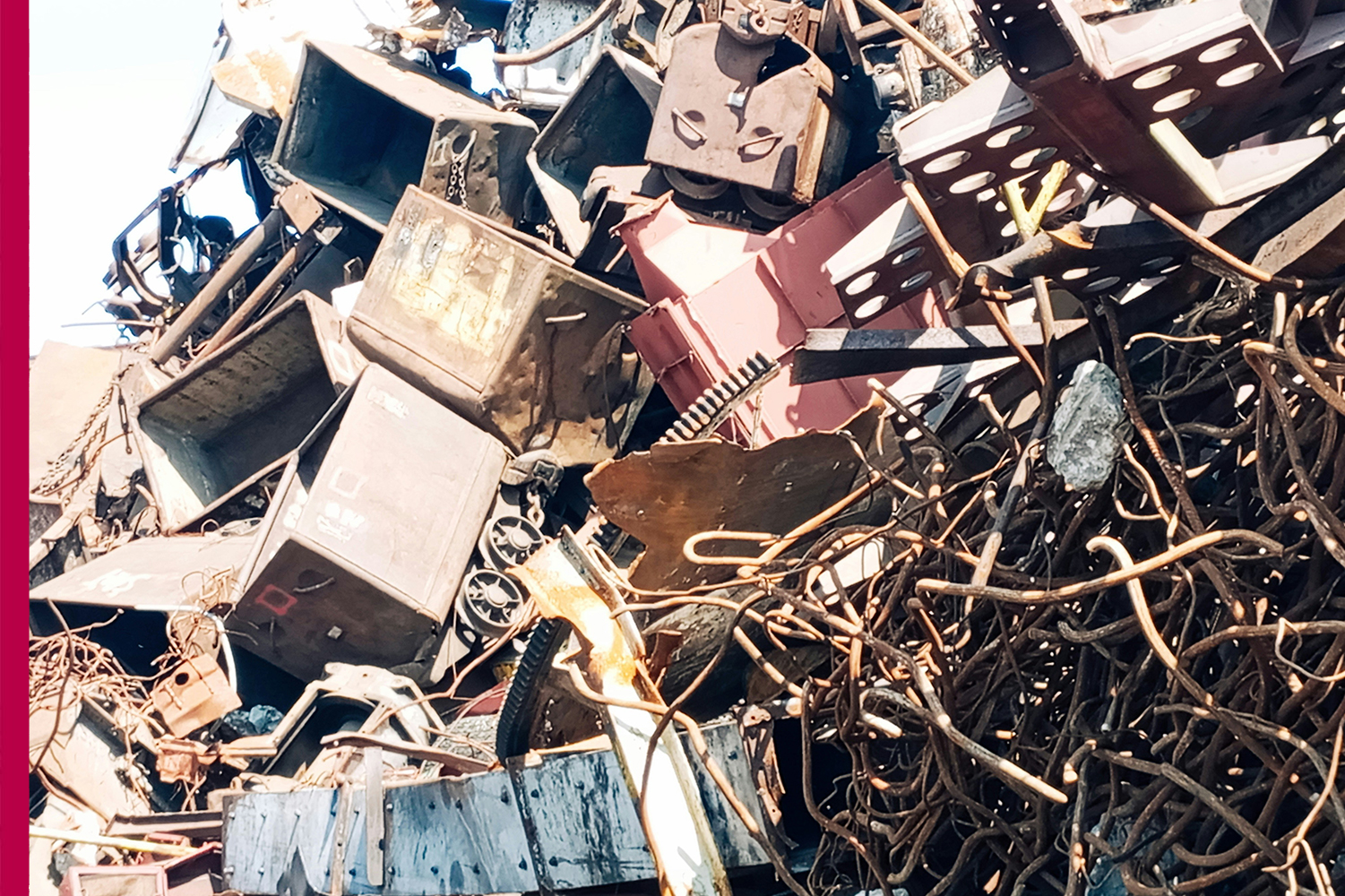
At its core, metal recycling involves collecting, processing, and reusing metals such as steel, aluminum, copper, and iron. Unlike many other materials, metals can be recycled repeatedly without losing their properties. This makes them highly valuable in sustainable manufacturing processes. By reintroducing recycled metals into production, industries can significantly reduce the need for mining and extraction, which are often energy-intensive and environmentally damaging.
One of the most important benefits of metal recycling is energy conservation. Producing metals from recycled materials requires far less energy compared to extracting them from raw ores. For example, recycling aluminum can save up to 90% of the energy needed for primary production. This reduction in energy consumption directly lowers greenhouse gas emissions, contributing to efforts to combat climate change.
Environmental protection is another key advantage of metal recycling. Mining activities can lead to deforestation, soil erosion, and water pollution. By reducing the demand for raw materials, recycling helps preserve ecosystems and biodiversity. Additionally, recycling reduces the amount of waste sent to landfills, minimizing environmental hazards and promoting cleaner surroundings.
The concept of Circular Economy is closely linked to metal recycling. In a circular economy, materials are kept in use for as long as possible, and waste is minimized. Metal recycling supports this model by ensuring that valuable resources are continuously reused, creating a more sustainable and efficient system.
Economic benefits also play a significant role in promoting metal recycling. The recycling industry creates jobs in collection, processing, and manufacturing sectors. It also reduces production costs for industries by providing a more affordable alternative to raw materials. This makes recycling not only environmentally beneficial but also economically viable.
In countries like India, metal recycling is gaining importance as industrial growth increases demand for resources. Government initiatives and awareness campaigns are encouraging businesses and individuals to adopt recycling practices. Informal recycling sectors are also being integrated into formal systems to improve efficiency and working conditions.
Despite its advantages, metal recycling faces challenges such as inadequate infrastructure, lack of awareness, and inefficient waste management systems. Contamination of recyclable materials and improper disposal can reduce the effectiveness of recycling processes. Addressing these challenges requires investment in technology, better waste segregation practices, and public education.
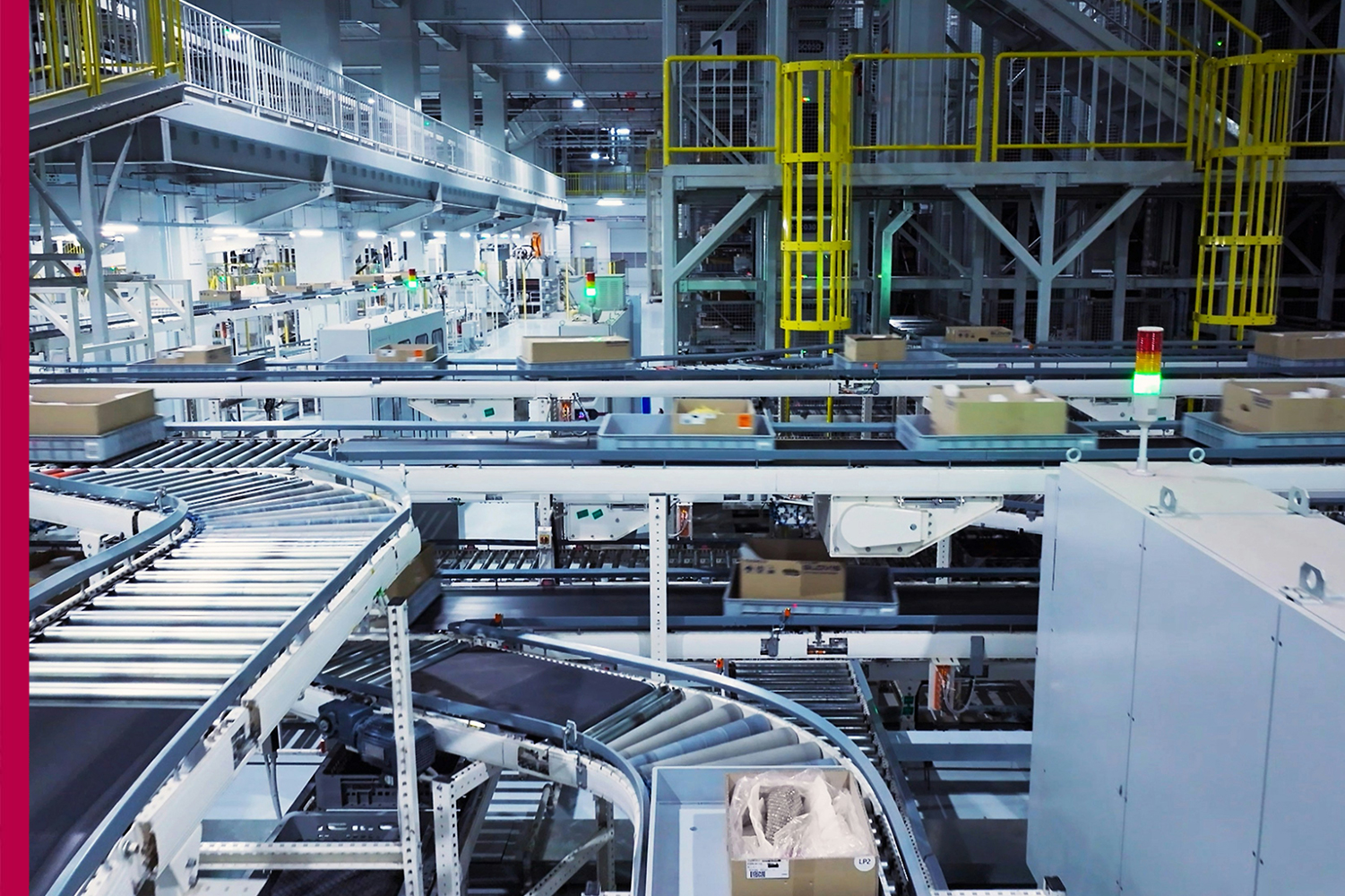
Technological advancements are improving the efficiency of metal recycling. Modern sorting techniques, automated processing systems, and advanced smelting methods are making it easier to recover and reuse metals. These innovations are helping increase recycling rates and reduce environmental impact.
Consumer participation is also crucial for the success of metal recycling. Proper disposal of metal waste, awareness of recycling practices, and support for sustainable products can significantly contribute to the overall system. Collective efforts from individuals, industries, and governments are essential for achieving sustainability goals.
In conclusion, metal recycling is a key driver of sustainability, offering environmental, economic, and social benefits. By conserving resources, reducing energy consumption, and supporting a circular economy, recycling plays a crucial role in building a sustainable future. As awareness and technology continue to advance, metal recycling will remain an essential part of global efforts to protect the planet and ensure responsible resource management.