


The manufacturing sector plays a vital role in driving economic development, employment generation, and technological progress. While automation and advanced machinery are reshaping the industry, the importance of a skilled workforce remains irreplaceable. Skilled workers are the backbone of manufacturing, ensuring efficiency, quality, and innovation in production processes.
A skilled workforce consists of individuals who possess technical knowledge, hands-on experience, and problem-solving abilities in specific areas of manufacturing. These skills include machine operation, maintenance, quality control, design, and process management. As industries adopt modern technologies, the demand for workers with specialized skills continues to rise.
One of the most significant contributions of a skilled workforce is improved productivity. Trained workers can operate machinery efficiently, reduce downtime, and optimize production processes. Their expertise helps minimize errors and wastage, leading to higher output and cost savings. This efficiency is crucial for businesses aiming to remain competitive in global markets.
Quality control is another area where skilled workers play a critical role. Manufacturing industries must adhere to strict standards to ensure product reliability and customer satisfaction. Skilled employees can identify defects, maintain consistency, and implement quality assurance practices. This not only enhances product value but also strengthens brand reputation.
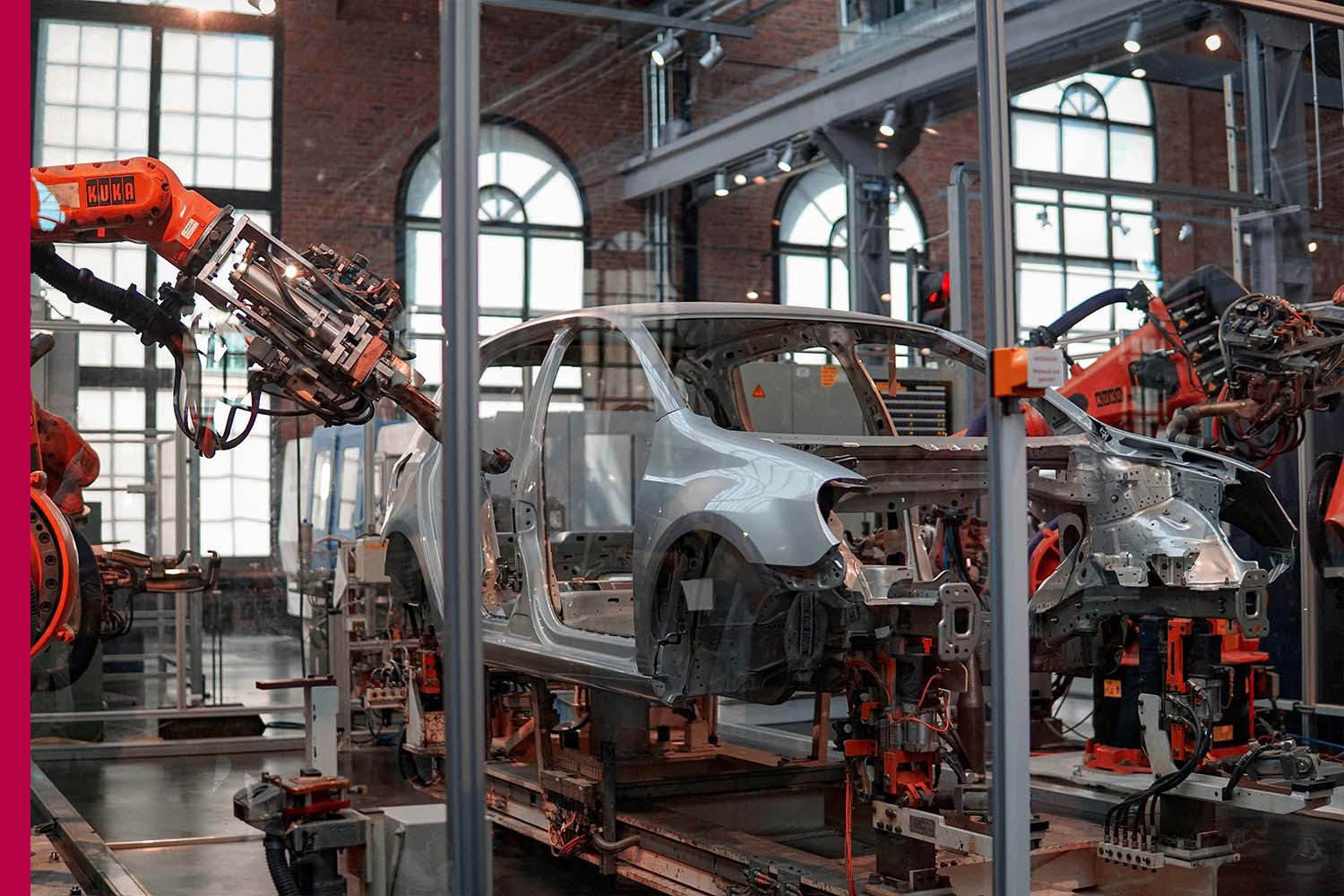
Innovation in manufacturing is closely linked to workforce capabilities. Skilled professionals contribute to the development of new products, improved designs, and advanced production techniques. Their ability to adapt to new technologies and processes drives continuous improvement. For instance, the adoption of robotics and smart manufacturing systems requires workers who can manage and integrate these technologies effectively.
In India, the importance of a skilled workforce is emphasized through initiatives like Make in India. These programs aim to boost industrial growth, attract foreign investment, and create job opportunities. Skill development is a key focus, ensuring that the workforce is prepared to meet the demands of modern manufacturing.
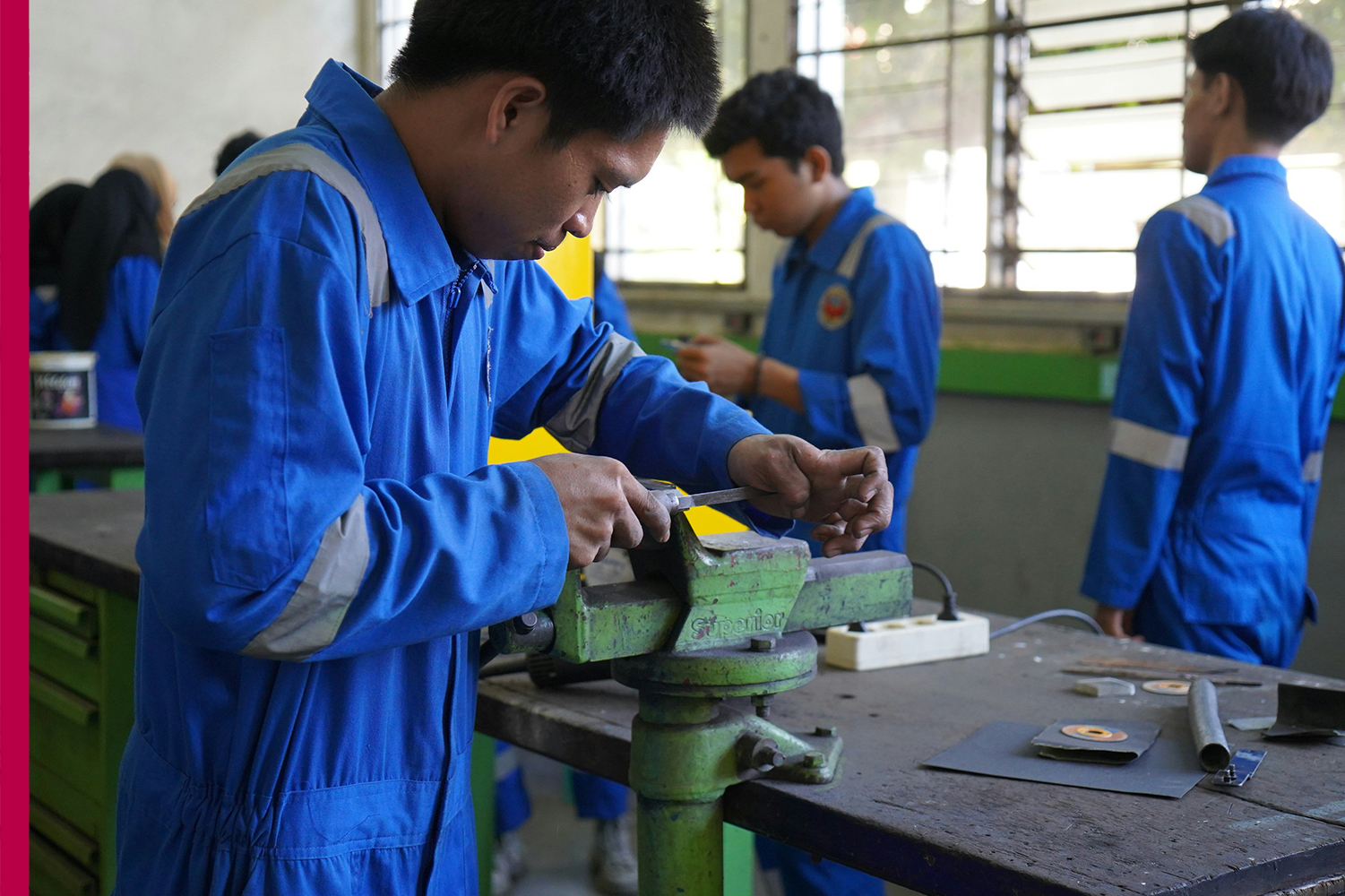
Training and education are essential for building and sustaining a skilled workforce. Vocational training institutes, technical colleges, and industry partnerships provide practical knowledge and hands-on experience. Continuous upskilling is also necessary as technology evolves rapidly. Workers must regularly update their skills to remain relevant in a dynamic industrial environment.
Safety is another critical aspect influenced by workforce skills. Manufacturing environments often involve complex machinery and potentially hazardous conditions. Skilled workers are trained to follow safety protocols, handle equipment responsibly, and respond effectively to emergencies. This reduces the risk of accidents and ensures a safer workplace.
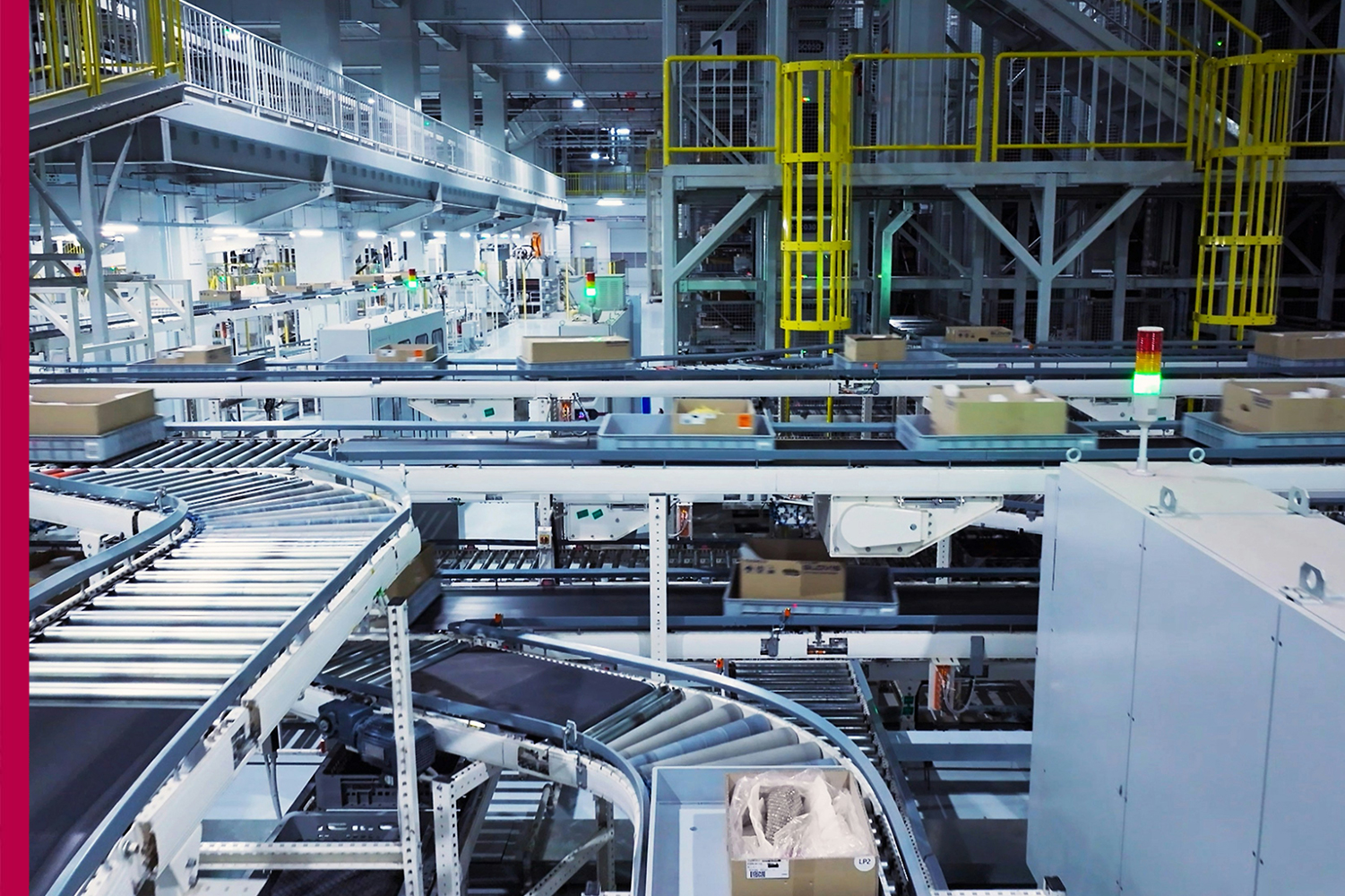
The rise of digital manufacturing, often referred to as Industry 4.0, is transforming the sector. Technologies such as automation, artificial intelligence, and the Internet of Things are becoming integral to production processes. This shift requires a workforce that is not only technically skilled but also digitally proficient. Employees must be able to analyze data, manage automated systems, and collaborate with advanced technologies.
Despite its importance, the manufacturing sector faces challenges related to skill gaps. Rapid technological advancements can outpace training programs, leading to a shortage of qualified workers. Addressing this issue requires collaboration between governments, educational institutions, and industries to develop relevant skill development programs.
Investing in a skilled workforce also has broader economic benefits. It enhances productivity, supports innovation, and attracts investment. A well-trained workforce strengthens a country’s manufacturing capabilities and contributes to long-term economic growth.
In conclusion, the role of a skilled workforce in manufacturing is fundamental to industrial success. Skilled workers drive productivity, ensure quality, and enable innovation, making them indispensable in a rapidly evolving industry. As manufacturing continues to advance, investing in skill development and continuous learning will be essential for building a resilient and future-ready workforce.