



India’s ambition to become a major global manufacturing destination is entering a more ambitious phase, and semiconductors are at the centre of that transformation.
A significant development came on November 6, when the Union Government launched the Semicon 2.0 application portal and announced 12 additional approvals under the Electronics Components Manufacturing Scheme. The new approvals involve projected investments of ₹7,503 crore, expected production of ₹39,045 crore and around 7,127 direct employment opportunities.
The announcement is important because it signals a shift in India’s electronics strategy. The focus is no longer limited to assembling finished products. The country is working to develop the components, materials, equipment and technical capabilities required to build a more complete domestic manufacturing ecosystem.
The newly approved projects cover products such as multi-layer printed circuit boards, relays, heat sinks, specialty ceramics, copper foil, battery materials and factory automation equipment. Several projects are located in states including Tamil Nadu, Karnataka, Gujarat and Maharashtra, expanding the geographical reach of the manufacturing ecosystem.
The wider Semicon 2.0 programme has a proposed fiscal outlay of ₹1,27,500 crore and is structured around six pillars, including chip design, manufacturing facilities, advanced packaging, research and development, materials and talent development. The government has also reported that five projects from the first phase had commenced commercial production by October 2026.
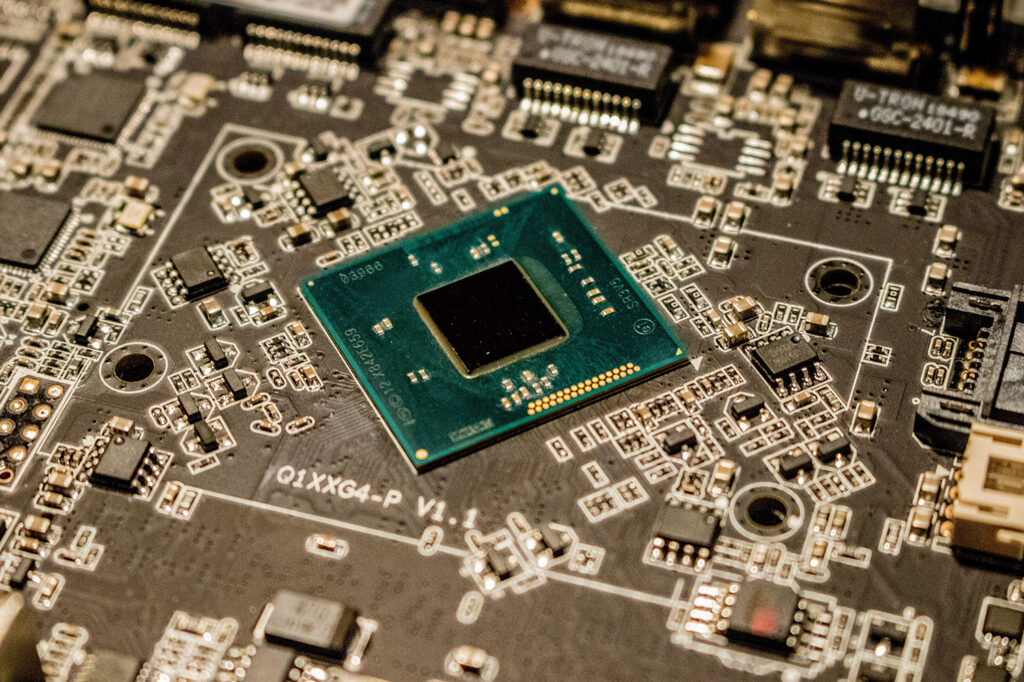
For India, the opportunity extends far beyond the semiconductor industry. A stronger domestic electronics supply chain can support automobile manufacturers, consumer electronics brands, telecommunications companies, defence suppliers and emerging technology businesses. It could also create demand for skilled engineers, technicians, designers and specialised industrial service providers.
However, becoming a competitive manufacturing hub requires more than investment announcements. Reliable infrastructure, advanced technology, skilled workers, consistent quality standards and access to global markets will determine whether these projects can deliver long-term results.
The next stage will be about execution: turning approved investments into operational facilities, building dependable supplier networks and developing products that can compete internationally.
India’s manufacturing story is becoming increasingly sophisticated. The real question is no longer whether the country wants to manufacture advanced technology, but how quickly it can build the capabilities to do it at scale.