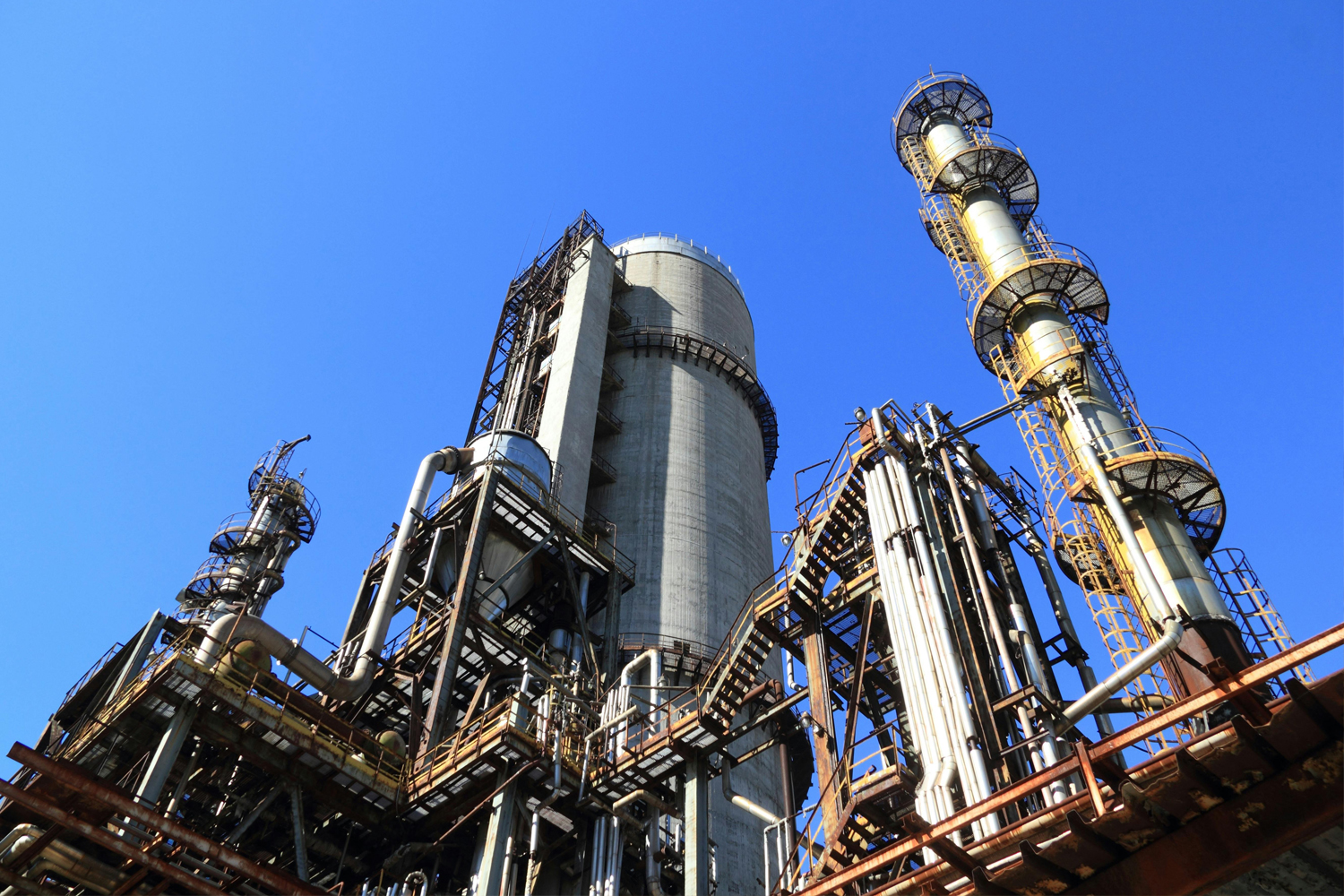







Global manufacturing is undergoing a major transformation driven by technological advancement, shifting economic trends, and changing consumer demands. Manufacturing has long been the backbone of industrial growth and international trade, producing everything from automobiles and electronics to textiles and machinery. Today, the future of global manufacturing is being shaped by automation, digitalization, sustainability, and smart production systems that are redefining how goods are designed, produced, and distributed.
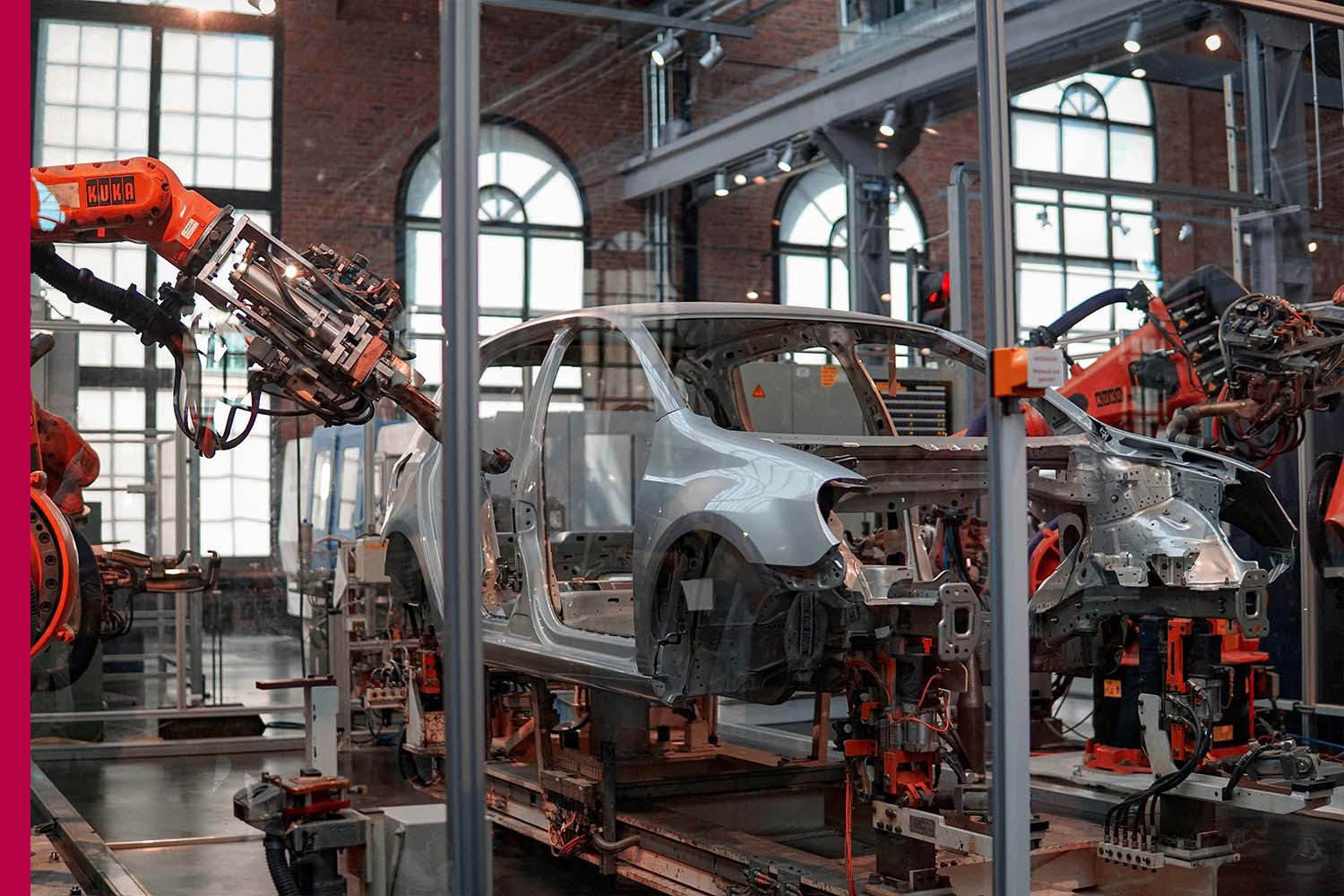
One of the most significant changes in manufacturing is the rise of automation and robotics. Modern factories increasingly use robotic systems to perform repetitive tasks with greater speed, accuracy, and efficiency. Automation helps reduce production errors, improve quality control, and increase productivity while lowering long-term operational costs. Industries such as automotive, electronics, and logistics are already heavily dependent on robotic manufacturing systems, and this trend is expected to expand further in the coming years.
Artificial Intelligence (AI) and machine learning are also transforming manufacturing processes. Smart factories equipped with AI-powered systems can monitor production lines, predict equipment failures, optimize energy usage, and improve decision-making through data analysis. Predictive maintenance reduces downtime and increases efficiency, while AI-driven analytics help manufacturers respond quickly to market changes and customer preferences.
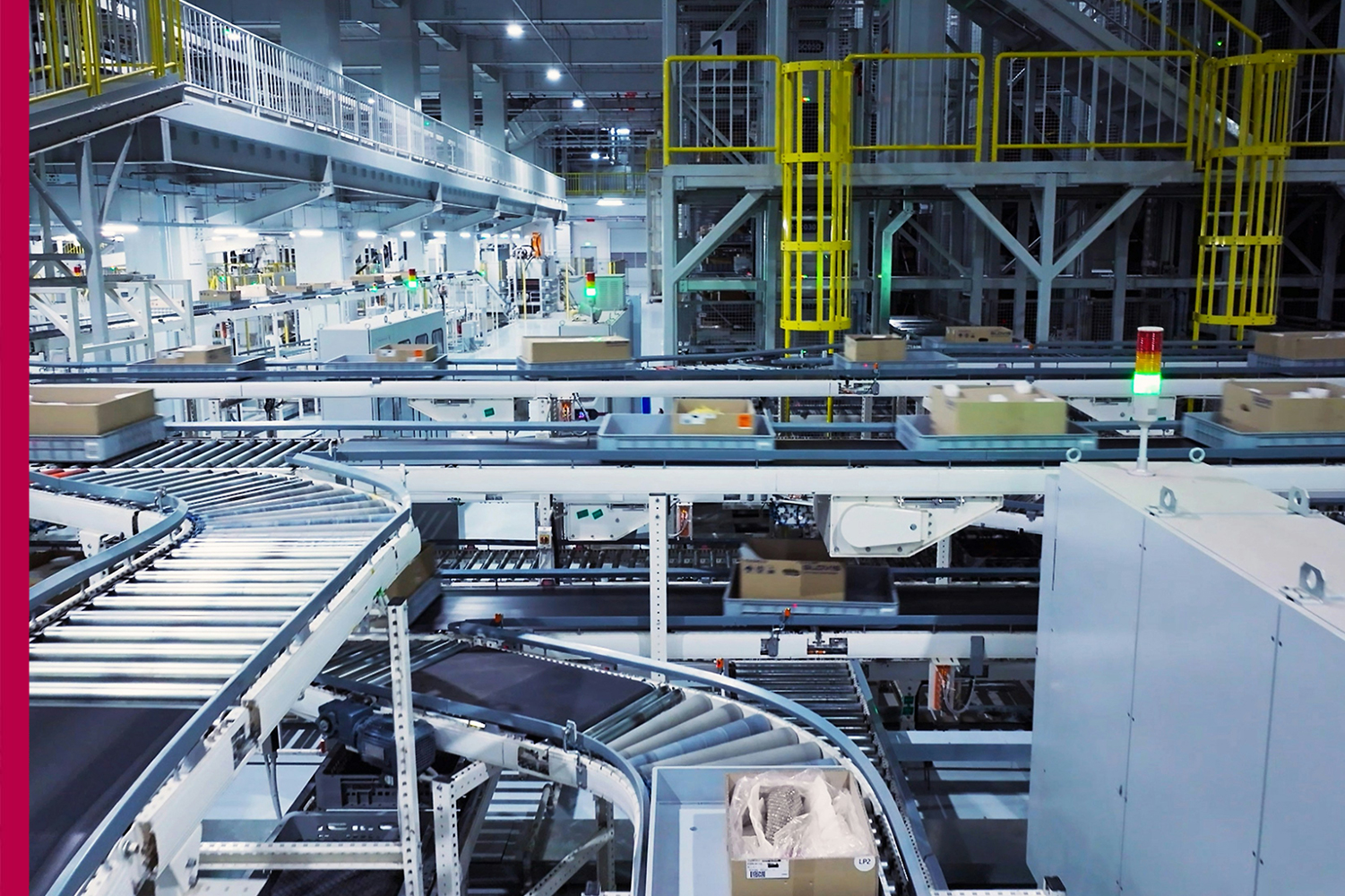
The Internet of Things (IoT) is another key factor shaping the future of manufacturing. Connected devices and sensors allow machines, warehouses, and supply chains to communicate in real time. This connectivity improves inventory management, product tracking, and production planning. Smart manufacturing systems provide businesses with greater visibility and control over operations, leading to faster and more flexible production processes.
Sustainability is becoming a central focus in global manufacturing. Consumers, governments, and investors increasingly expect industries to reduce environmental impact and adopt eco-friendly practices. Manufacturers are investing in renewable energy, recycling systems, energy-efficient machinery, and sustainable raw materials. Circular manufacturing models, where products are reused, repaired, or recycled, are gaining importance as industries seek to reduce waste and conserve resources.
3D printing and additive manufacturing are introducing new possibilities for customized production. These technologies allow manufacturers to create complex parts with minimal material waste and faster prototyping. Industries such as healthcare, aerospace, automotive, and fashion are using 3D printing to produce specialized components and personalized products. This innovation supports shorter production cycles and greater design flexibility.
Global supply chains are also evolving in response to recent economic disruptions and geopolitical challenges. Many companies are diversifying suppliers and adopting regional manufacturing strategies to reduce dependence on single markets. Nearshoring and reshoring are becoming more common as businesses prioritize supply chain resilience and faster delivery times.
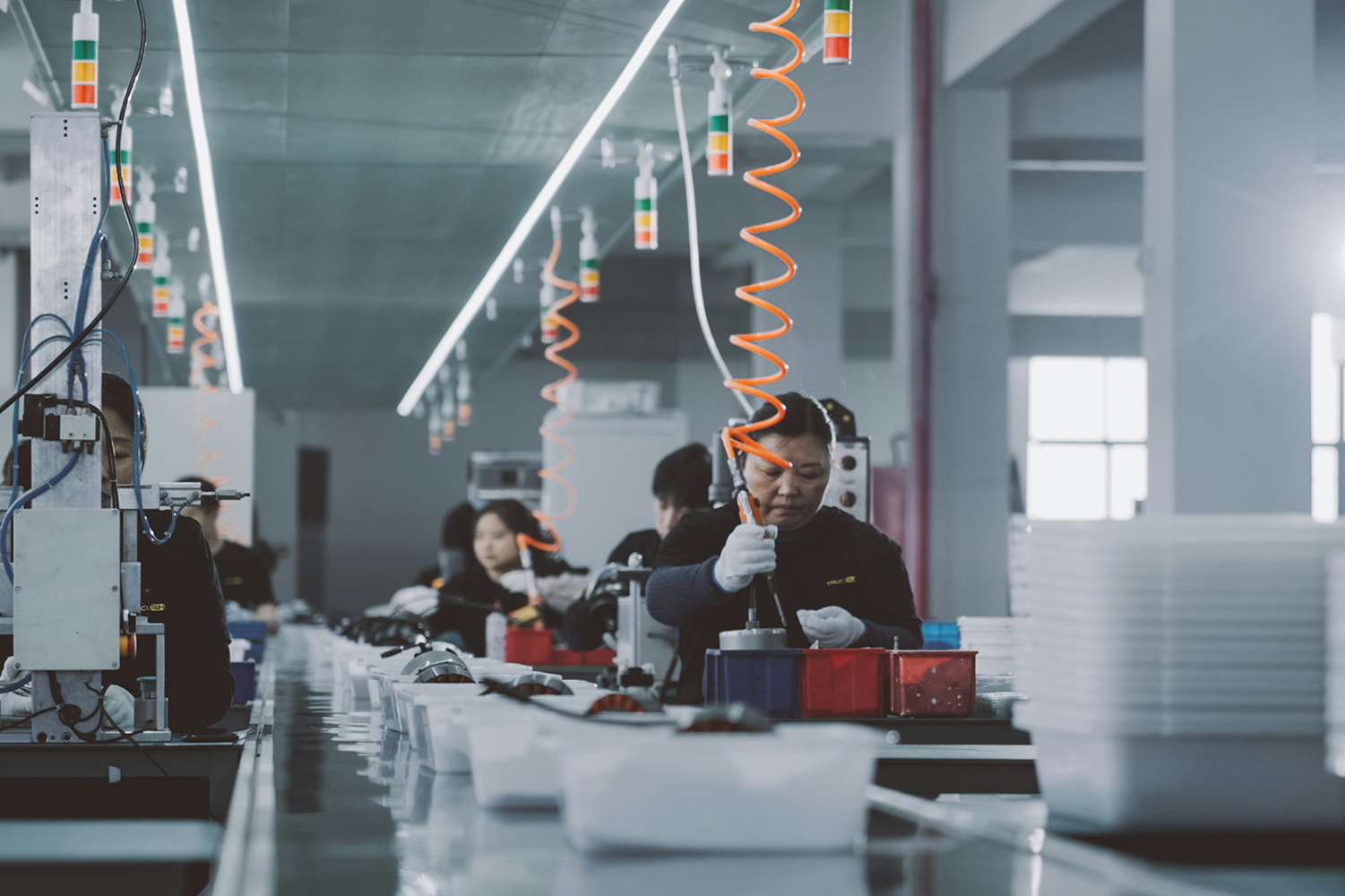
Workforce transformation is another important aspect of future manufacturing. As automation increases, demand for highly skilled workers in robotics, software engineering, AI, and data analysis continues to grow. Training and upskilling programs will play a crucial role in preparing workers for advanced manufacturing environments. Human expertise will remain essential for innovation, problem-solving, and managing complex technologies.
Despite the opportunities, challenges such as cybersecurity risks, rising technology costs, and global competition continue to affect the manufacturing sector. Businesses must balance innovation with affordability while adapting to rapidly changing market conditions.
In conclusion, the future of global manufacturing will be defined by smart technology, sustainability, and digital transformation. Automation, AI, IoT, and advanced production methods are creating faster, cleaner, and more efficient manufacturing systems. As industries continue to evolve, manufacturers that embrace innovation and adaptability will lead the next era of global industrial growth.