

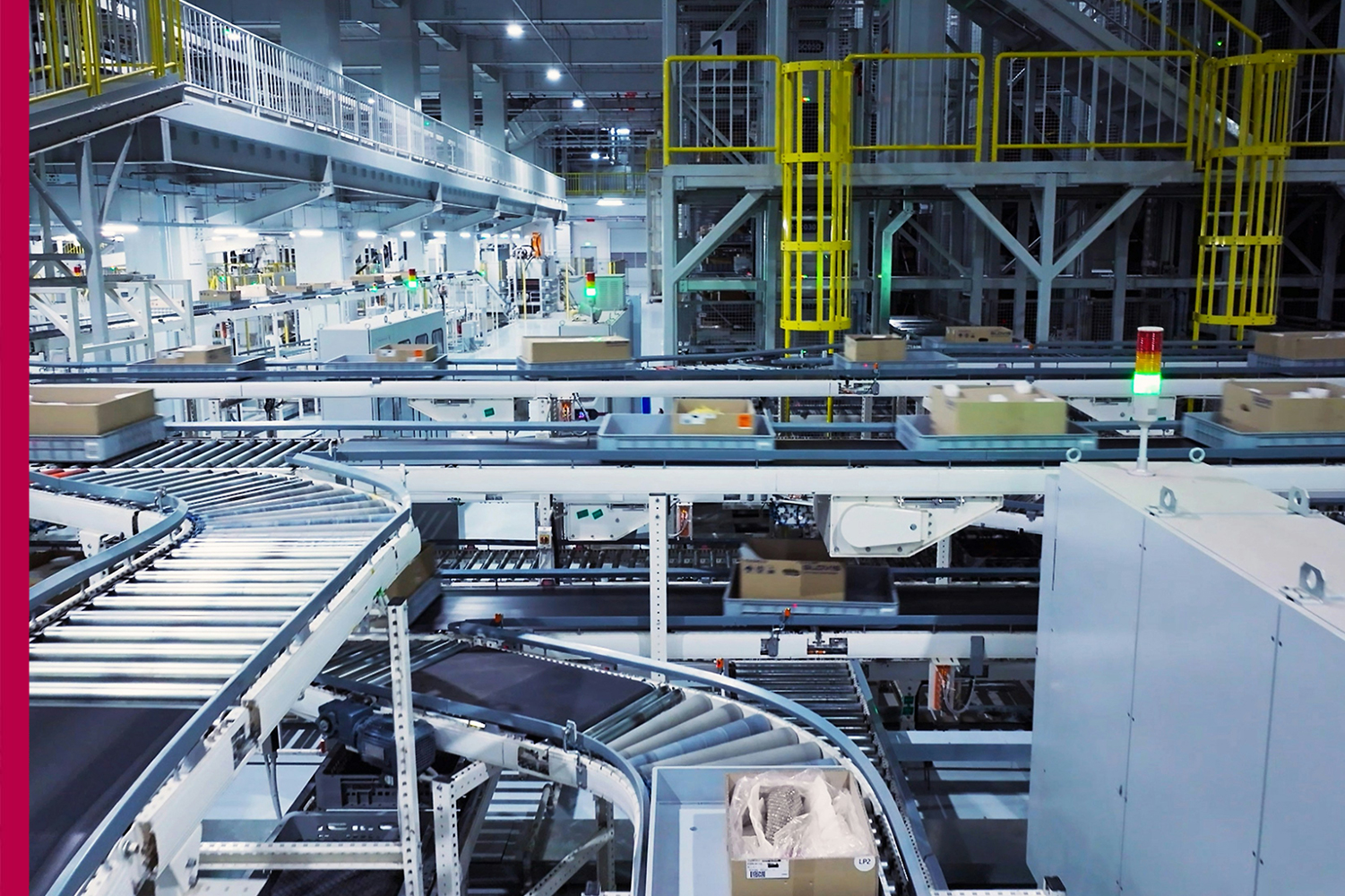



The rapid growth of e-commerce has transformed the logistics landscape, making warehousing a critical component of efficient order fulfillment. As consumer expectations shift toward faster deliveries, real-time tracking, and seamless returns, businesses are rethinking traditional warehousing models. Modern warehouses are no longer just storage spaces they are dynamic, technology-driven hubs that enable speed, accuracy, and scalability.
One of the most prominent trends in e-commerce warehousing is the rise of automation. Automated storage and retrieval systems, robotic picking solutions, and conveyor-based sorting systems are becoming increasingly common. These technologies reduce manual labor, improve accuracy, and significantly speed up order processing. Robots can work around the clock, ensuring higher productivity and enabling warehouses to handle large volumes of orders, especially during peak seasons.
Another key trend is the shift toward micro-fulfillment centers. To meet the demand for faster delivery, companies are establishing smaller, strategically located warehouses closer to urban areas. These micro-fulfillment centers enable same-day or next-day delivery by reducing the distance between products and customers. This decentralized approach enhances efficiency while improving customer satisfaction.
Data-driven operations are also reshaping warehousing strategies. Advanced analytics and real-time data tracking allow businesses to optimize inventory management, forecast demand, and reduce stockouts or overstocking. Warehouse management systems (WMS) provide visibility into inventory levels, order status, and operational performance, enabling better decision-making and streamlined processes.
The integration of artificial intelligence is further enhancing warehouse efficiency. AI-powered systems can predict demand patterns, optimize picking routes, and improve space utilization. By analyzing historical data and current trends, these systems help businesses respond quickly to changing market conditions and customer preferences.
Sustainability is becoming an important focus in e-commerce warehousing. Companies are adopting eco-friendly practices such as energy-efficient lighting, solar-powered facilities, and sustainable packaging solutions. Optimized transportation routes and reduced waste contribute to lowering the overall environmental impact. As consumers become more environmentally conscious, sustainable warehousing practices also enhance brand reputation.
Flexibility and scalability are essential in today’s e-commerce environment. Warehouses must be able to adapt quickly to fluctuating demand, especially during sales events or seasonal peaks. Flexible storage solutions, modular layouts, and third-party logistics partnerships allow businesses to scale operations up or down as needed without significant investment in permanent infrastructure.
The growth of omnichannel retailing is also influencing warehousing trends. Businesses are integrating online and offline operations to provide a seamless shopping experience. Warehouses are now designed to handle both direct-to-consumer shipments and store replenishments, requiring more sophisticated inventory management and coordination.
Reverse logistics is another area gaining attention. With the increase in online shopping, product returns have become more common. Efficient return processing systems are essential to handle returned goods quickly and reintegrate them into inventory. This not only reduces losses but also improves customer satisfaction.
In conclusion, warehousing trends in e-commerce are evolving rapidly to meet the demands of a digital-first marketplace. Through automation, data integration, sustainability, and flexible operations, modern warehouses are becoming smarter and more efficient. As e-commerce continues to grow, these innovations will play a vital role in shaping the future of logistics and customer experience.