








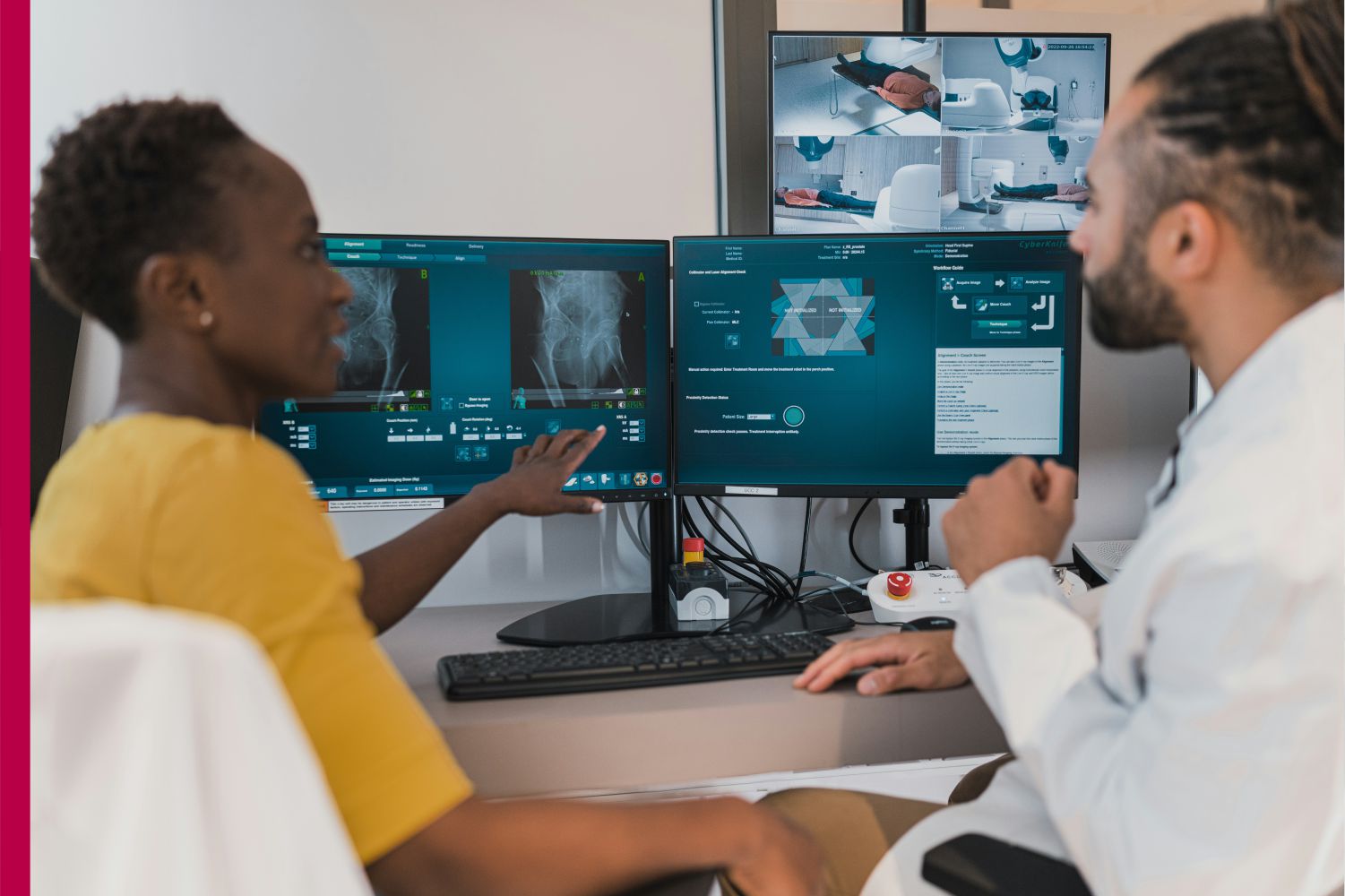
The healthcare industry is undergoing a profound transformation driven by technological innovation, changing patient expectations, and global health challenges. The future of healthcare is not only about treating diseases but also about preventing them, improving quality of life, and making medical services more accessible and efficient. As advancements continue to reshape the sector, healthcare systems around the world are evolving toward a more patient-centric and technology-driven model.
One of the most significant trends shaping the future of healthcare is the integration of digital technology. Tools such as electronic health records, wearable devices, and mobile health applications are enabling better monitoring and management of patient health. Technologies like Artificial Intelligence are being used to analyze medical data, assist in diagnosis, and predict potential health risks. This allows healthcare providers to deliver more accurate and timely care.
Telemedicine is another major development transforming the industry. Virtual consultations have become increasingly popular, allowing patients to connect with healthcare professionals without the need for physical visits. This is particularly beneficial for individuals in remote or underserved areas, where access to healthcare facilities may be limited. Telemedicine improves convenience, reduces travel time, and ensures continuity of care.
Personalized medicine is also gaining prominence in the future of healthcare. By analyzing genetic information and individual health data, treatments can be tailored to meet specific patient needs. This approach increases the effectiveness of therapies and reduces the risk of adverse reactions. Advances in genomics and biotechnology are making personalized healthcare more accessible and practical.
The role of preventive healthcare is becoming more important than ever. Instead of focusing solely on treatment, healthcare systems are emphasizing early detection and prevention of diseases. Regular screenings, lifestyle management, and health education are helping individuals take proactive steps toward maintaining their well-being. This shift not only improves health outcomes but also reduces the overall cost of healthcare.
Automation and robotics are also playing a growing role in the industry. From robotic-assisted surgeries to automated administrative processes, these technologies enhance precision and efficiency. They reduce the workload on healthcare professionals, allowing them to focus more on patient care. This is particularly valuable in addressing workforce shortages in the sector.

In countries like India, the future of healthcare is being shaped by a combination of digital innovation and government initiatives aimed at improving access and affordability. Programs focused on expanding healthcare infrastructure and promoting digital health solutions are helping bridge gaps in the system.
Despite these advancements, challenges remain. Data privacy and security are major concerns as healthcare becomes more digitized. Ensuring that patient information is protected is essential for maintaining trust. Additionally, the cost of advanced technologies can be a barrier to widespread adoption, particularly in developing regions.
Another important aspect of the future healthcare landscape is the focus on holistic well-being. Mental health, nutrition, and lifestyle factors are being recognized as integral components of overall health. Healthcare providers are adopting a more comprehensive approach that addresses both physical and mental aspects of well-being.
In conclusion, the future of the healthcare industry is centered on innovation, accessibility, and patient-focused care. By leveraging technology, promoting prevention, and addressing challenges, healthcare systems can deliver better outcomes and improved experiences for patients. As the industry continues to evolve, it holds the potential to create a healthier and more resilient global population.