


Food safety regulations play a vital role in ensuring that the food people consume is safe, hygienic, and free from harmful contaminants. As the global food industry continues to expand, maintaining food quality and safety has become increasingly important for governments, businesses, and consumers. Effective food safety regulations help prevent foodborne illnesses, improve public health, and strengthen consumer confidence in the food supply chain.
Food safety regulations are a set of laws, standards, and guidelines designed to control how food is produced, processed, stored, transported, and sold. These regulations aim to reduce contamination risks caused by bacteria, chemicals, pesticides, allergens, or improper handling practices. Food safety systems apply to every stage of the food supply chain, from farms and factories to restaurants and retail stores.
One of the primary goals of food safety regulations is preventing foodborne diseases. Unsafe food can lead to serious health problems caused by harmful microorganisms such as salmonella, E. coli, and listeria. Governments and food safety authorities establish hygiene standards and inspection procedures to minimize these risks and protect public health.
In India, food safety is regulated by Food Safety and Standards Authority of India, commonly known as FSSAI. The organization sets standards for food quality, labeling, packaging, and hygiene to ensure safe food practices across the country. FSSAI also conducts inspections, awareness campaigns, and licensing processes for food businesses.
Food labeling regulations are another important part of food safety systems. Labels provide consumers with information about ingredients, nutritional value, allergens, expiration dates, and storage instructions. Accurate labeling helps people make informed decisions and avoid health risks related to allergies or dietary restrictions.
Technology is playing an increasingly important role in improving food safety compliance. Advanced monitoring systems powered by the Internet of Things allow businesses to track temperature, storage conditions, and supply chain movement in real time. Smart sensors and automated systems help reduce spoilage and improve food quality management.
Globalization of the food industry has made food safety regulations even more important. Food products are now transported across countries and continents, increasing the need for international safety standards and cooperation. Organizations worldwide work together to ensure consistency in food safety practices and trade regulations.
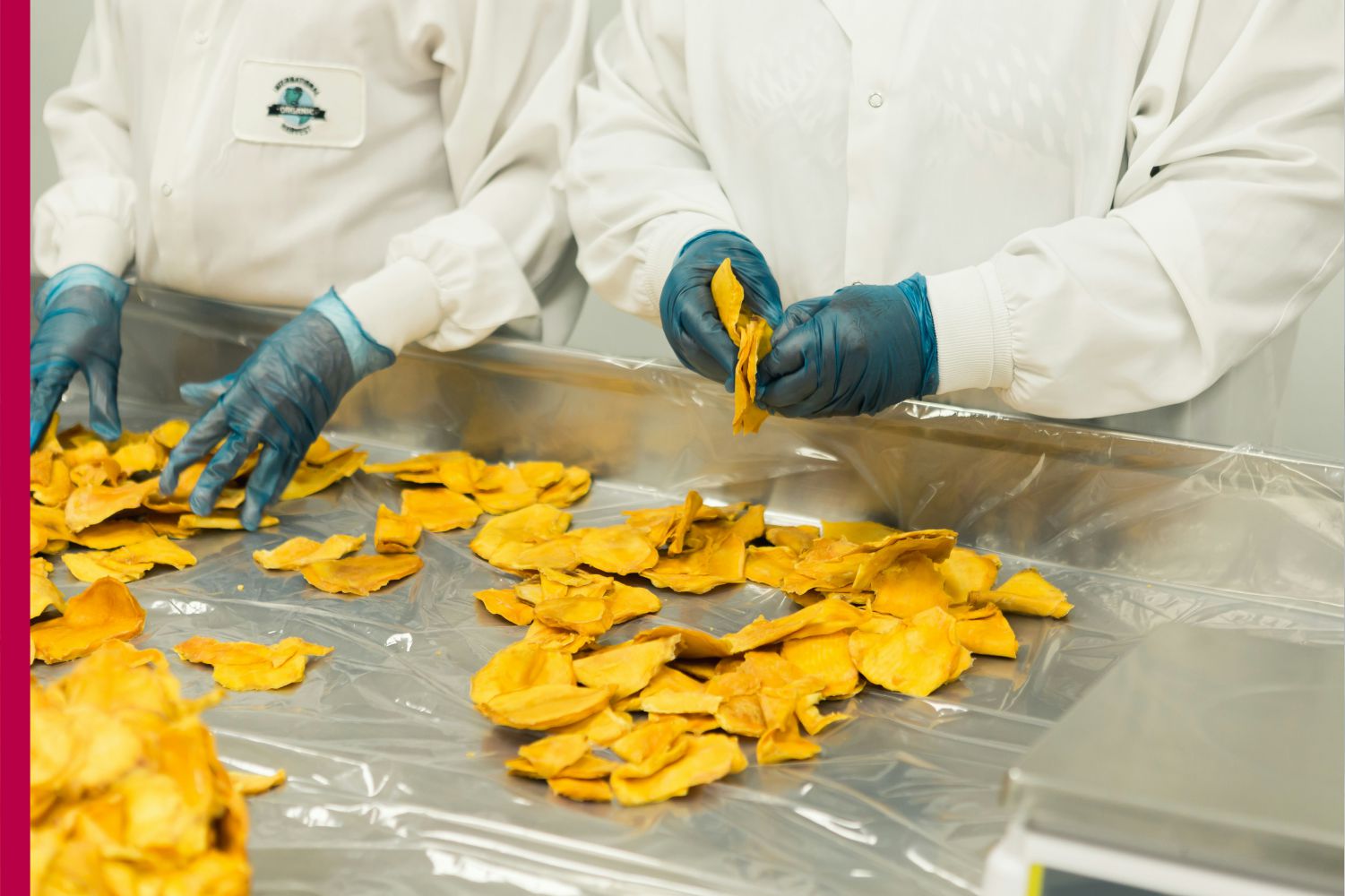
The food processing industry must comply with strict sanitation and manufacturing guidelines. Businesses are required to maintain clean facilities, train employees in hygiene practices, and implement hazard control systems such as HACCP (Hazard Analysis and Critical Control Points). These preventive systems help identify and reduce contamination risks during production.
Consumer awareness about food safety has also increased significantly. People are now more concerned about food quality, organic ingredients, chemical usage, and hygiene standards. Social media and digital platforms have amplified public attention toward food safety incidents, encouraging businesses to maintain higher standards and transparency.
Despite progress, the food industry still faces several challenges. Adulteration, improper storage, counterfeit products, and weak enforcement in some regions continue to pose risks. Small businesses and local vendors may also struggle to meet regulatory standards due to limited resources or lack of awareness.
Food recalls are another critical aspect of food safety management. When contaminated or unsafe products enter the market, companies and regulatory authorities must act quickly to remove them from circulation. Efficient recall systems help reduce health risks and maintain public trust.

Sustainability and food safety are becoming increasingly connected. Safe food production practices now include environmentally responsible farming, reduced chemical usage, and improved waste management. Sustainable food systems support both public health and environmental protection.
The future of food safety regulations will likely involve greater use of artificial intelligence, blockchain, and predictive analytics. These technologies can improve traceability, detect contamination faster, and enhance transparency throughout the supply chain. Digital transformation is expected to strengthen global food safety systems significantly.
In conclusion, food safety regulations are essential for protecting consumers, maintaining public health, and supporting confidence in the food industry. Through strict standards, technological innovation, proper hygiene practices, and effective enforcement, governments and businesses can ensure safer food systems for society. As the global food industry evolves, food safety will remain a critical priority for sustainable and responsible development.