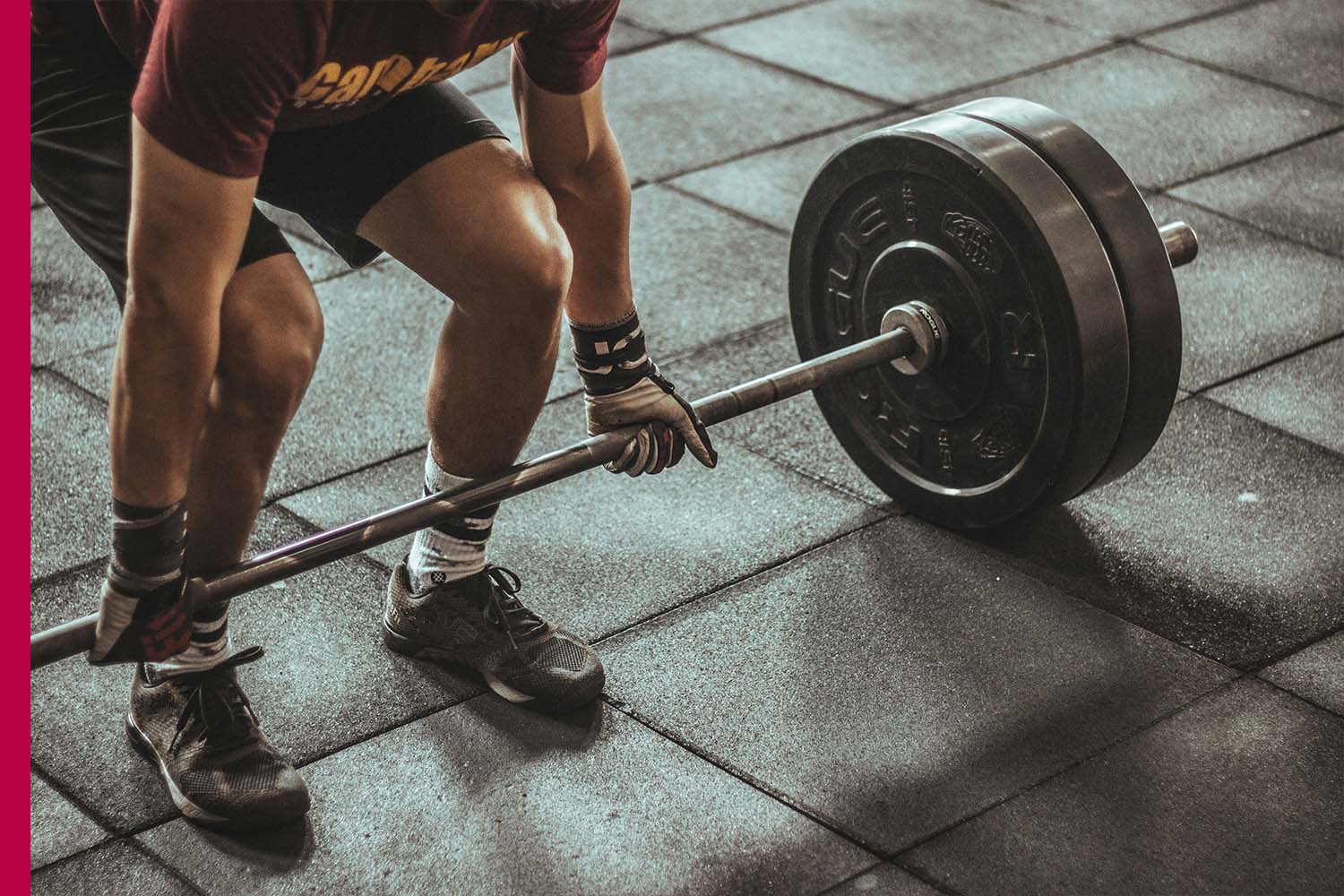








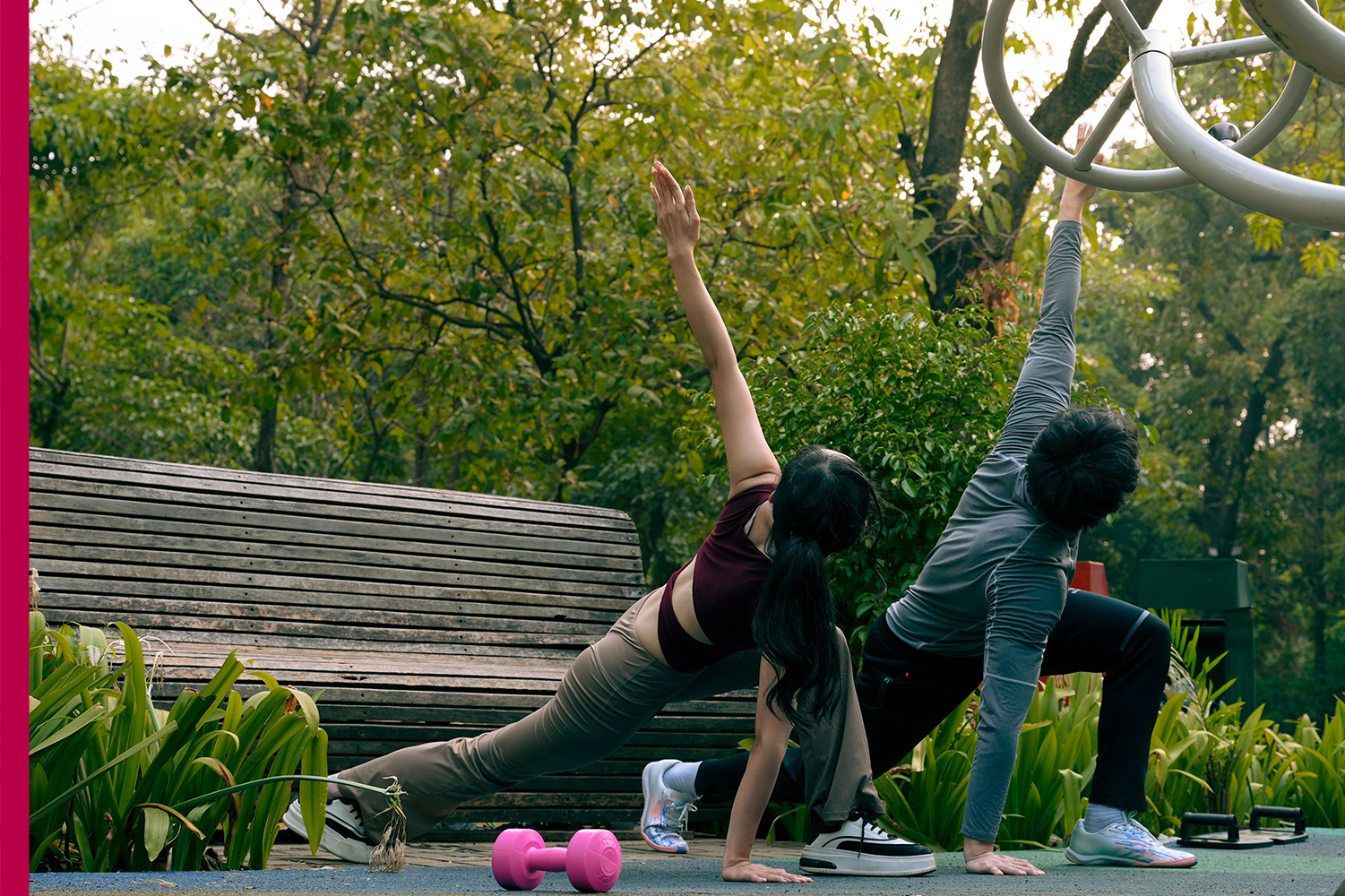
For decades, the fitness industry operated largely as a consumer business. People joined gyms to build strength, lose weight, improve their appearance or prepare for sporting competitions. Today, that traditional model is changing. Fitness is increasingly being recognised as an essential part of preventive healthcare, healthy ageing and long-term disease management.
The shift is becoming visible in policy discussions, business strategies and the way health professionals approach physical activity. A major development in the United Kingdom on November 23, 2026, highlighted the growing connection between the fitness sector and mainstream healthcare. Members of Parliament called for the removal of bureaucratic barriers that prevent National Health Service facilities from working more closely with gyms and leisure centres.
The proposal reflects a broader change in healthcare thinking: instead of relying almost entirely on hospitals and medical interventions, health systems must also invest in prevention, rehabilitation and community-based support.
From gym membership to healthcare partnership
The integration of fitness facilities into healthcare systems could create opportunities for exercise professionals to work alongside doctors, physiotherapists and other specialists. Community leisure centres may become locations for rehabilitation programmes, physical activity referrals, screening initiatives and support for people managing long-term conditions.
Evidence presented during the UK parliamentary discussions included examples of leisure-centre partnerships supporting patients with osteoarthritis through structured exercise programmes. These initiatives demonstrate how appropriately trained fitness professionals can contribute to recovery and help people remain physically active.
The opportunity is significant because many health conditions are influenced by lifestyle factors. Physical inactivity is associated with increased risks of cardiovascular disease, type 2 diabetes and several other chronic conditions. Regular exercise, when appropriately prescribed and supervised, can support prevention and improve quality of life.
However, the industry must develop beyond the traditional membership model. Fitness operators will need qualified staff, evidence-based programmes, appropriate insurance, reliable outcome measurement and stronger relationships with healthcare providers.
A global industry responding to changing expectations
The commercial fitness sector is also expanding its definition of value. Modern facilities increasingly combine strength training, cardiovascular exercise, personal coaching, recovery services, group classes and digital monitoring.
Consumers are becoming more interested in measurable health outcomes rather than simply the number of workouts completed. Wearable devices, connected exercise equipment and digital coaching platforms allow users to monitor heart rate, activity levels, sleep patterns and training progress.
Artificial intelligence is beginning to influence this experience. AI-enabled platforms can help personalise exercise recommendations, adjust training schedules and provide feedback based on individual performance. Gym operators are also exploring AI for customer service, member retention and facility management.
Yet technology cannot replace professional judgement. Fitness recommendations must consider age, existing health conditions, physical limitations and individual goals. The industry will need to balance personalisation with responsible data use and qualified human supervision.
India’s opportunity: a growing market with a prevention challenge
India represents an important opportunity for the next stage of fitness development. Urbanisation, changing lifestyles, rising disposable incomes and greater awareness of lifestyle-related health risks are creating demand for organised fitness services.
The opportunity extends beyond premium gyms in metropolitan cities. Smaller towns, residential communities, schools, workplaces and public recreation facilities can become important locations for accessible physical activity.
India’s fitness ecosystem can also create employment opportunities for certified trainers, physiotherapists, nutrition professionals, sports scientists and wellness entrepreneurs. The development of recognised qualifications and professional standards will be essential as the sector grows.
A stronger connection between fitness centres and healthcare providers could help make exercise more accessible to people who need structured support. However, this requires affordable programmes, trained professionals and referral systems that reach beyond affluent urban communities.
The challenge of making fitness inclusive
The industry still faces important barriers. Membership fees can exclude lower-income groups, while access to safe walking spaces, sports facilities and qualified trainers remains uneven. Women, older adults and people with disabilities may face additional barriers to participation.
Technology can widen access through remote coaching and digital exercise programmes, but it cannot solve every problem. Safe public spaces, community programmes and affordable facilities remain fundamental.
There is also a need to challenge the idea that fitness is exclusively about appearance. Strength, mobility, balance, cardiovascular health and mental wellbeing are equally important measures of progress.
A new definition of success
The fitness industry is approaching a turning point. Its future may depend less on how many people purchase gym memberships and more on how effectively it contributes to healthier communities.
The emerging partnership between healthcare and fitness offers a new business model as well as a public-health opportunity. Gyms could become more than places to exercise; they could become neighbourhood health destinations that support prevention, recovery and healthy ageing.
The next generation of successful fitness businesses will likely be those that combine professional expertise, accessible facilities, responsible technology and measurable outcomes.
Fitness is no longer simply about training the body. It is increasingly becoming part of how societies protect health, improve longevity and build more active futures.