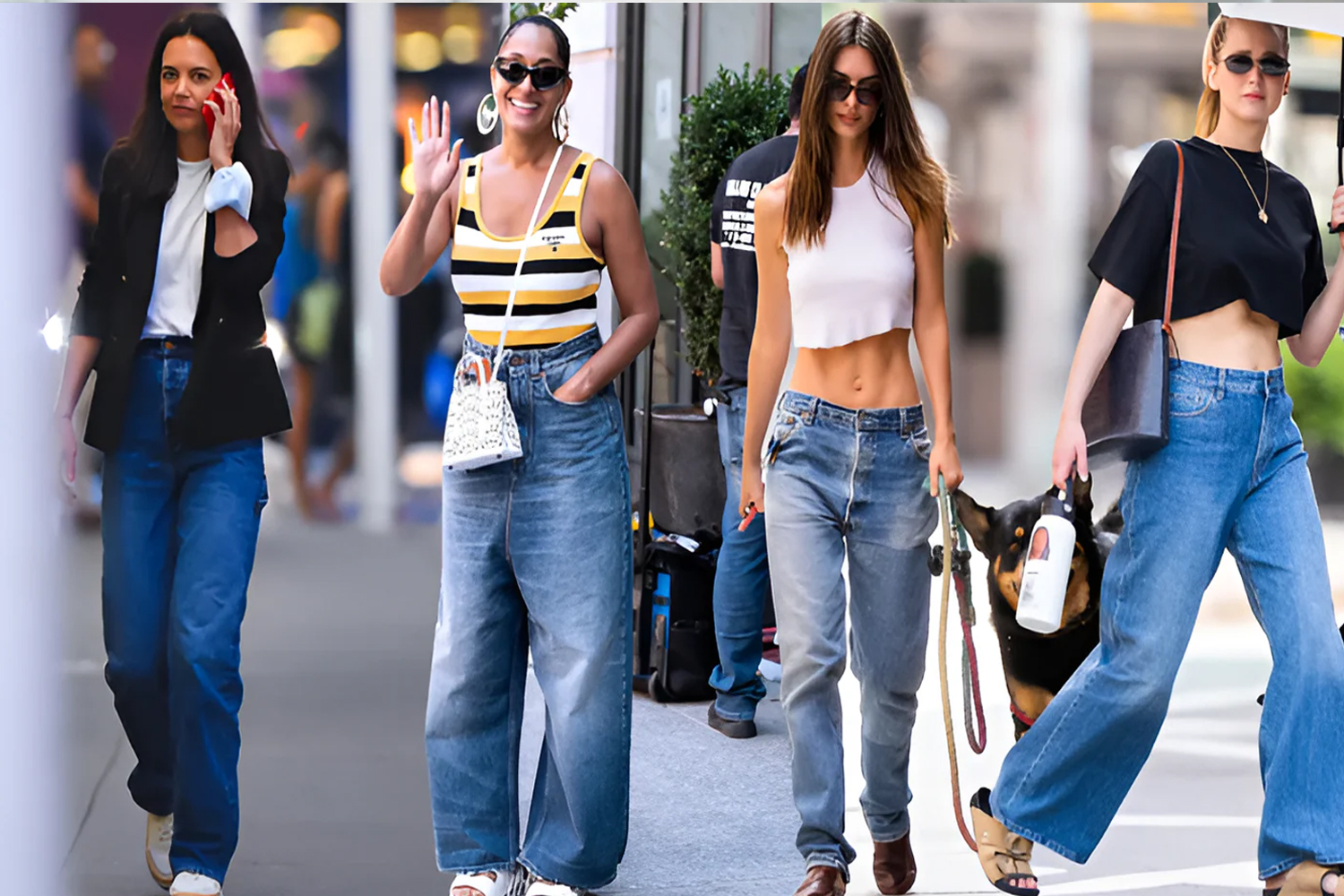


Fashion has always reflected the identity, culture and economic ambitions of societies. For generations, cities such as Paris, Milan, London and New York were regarded as the dominant centres of global fashion influence. Their designers, luxury houses, fashion weeks and retail institutions helped establish the industry’s international standards.
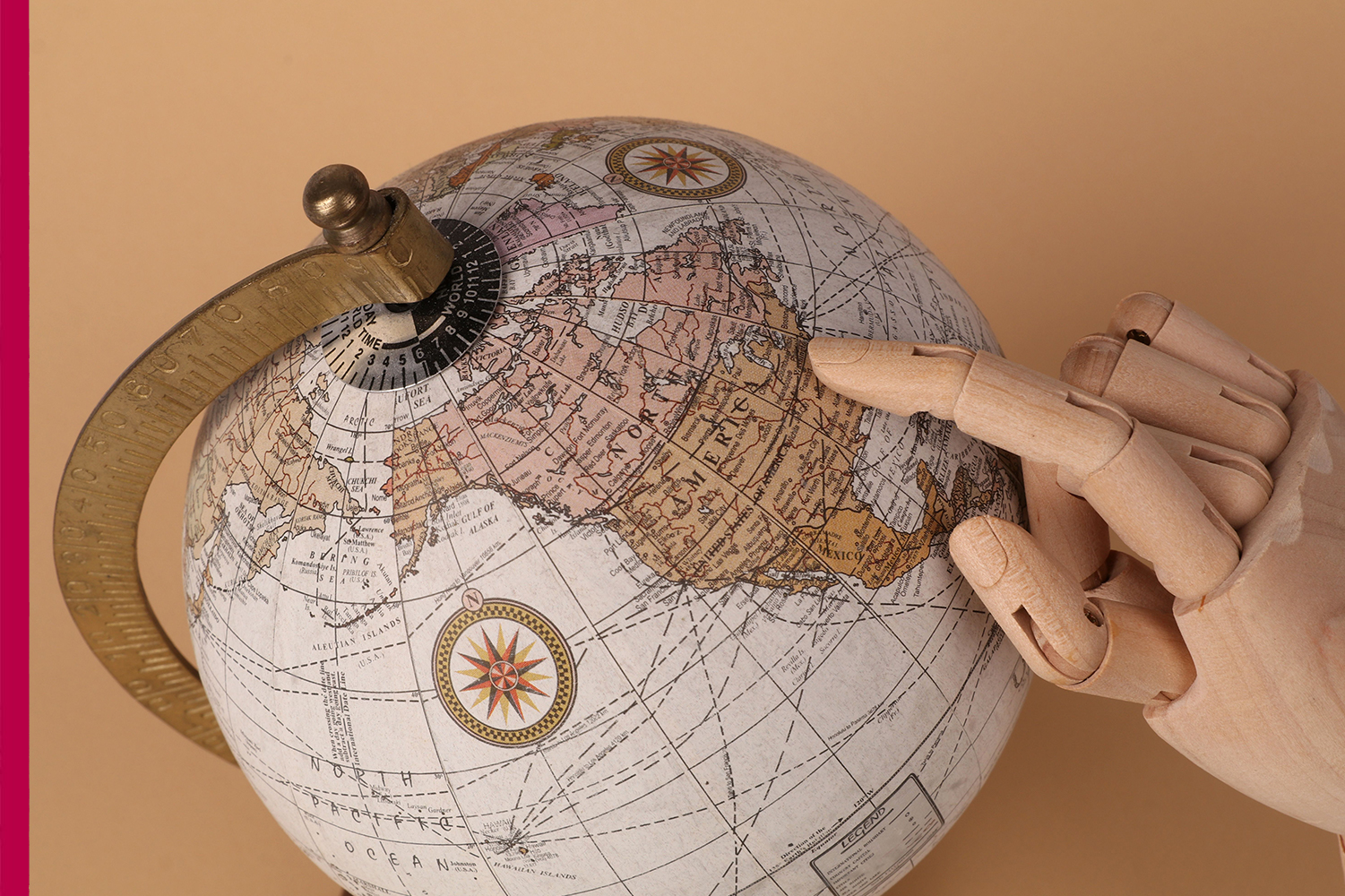
But the global fashion landscape is changing. New creative communities are emerging across Africa, Asia, the Middle East and Latin America, bringing different cultural perspectives, design traditions, materials, aesthetics and business models into the international marketplace.
The next generation of influential fashion brands may not emerge exclusively from traditional fashion capitals. Increasingly, designers from emerging markets are building global identities by combining heritage with contemporary design, craftsmanship with technology, and cultural storytelling with commercial ambition.
African Fashion Is Gaining International Attention
A recent feature published by Guardian Life on November 21 highlighted African fashion brands gaining global recognition and challenging established industry narratives.
Designers are using traditional textiles, contemporary silhouettes, streetwear, experimental materials and sustainable approaches to create distinctive identities. Some are transforming cultural traditions into modern luxury products, while others are developing innovative designs using discarded or unconventional materials.
The growing visibility of African fashion reflects a wider shift in global creative industries. Consumers are increasingly interested in the stories behind products—their cultural influences, craftsmanship, origins and the identities of the people who create them.
Fashion is becoming more than a visual product. It is also a form of cultural expression.
Designers who can communicate a compelling identity may differentiate themselves in a marketplace crowded with brands competing through similar silhouettes, marketing campaigns and seasonal collections.
The Rise of Fashion Beyond Traditional Capitals
The global fashion ecosystem is becoming more diverse.
Cities across Africa, India, South Korea, Japan, China, the Middle East and Southeast Asia are developing stronger creative industries, retail ecosystems and fashion communities.
These markets are not simply copying Western fashion trends. Many are developing their own aesthetics, combining traditional influences with contemporary lifestyles.
India, for example, has a vast textile heritage, regional craft traditions, embroidery, weaving, luxury craftsmanship and a rapidly evolving modern consumer market. Indian designers and brands increasingly have opportunities to translate these strengths into global fashion products.
South Korea has developed strong international influence through the connection between entertainment, beauty, streetwear, music and fashion. The global popularity of Korean entertainment has helped expose audiences to Korean brands and style identities.
African designers are similarly building international visibility by presenting fashion through cultural identity, craftsmanship and contemporary creativity.
The result is a fashion industry with more centres of influence than ever before.
Fashion Is Becoming a Cultural Business
The strongest modern fashion brands often operate at the intersection of design, culture, entertainment, lifestyle and community.
A brand may gain attention through a celebrity collaboration, music event, film appearance, social-media creator or cultural movement.
Consumers increasingly discover fashion through digital platforms rather than traditional advertising. Influencers, stylists, designers, creators and communities can shape demand faster than conventional marketing campaigns.
This creates opportunities for independent brands to reach international audiences without first building a large physical retail network.
However, digital visibility does not automatically produce sustainable success. Brands must also develop quality products, consistent design identities, reliable manufacturing, pricing strategies, customer service and distribution systems.
Luxury Is Expanding Into New Categories
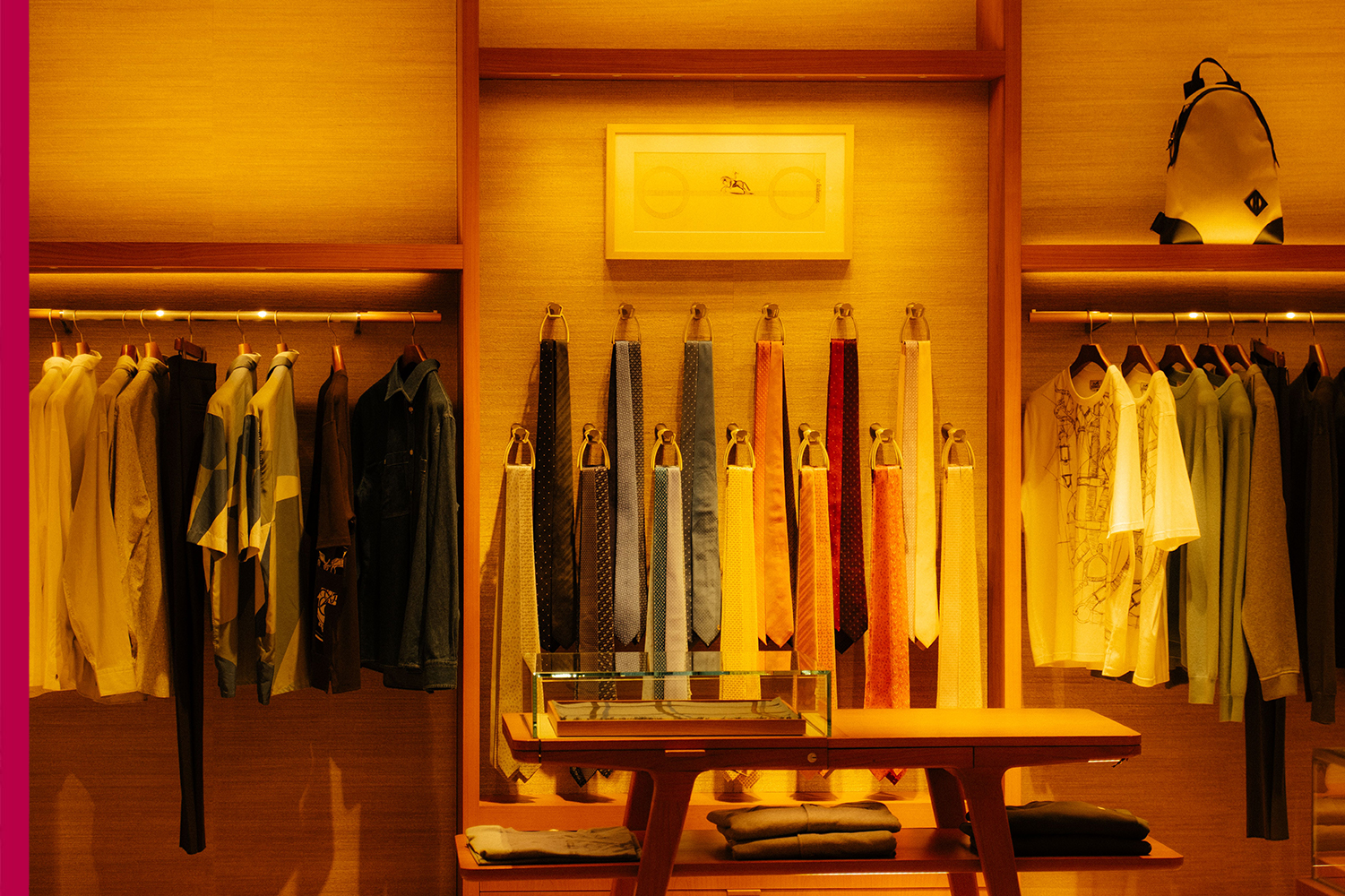
Fashion companies are increasingly exploring luxury, premium lifestyle products and specialised categories.
Luxury is not defined only by expensive materials. It can also involve craftsmanship, exclusivity, design, heritage, quality, service and emotional value.
The Indian market is particularly interesting because consumer aspirations are evolving. Growing wealth, international exposure, premium retail development and digital commerce are creating demand for new luxury experiences.
Fashion groups are expanding their portfolios through premium labels, partnerships, store concepts and investment in categories with stronger margins.
The challenge is balancing exclusivity with expansion. A brand that becomes too widely available may weaken its premium identity, while a brand that remains too restricted may struggle to build sustainable growth.
Technology Is Changing Fashion Design and Retail
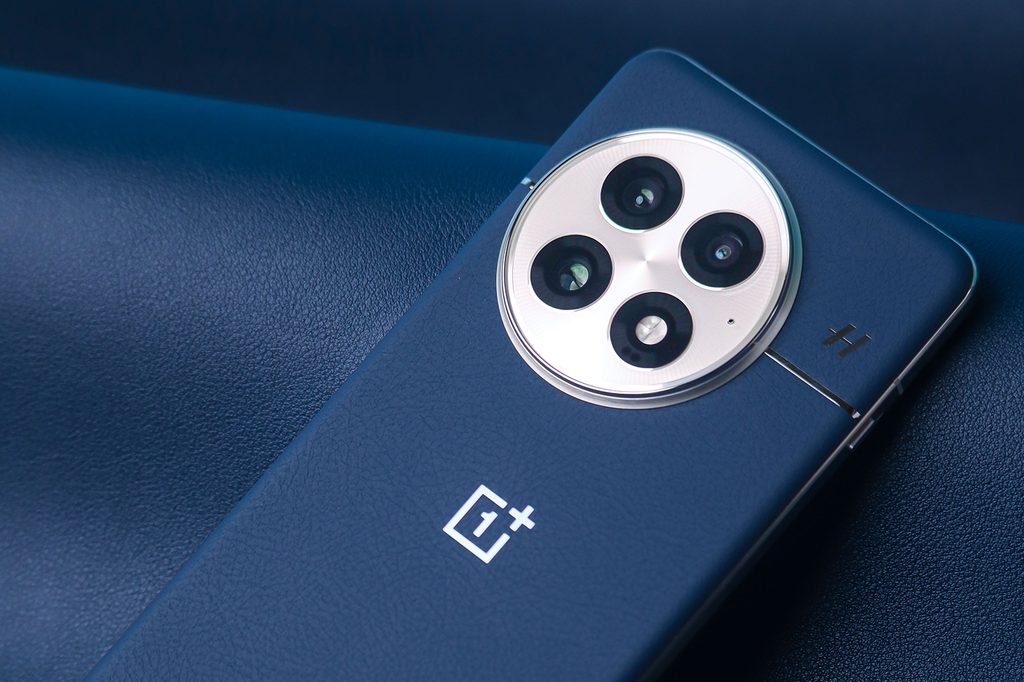
Artificial intelligence, digital design tools, virtual prototyping, predictive analytics and automated manufacturing are changing how fashion businesses operate.
Design teams can explore new concepts digitally, test product variations and reduce certain development processes before creating physical samples.
Retailers can analyse consumer behaviour, identify emerging trends, forecast demand and optimise inventory.
AI tools may help businesses understand what customers are searching for, which products are gaining traction and how collections should be adjusted.
But technology cannot replace the creative instinct that gives fashion its identity. Design still depends on imagination, cultural understanding, visual storytelling and the ability to recognise what people may want before it becomes a mainstream trend.
Sustainability Is Becoming a Business Question
The fashion industry’s environmental impact is increasingly influencing consumer expectations, regulation and corporate strategy.
Manufacturers and brands are examining material sourcing, waste, water consumption, chemical use, packaging, transport and product longevity.
Circular fashion, resale, repair, recycling and durable design are becoming increasingly relevant as businesses explore alternatives to the traditional model of producing and discarding garments.
The challenge is making sustainability commercially practical. Environmentally responsible products must be affordable, desirable, available and supported by credible supply chains.
Consumers may express interest in sustainable fashion, but their purchasing decisions are still influenced by price, convenience, quality and design.
The Future Belongs to Brands With Identity
Fashion’s next global leaders may be companies that understand culture as deeply as they understand commerce.
Brands that build authentic identities, support creative talent, embrace innovation and develop meaningful relationships with consumers may be able to compete internationally without relying exclusively on traditional fashion capitals.
The future of fashion is becoming more global, more connected and more culturally diverse.
As new designers and markets gain influence, the industry may discover that its next major creative revolution is coming from places it once overlooked.