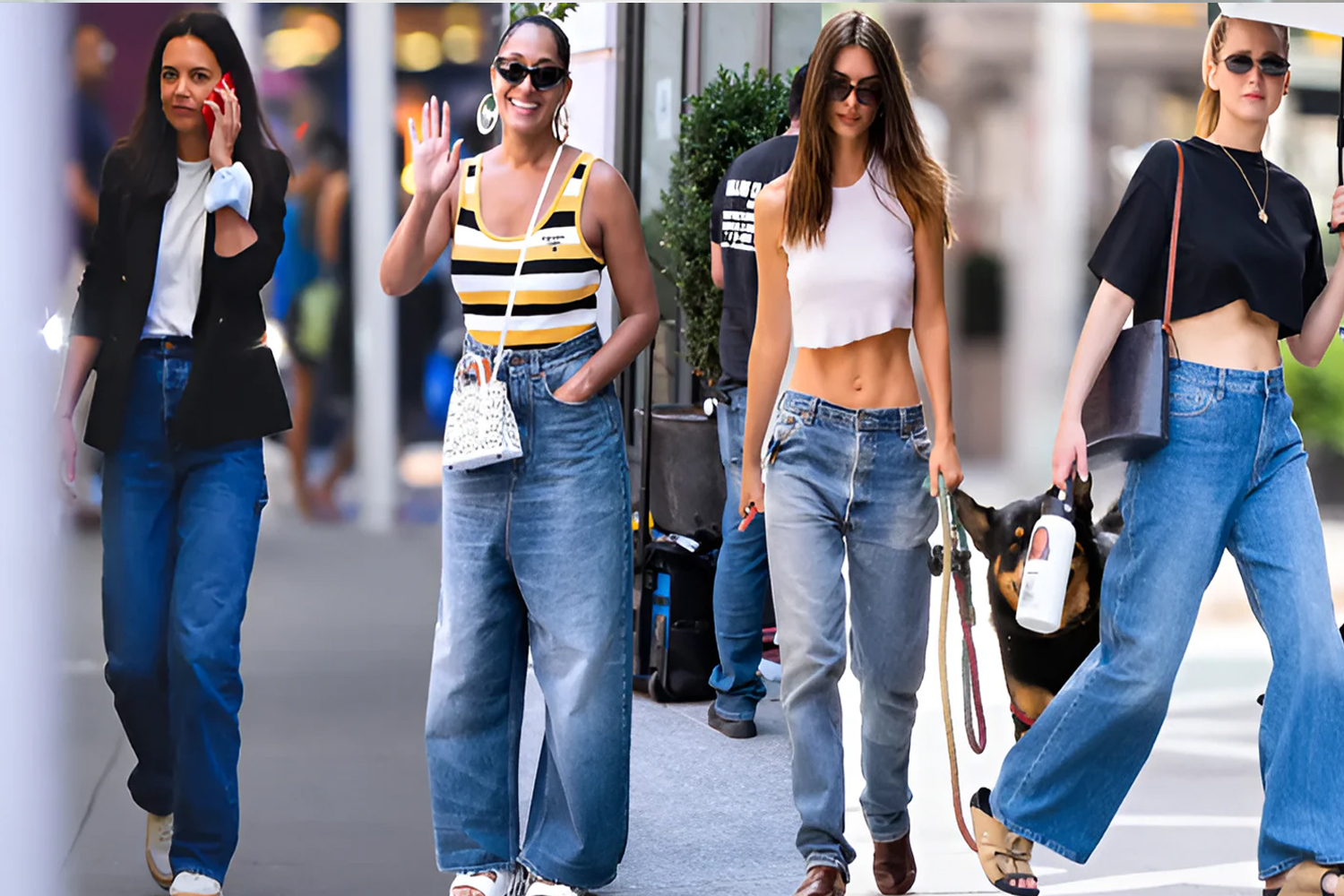




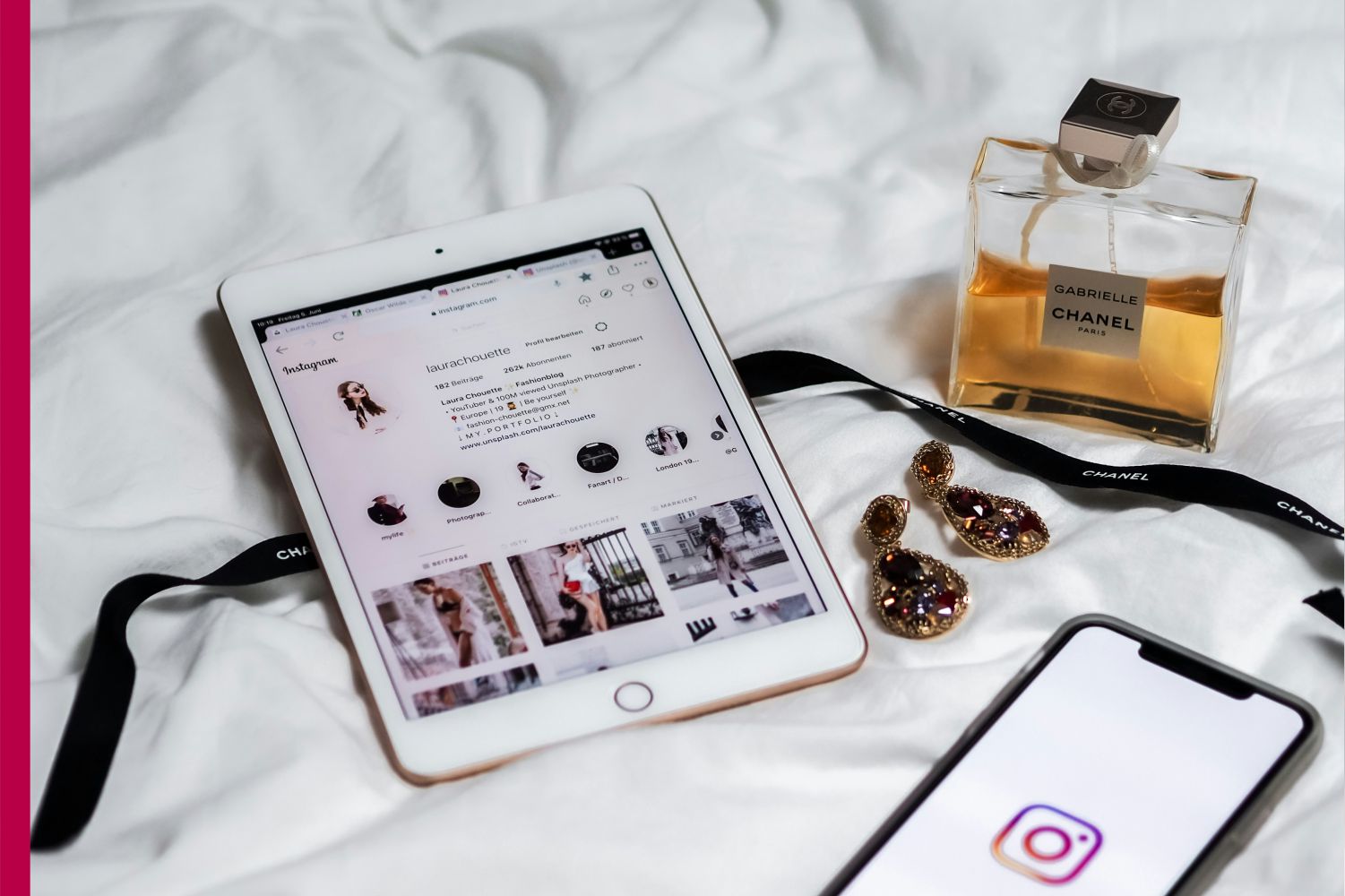
Fashion influencer marketing has become one of the most powerful strategies in the modern fashion industry. With the rapid growth of social media platforms, influencers now play a major role in shaping fashion trends, consumer preferences, and brand visibility. From luxury fashion houses to small clothing startups, brands increasingly collaborate with influencers to connect with audiences in more authentic and engaging ways.
Fashion influencers are individuals who build loyal online communities through content related to style, beauty, lifestyle, and personal branding. They share outfit ideas, product reviews, styling tips, fashion hauls, and trend updates across platforms such as Instagram, TikTok, YouTube, and Pinterest. Their influence comes from relatability, creativity, and direct engagement with followers, making them highly effective in promoting fashion products and trends.
One of the main reasons fashion influencer marketing has become so successful is authenticity. Traditional advertising often feels formal and promotional, while influencer content appears more personal and genuine. Followers trust influencers because they see them as relatable individuals rather than corporate brands. When influencers showcase clothing, accessories, or beauty products in their daily lives, audiences are more likely to feel connected and inspired to purchase similar items.
Social media platforms have significantly accelerated the growth of influencer marketing in fashion. Visual platforms such as Instagram and TikTok are especially effective for showcasing fashion trends through photos, short videos, live streams, and styling tutorials. Viral fashion trends can spread globally within hours, allowing brands to reach massive audiences quickly and efficiently.
Fashion brands increasingly work with different types of influencers depending on marketing goals. Celebrity influencers with millions of followers provide global exposure and prestige, while micro and nano influencers often generate higher engagement within niche communities. Smaller influencers are particularly valuable because their followers tend to trust their recommendations more closely. This has created opportunities for fashion businesses of all sizes to use influencer marketing effectively.
Another important trend is the rise of sustainable and ethical fashion influencers. Modern consumers are becoming more aware of environmental issues, labor practices, and fast fashion concerns. Influencers promoting eco-friendly brands, second-hand fashion, and sustainable styling are helping shape more responsible consumer behavior. This shift is encouraging brands to adopt transparent and ethical production practices.
Fashion influencer marketing also supports e-commerce growth. Influencers often provide direct shopping links, discount codes, and product recommendations that simplify online purchasing. Livestream shopping and interactive social commerce features are becoming increasingly popular, turning influencers into powerful digital sales channels.
Technology and analytics play a crucial role in influencer marketing strategies. Brands use engagement data, audience demographics, and performance tracking tools to measure campaign effectiveness. Artificial Intelligence (AI) and social media algorithms help identify suitable influencers and optimize content for better visibility and audience reach.
Despite its advantages, fashion influencer marketing also faces challenges. Fake followers, over-commercialization, misleading promotions, and unrealistic beauty standards can reduce audience trust. Consumers increasingly expect transparency and authenticity from influencers and brands alike. Regulations regarding sponsored content disclosure are also becoming stricter in many countries.
In conclusion, fashion influencer marketing has transformed the way fashion brands communicate with consumers. By combining creativity, social media reach, and authentic engagement, influencers have become key drivers of modern fashion culture and digital commerce. As technology and consumer behavior continue to evolve, influencer marketing will remain a major force shaping the future of the fashion industry.