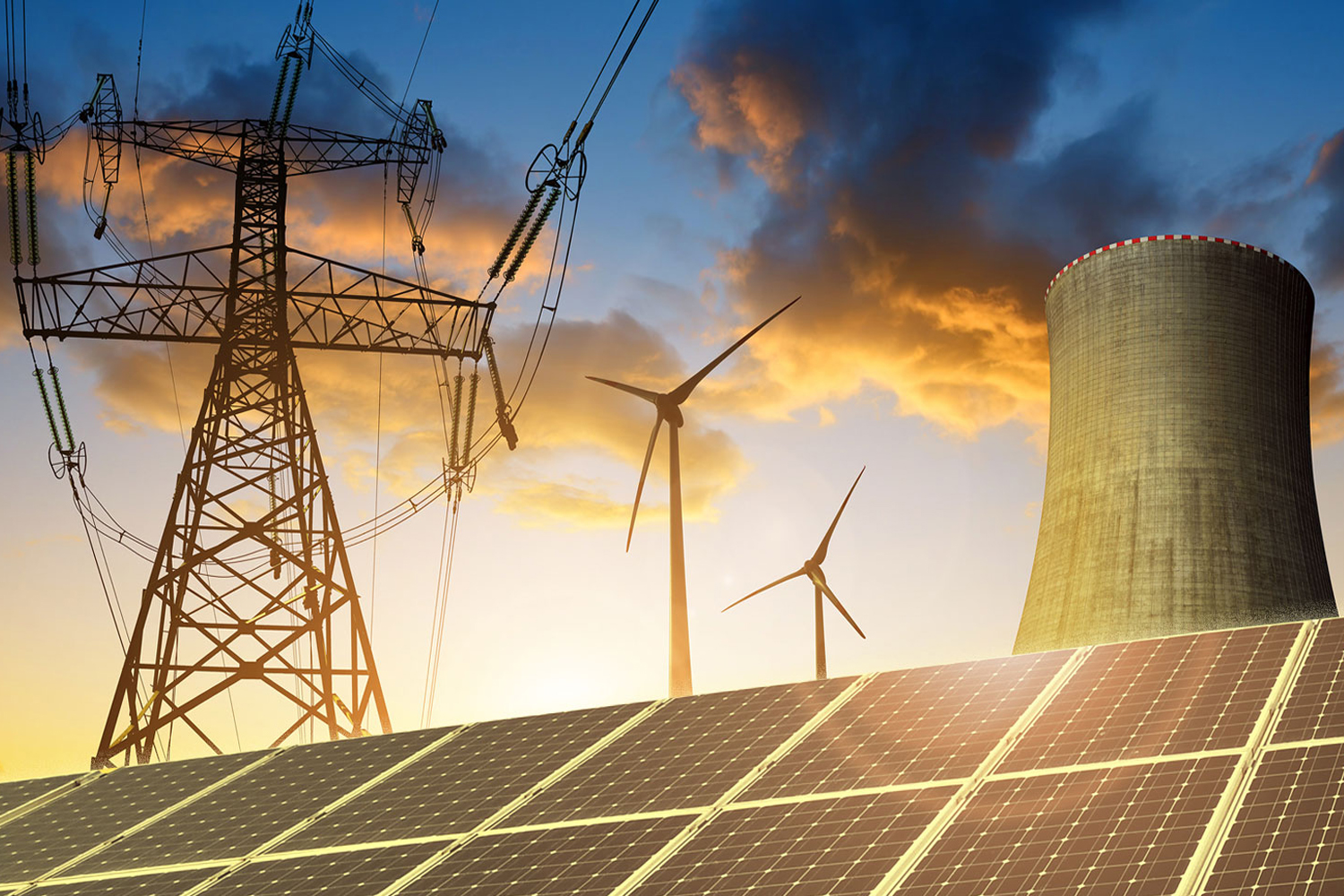
Solar power has emerged as one of the most important sources of renewable energy, offering a cleaner alternative to conventional fossil-fuel-based electricity generation. By converting sunlight into usable electricity or heat, solar energy provides a widely available resource that can support homes, businesses, industries, and communities. Growing concerns about climate change, energy security, and rising energy demand are accelerating investment in solar technologies around the world.
Solar photovoltaic (PV) technology is one of the most common methods of generating solar electricity. Solar panels contain photovoltaic cells that convert sunlight directly into electrical energy. These systems can be installed on residential rooftops, commercial buildings, industrial facilities, and large utility-scale solar farms. Their modular nature allows solar installations to range from small household systems to large power-generation projects.
One of the major advantages of solar power is its renewable nature. Unlike coal, oil, and natural gas, sunlight is continuously replenished and does not require fuel extraction for electricity generation. Solar power generation also produces no direct greenhouse gas emissions during operation. This makes it an important component of strategies aimed at reducing emissions from the electricity sector.
The cost of solar technology has declined significantly over the years, making solar energy increasingly accessible. Improvements in manufacturing processes, panel efficiency, installation methods, and supply chains have contributed to lower project costs in many markets. As solar systems become more affordable, households and businesses can consider generating part of their own electricity while reducing dependence on conventional grid power.
Energy storage is playing an increasingly important role in solar power development. Solar generation depends on sunlight and therefore varies throughout the day and across weather conditions. Battery storage systems can store excess electricity generated during periods of strong sunlight and release it when solar production falls. Combining solar panels with batteries can improve energy reliability and help users make better use of their generated electricity.
Solar power is also contributing to rural and remote electrification. In areas where extending conventional electricity grids is expensive or difficult, standalone solar systems and solar-powered microgrids can provide electricity for homes, schools, healthcare facilities, agricultural operations, and small businesses. Access to reliable electricity can support education, communication, refrigeration, irrigation, and local economic activity.
Agriculture is another sector where solar energy is creating new opportunities. Solar-powered irrigation systems can provide farmers with electricity for water pumps while reducing dependence on diesel fuel. Agrivoltaic systems combine agricultural production with solar panels, allowing land to support both farming and electricity generation under suitable conditions.
Commercial and industrial organizations are increasingly adopting solar power to manage energy costs and improve sustainability. Large buildings and manufacturing facilities often have substantial electricity requirements, making rooftop solar and utility-scale renewable energy contracts attractive options. Businesses may also use solar adoption as part of broader environmental and sustainability strategies.
Solar technology continues to advance. Researchers and manufacturers are developing more efficient photovoltaic materials, improved panel designs, flexible solar technologies, and new approaches to solar energy generation. Emerging technologies such as perovskite solar cells have attracted attention for their potential efficiency and manufacturing advantages, although further development is required for widespread commercial use.

Despite its benefits, solar power faces several challenges. Solar generation is dependent on weather and daylight, requiring appropriate energy storage, grid management, or complementary energy sources. Land requirements can also become a consideration for large solar farms. In addition, manufacturing and disposal of solar panels involve materials and industrial processes that require responsible management and recycling systems.
Grid infrastructure must also evolve as solar power becomes a larger part of electricity systems. Modern grids need to manage variable renewable generation, distributed rooftop systems, energy storage, and changing patterns of electricity demand. Digital monitoring, smart grids, and improved transmission infrastructure can support this transition.
Looking ahead, solar power is expected to become an increasingly important part of global energy systems. Greater integration with batteries, electric vehicles, smart grids, and other renewable energy sources could create more flexible and resilient electricity networks.
In conclusion, solar power offers a powerful opportunity to meet growing energy demand while supporting the transition toward cleaner electricity. Advances in photovoltaic technology, energy storage, grid infrastructure, and solar applications are expanding its potential across residential, commercial, industrial, and agricultural sectors. As investment and innovation continue, solar energy will remain a key pillar of the global shift toward a more sustainable and secure energy future.