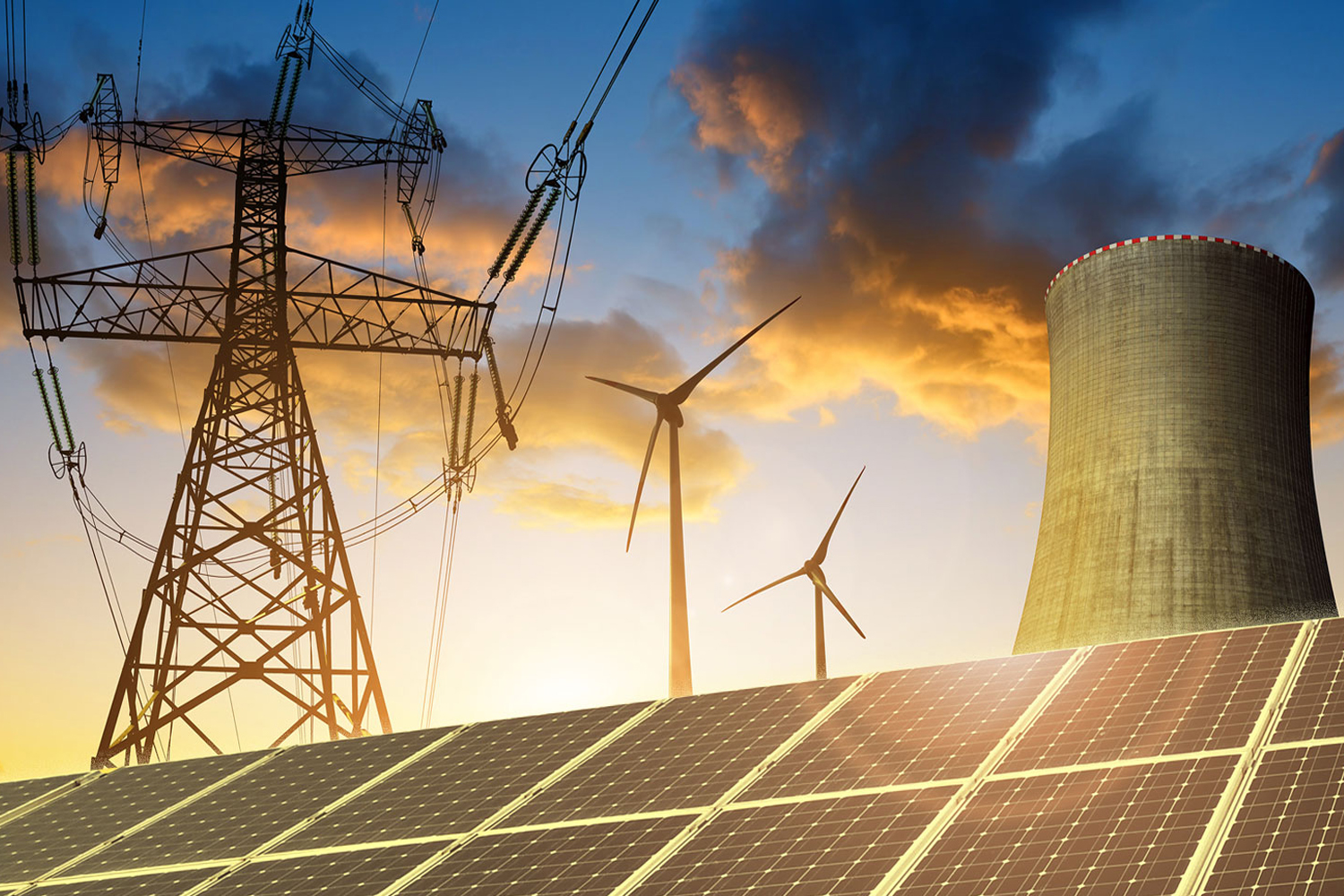




The global energy industry is facing two major developments at the same time. Oil supply is recovering after months of disruption, while investment in renewable energy continues to accelerate as countries seek greater energy independence.
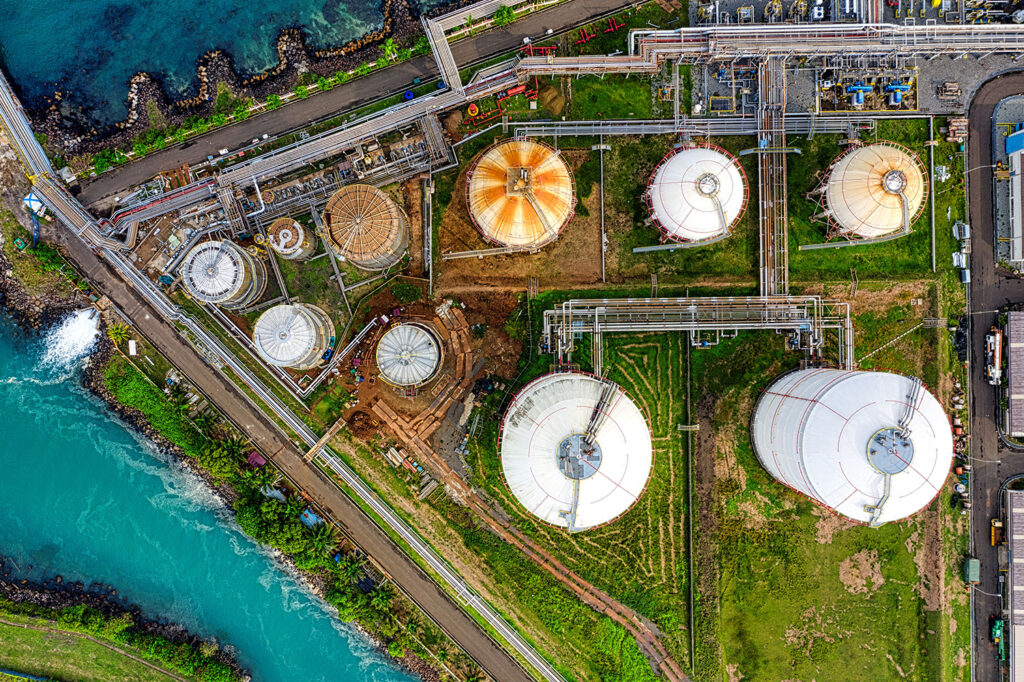
The International Energy Agency’s November Oil Market Report, published on November 13, 2026, recorded a sharp increase in global oil supply. Production rose by 2.3 million barrels per day in October to reach 105.4 million barrels per day, following a further increase in September.
The recovery was supported by higher exports from Gulf producers, even as attacks on energy infrastructure and shipping continued to create uncertainty.
The IEA said the market was showing early signs of rebalancing, with global supply exceeding demand for the first time since the outbreak of the war in Iran. It forecast that the market could return to a surplus in the fourth quarter of 2026, with a more substantial surplus expected in 2027.
The report also highlighted a major movement in oil prices. North Sea Dated crude fell by 32% from its early-October peak of around $136 per barrel to approximately $93 at the time of the report. However, diesel supply remained a concern, with prices still substantially above pre-war levels.
This matters because energy prices influence almost every part of the economy. Fuel costs affect transport, manufacturing, aviation, agriculture and household spending. Even when crude prices decline, consumers may not experience immediate relief if refined-product supplies and shipping costs remain under pressure.
At the same time, renewable energy is becoming an increasingly important part of national energy strategies.
The IEA’s Renewables 2026 report forecasts that global renewable power capacity could increase by almost 4,800 gigawatts between 2026 and 2031. Solar power is expected to account for more than three-quarters of that expansion, followed by onshore wind.
Energy security is a major reason behind this growth. Countries want to reduce exposure to imported fuels and international price shocks by developing domestic sources of electricity.
India is also emerging as a major player in this transition. The IEA reported that India’s renewable capacity surpassed 300 gigawatts in 2026 and that renewable electricity helped avoid more than $100 billion in coal and natural-gas import costs between 2011 and 2025.
However, renewable expansion brings its own challenges. Electricity grids, battery storage and transmission infrastructure must grow quickly enough to support increasing solar and wind generation.
The global energy transition is therefore not simply about replacing fossil fuels. It is about building a more diversified system that can provide reliable, affordable electricity while managing geopolitical and environmental risks.
The companies and countries that combine energy security, infrastructure investment and technological innovation may shape the next era of the global energy market.