



Fossil fuels such as coal, oil, and natural gas have long been the backbone of global energy systems. They have powered industries, transportation, and economic growth for decades. However, heavy reliance on these non-renewable resources has created significant environmental, economic, and geopolitical challenges. As the world moves toward a more sustainable future, addressing fossil fuel dependency has become a critical priority.
One of the most pressing challenges of fossil fuel dependency is environmental impact. Burning fossil fuels releases large amounts of greenhouse gases, contributing to Climate Change. Rising global temperatures, extreme weather events, and melting ice caps are direct consequences of these emissions. Additionally, air pollution caused by fossil fuels leads to serious health issues, including respiratory diseases and reduced life expectancy.
Another major concern is the finite nature of fossil fuel resources. Unlike renewable energy sources, fossil fuels are limited and will eventually be depleted. As reserves decline, extraction becomes more difficult and expensive, leading to increased energy costs. This scarcity poses a long-term risk to energy security and economic stability.
Economic dependency on fossil fuels also creates vulnerabilities. Fluctuations in global oil and gas prices can significantly impact national economies, especially those heavily reliant on imports. Countries like India, which import a large portion of their energy needs, are particularly affected by price volatility. This can lead to inflation, increased production costs, and financial instability.
Geopolitical tensions are another challenge associated with fossil fuel dependency. Control over oil and gas reserves often leads to conflicts and power struggles between nations. Energy security becomes a strategic concern, influencing international relations and policy decisions. Diversifying energy sources is essential to reduce reliance on geopolitically sensitive regions.
Infrastructure and technological limitations also play a role in sustaining fossil fuel dependency. Many industries and transportation systems are built around fossil fuel usage, making the transition to alternative energy sources complex and costly. Upgrading infrastructure and adopting new technologies require significant investment and long-term planning.
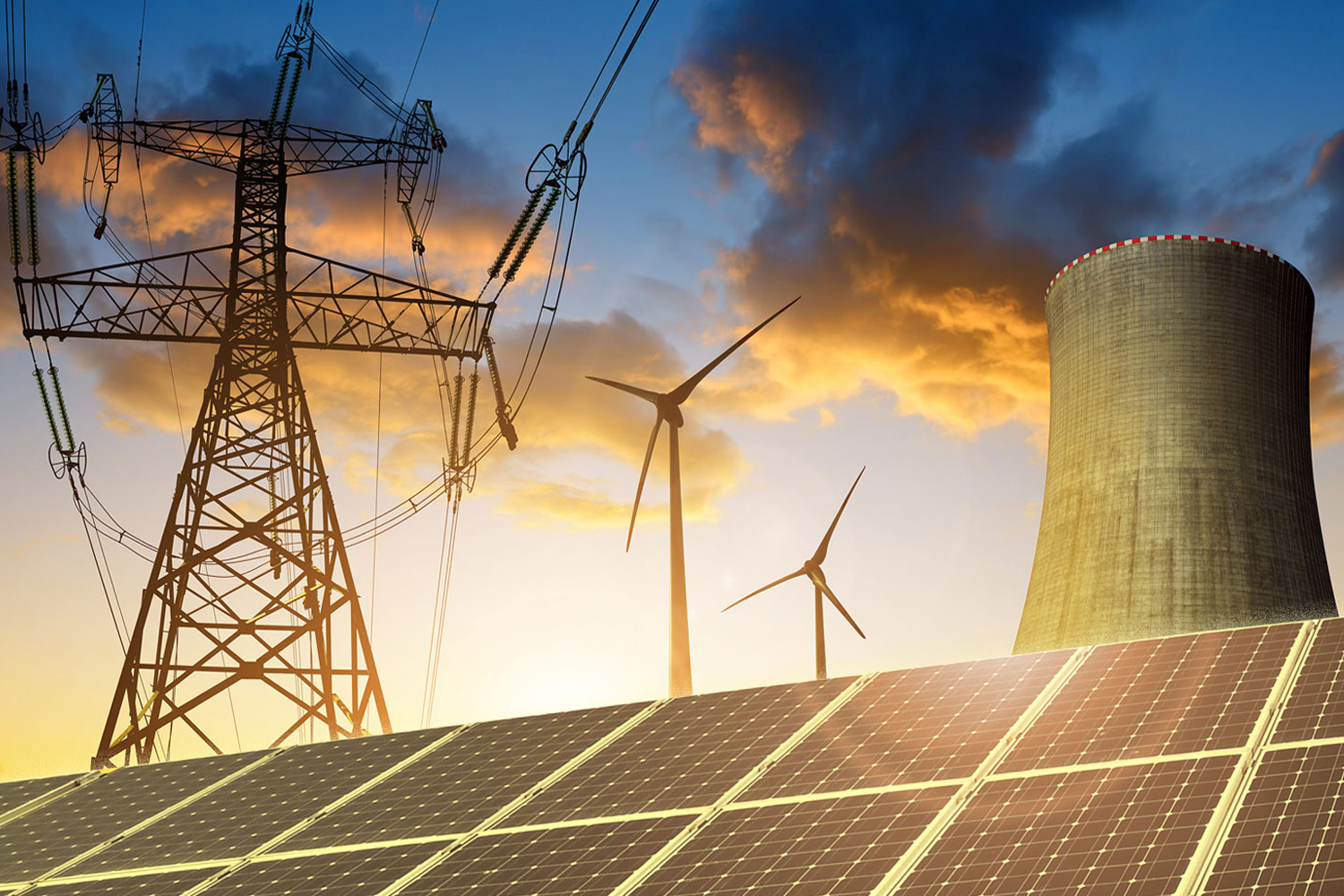
Despite these challenges, the shift toward renewable energy is gaining momentum. Solar, wind, and hydroelectric power offer cleaner and more sustainable alternatives. Governments and organizations worldwide are investing in renewable energy projects to reduce carbon emissions and promote energy independence. This transition is essential for addressing environmental concerns and ensuring long-term sustainability.
Energy efficiency is another important strategy in reducing fossil fuel dependency. By optimizing energy usage in industries, buildings, and transportation, it is possible to lower overall demand. Technologies such as smart grids, energy-efficient appliances, and electric vehicles are contributing to this effort.

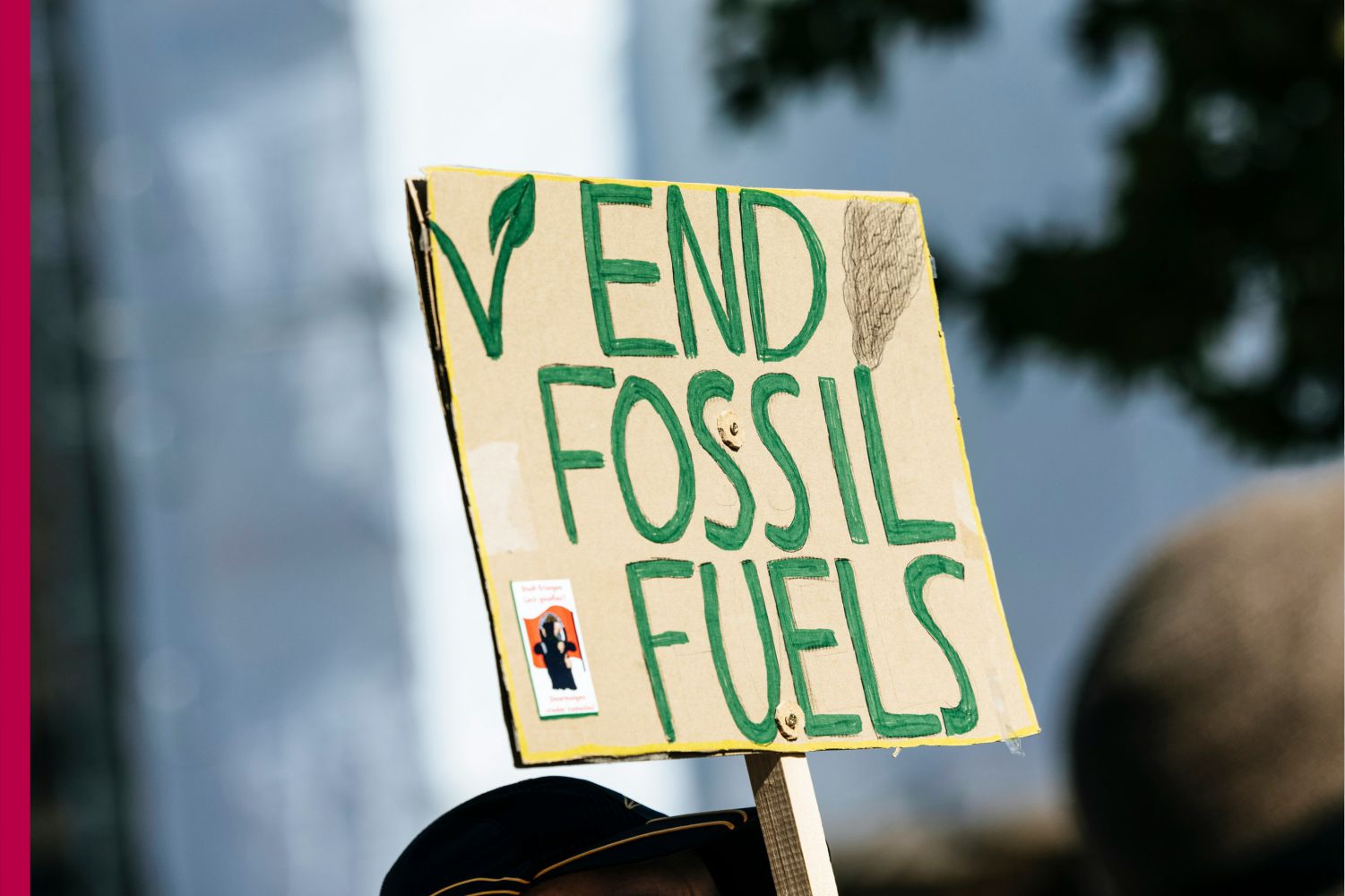
Public awareness and policy support are crucial for driving change. Governments are implementing regulations, incentives, and subsidies to encourage the adoption of clean energy. International agreements and climate goals are also pushing countries to reduce their reliance on fossil fuels and transition to greener alternatives.
However, the transition is not without challenges. Renewable energy sources can be intermittent, requiring reliable storage solutions and grid management. Additionally, the economic impact on industries and workers dependent on fossil fuels must be carefully managed to ensure a just transition.
Innovation and research are key to overcoming these obstacles. Advances in energy storage, hydrogen fuel, and carbon capture technologies are expected to play a significant role in reducing fossil fuel dependency. Collaboration between governments, industries, and researchers will be essential to accelerate progress.
In conclusion, fossil fuel dependency presents a range of challenges that affect the environment, economy, and global stability. While the transition to sustainable energy is complex, it is necessary for a healthier and more secure future. By investing in renewable energy, improving efficiency, and fostering innovation, the world can move toward a more sustainable and resilient energy system.