



Online shopping is entering a new competitive phase. For years, e-commerce platforms have competed through product prices, delivery speed, customer reviews and advertising. Now, artificial intelligence is creating another battleground: who controls the information shoppers use to decide what to buy?
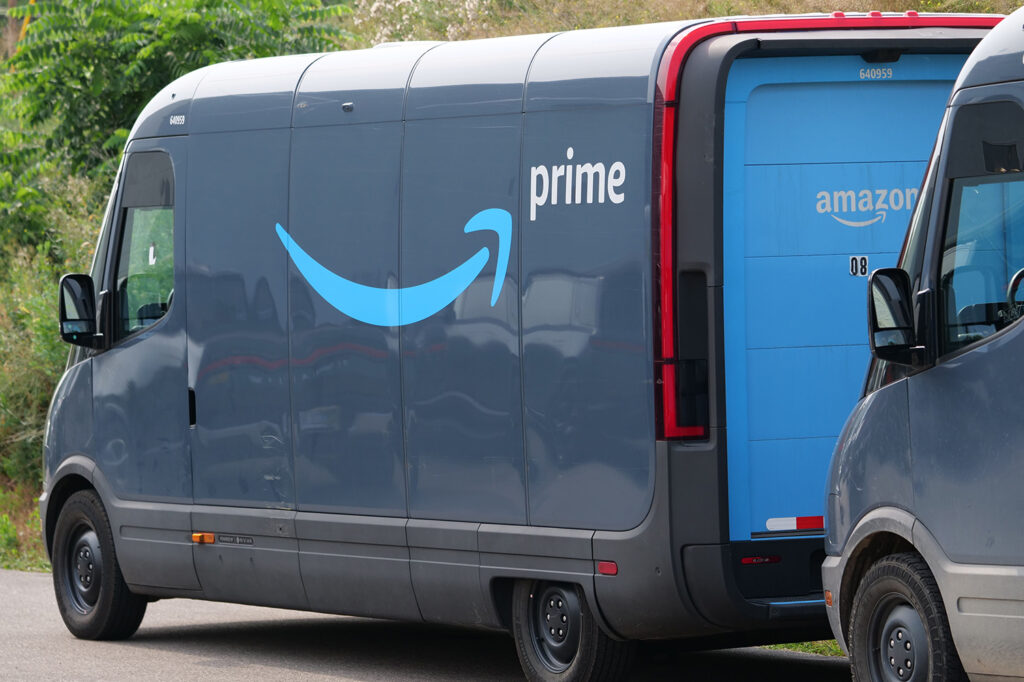
A Reuters investigation published on November 13, 2026, revealed that Amazon has been exploring an initiative called World Product Graph. According to an internal planning document reviewed by Reuters, the proposed project would create a vast database covering products sold around the world, including items that Amazon does not itself stock.
The idea is ambitious. Instead of limiting product information to its own marketplace, Amazon could combine data supplied by brands with information gathered from other retailers’ websites. This could help shoppers compare models, understand product relationships, identify newer versions and find products that match their needs.
The initiative is closely connected to the rise of AI shopping agents. These systems are designed to help consumers research products, compare alternatives and potentially complete purchases with less manual browsing.
Amazon has already been developing its own AI shopping assistant, previously known as Rufus and now called Alexa for Shopping. A more comprehensive product database could improve the information available to that assistant and help customers make decisions without leaving Amazon.
It could also protect the company’s position against competing AI platforms that direct shoppers to different retailers. If consumers increasingly rely on AI agents instead of visiting individual shopping websites, control over accurate product information could become a major commercial advantage.
The proposal reportedly includes participation from major brands such as Coca-Cola and Bayer, alongside a trial involving Procter & Gamble. However, Reuters could not establish whether or when the initiative would launch. Amazon described the document as outdated and said it did not necessarily represent its current plans.
The development raises important questions for the wider retail industry. Smaller retailers may face stronger competition if large platforms become the primary destination for product discovery. Brands may also need to rethink how they organise, maintain and distribute product information across digital channels.
For consumers, the potential benefits include easier comparisons and more personalised recommendations. But accuracy, transparency and data permissions will matter. Shoppers must be able to understand why a product is recommended and whether commercial relationships influence the results.
The next generation of e-commerce may not be defined simply by who has the largest warehouse or fastest delivery network. It may be defined by who provides the most useful information at the exact moment a customer is ready to buy.